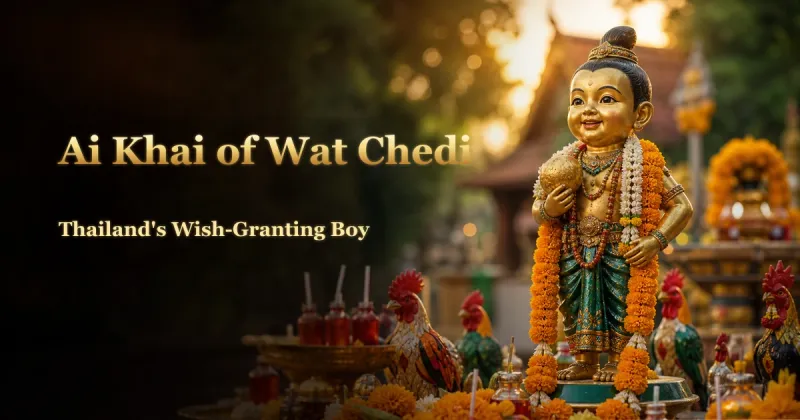
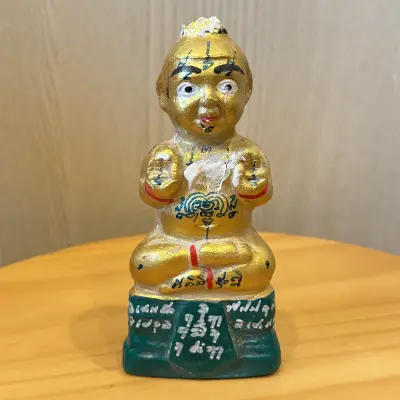
At a temple in Sichon district, Nakhon Si Thammarat, firecrackers thunder from morning to evening — each volley a thank-you note. This is Wat Chedi, home of Ai Khai (Thai: ไอ้ไข่, affectionately "Egg Boy"), the spirit of a temple boy said to grant wishes with startling reliability: lottery numbers, business turnarounds, lost things found. In the past decade he has become southern Thailand's biggest devotional phenomenon, drawing millions of pilgrims a year. Behind the noise is one of the most touching legends in Thai folk religion.
The legend: the boy who kept his promise
Tradition holds that Ai Khai was a boy of nine or ten who served the great southern monk Luang Pu Thuad on his journey north toward Ayutthaya in the seventeenth century. Stopping at the site of today's Wat Chedi, Luang Pu Thuad sensed the place's future sanctity and told the boy: stay, guard this ground, for it will one day shine as a center of the Dhamma. The boy promised.
When he later sensed his master returning — and feared being taken along, which would break his vow — the boy walked into the temple pond and gave up his life, binding his spirit to the temple forever. Devotees believe he has stood watch ever since: a child guardian who takes promises absolutely literally, and expects the same of those who petition him.
Making a wish — and paying the debt
The Ai Khai custom is transactional in the most cheerful way. State your wish plainly before his statue, name what you will offer when it is granted, and deliver exactly that. The traditional repayments are a boy's delights:
- Firecrackers — the signature offering; grateful devotees commission strings by the tens of thousands, and online proxy services will set off millions of rounds for big vows fulfilled.
- Rooster figurines — the temple grounds hold armies of them, from palm-size to larger than life.
- Boyish gear — camouflage uniforms, dark glasses, slingshots, toys, and red soft drinks.
The unwritten rule every Thai devotee repeats: do not promise Ai Khai what you will not deliver. The boy kept his vow to the death; he is particular about yours.
Ai Khai amulets
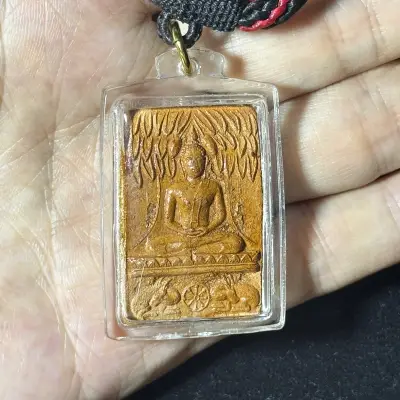
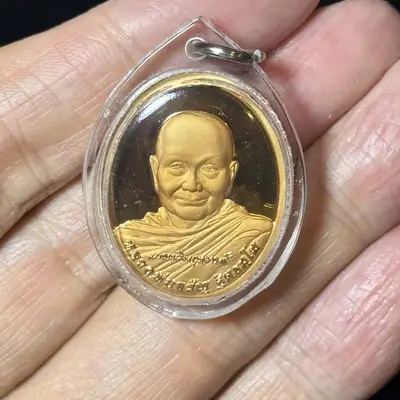
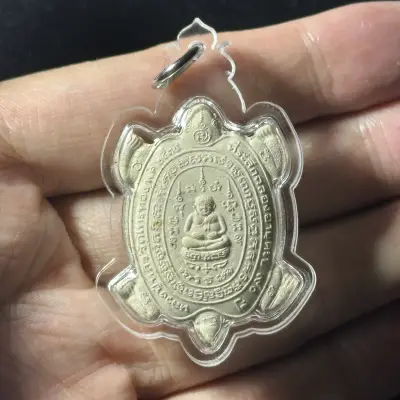
Wat Chedi issues Ai Khai amulets and statuettes in documented editions — the boy's figure, often with slingshot — petitioned for windfall luck, business popularity, protection of premises, and finding what is lost. Demand has predictably attracted mass-market copies: as with the Kumanthong (a related but distinct child-spirit tradition), provenance is everything — insist on temple editions with named years. The general rules in buying Thai amulets online safely apply doubly to spirit-figure pieces.
Visiting Wat Chedi
The temple sits in Sichon district, Nakhon Si Thammarat province, about an hour north of Nakhon Si Thammarat city and ninety minutes south of Surat Thani airport by car. Go in the morning to watch the offering rhythm at full tilt; the firecracker pavilion runs all day. Dress modestly as at any Thai temple, and treat the pond — the heart of the legend — with particular respect. The province rewards a longer stay: it is also the homeland of the Jatukam Ramathep tradition at Wat Phra Mahathat.
How Ai Khai differs from the Kumanthong
Both are child spirits, but the logic differs: the Kumanthong is a spirit child adopted into a household and nurtured; Ai Khai stays at his temple — you visit him, petition him, and repay him there. One is a family member, the other a famously effective local official. Wearing his amulet keeps the connection; the debt is still settled at Wat Chedi.
FAQ
Q: Can foreigners petition Ai Khai?
A: Yes — the temple welcomes everyone, and the transactional custom crosses language barriers easily. State the wish, name the offering, deliver on it.
Q: Do I have to return to the temple to repay a wish?
A: Ideally yes; practically, proxy offering services exist precisely for distant devotees — temple-side vendors will fire the crackers on your behalf.
Q: Is Ai Khai worship Buddhist?
A: It is Thai folk religion woven into a Buddhist temple — a guardian-spirit cult under the Dhamma's roof, like much of Thai devotional life. Monks at Wat Chedi conduct the formal ceremonies.
Q: What is Ai Khai best petitioned for?
A: Folk consensus: lottery and windfall luck, business popularity, finding lost things, and protecting premises — concrete, deliverable requests suit his legend best.
Last updated: July 2026 | By the Merit Messenger team, based in Bangkok
Interested in temple-documented Ai Khai pieces or southern Thai amulets? Browse our collection or contact us.