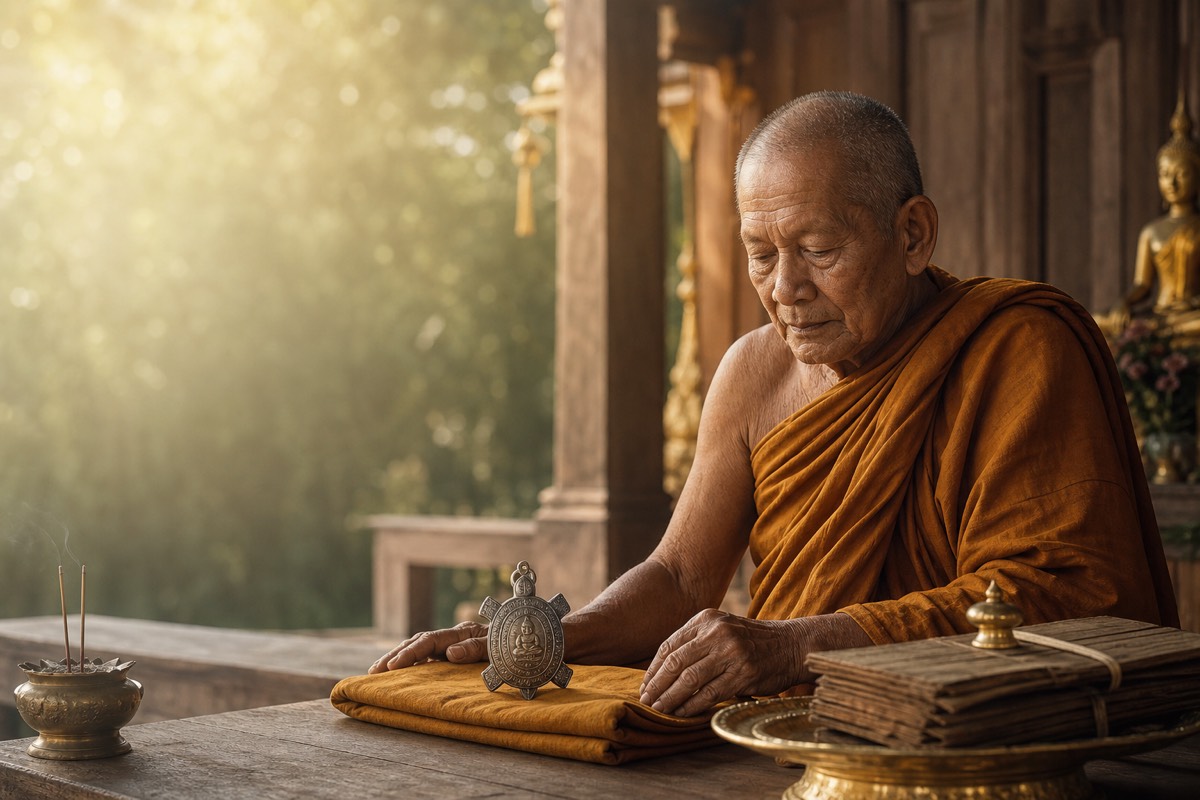
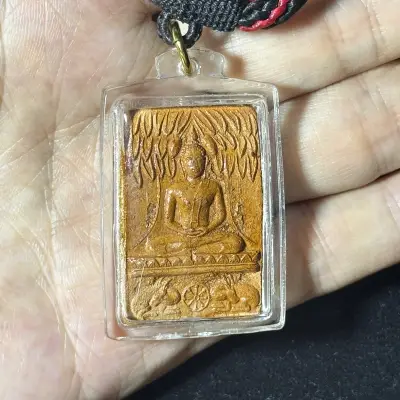
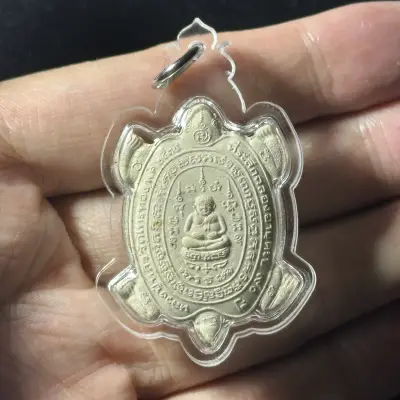
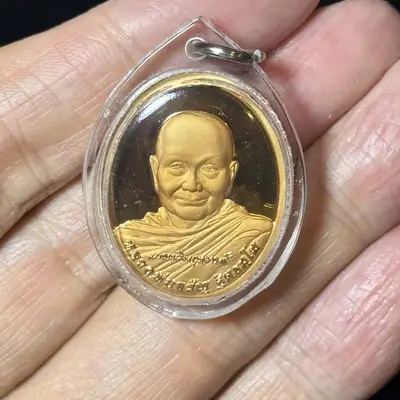
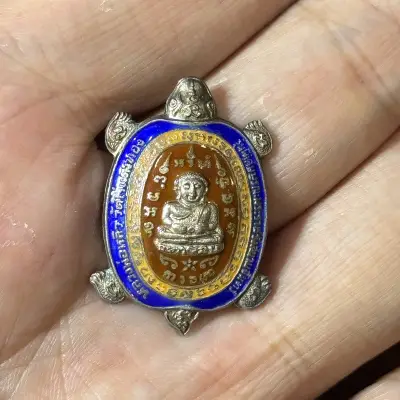
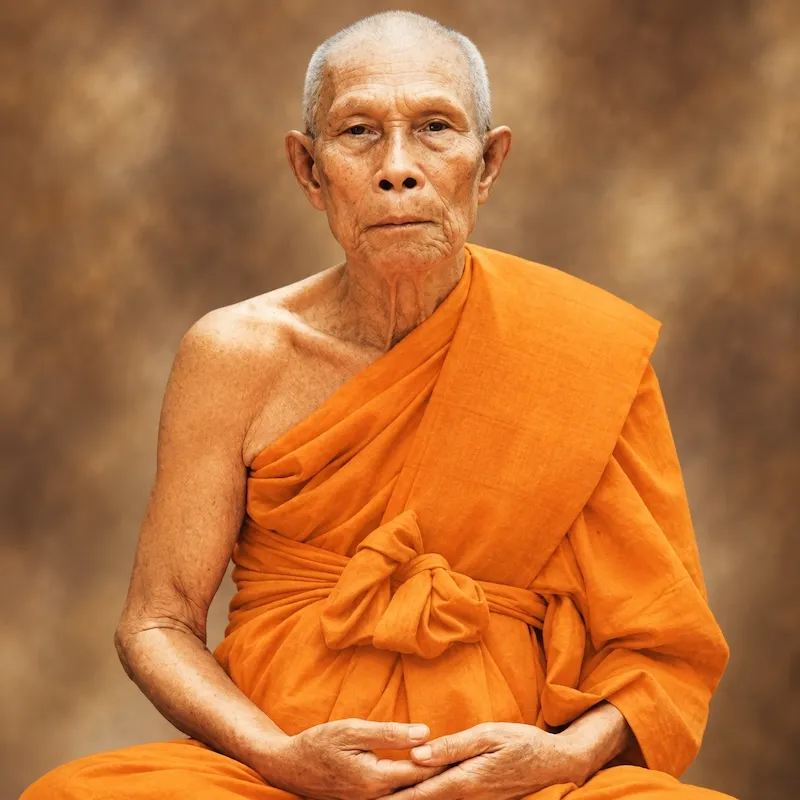
Luang Pu Liew was a revered Thai Buddhist monk known for his Wealth Turtle amulets. Learn why collectors still respect his legacy, his life of humility and practice, and why his Phaya Tao Ruean amulets remain among the most recognized in Thailand.
A Life Rooted in Humility and Practice
Luang Pu Liew did not seek fame. He came from humble beginnings, entered the monkhood, and devoted the rest of his life entirely to Buddhist practice and service.
Over 74 years as a monk, he became the chief abbot of Wat Rai Taeng Thong in Nakhon Pathom Province — a temple he helped build and nurture into a functioning center of Buddhist life. He served both the Sangha (monastic community) and the lay community with equal dedication: teaching the Dhamma, guiding practitioners, and overseeing the construction and maintenance of temple buildings for generations of devotees.
What distinguished him was not ceremony or spectacle, but consistency. He practiced what he taught. His students and followers remember him as a monk who embodied the qualities he spoke about: patience, steadiness, compassion, and discipline.
Why the Wealth Turtle? The Symbolism Behind the Amulet
The turtle — Phaya Tao Ruean in Thai — is one of the most powerful symbols in Thai Buddhist culture. It represents:
Longevity — the turtle lives long and moves with purpose
Patience and steadiness — slow, deliberate, never rushed
Protection — the shell as a shield against harm
Gradual, lasting prosperity — wealth that accumulates steadily, not recklessly
In a Buddhist context, the turtle also carries a deeper message: true abundance comes from merit, discipline, and calm effort — not from luck alone.
Luang Pu Liew's Wealth Turtle amulets distilled this symbolism into a sacred object. Each piece was blessed through proper ritual and carried the spiritual weight of a monk who had spent decades in genuine practice.
Why Collectors Still Respect Luang Pu Liew Today
Luang Pu Liew passed away peacefully on September 4, 2000, at the age of 95. Yet his name remains very much alive in Thai Buddhist amulet culture — and for good reason.
Serious collectors do not value his amulets merely because they are old or rare. They value them because of what they represent:
A life story of genuine transformation and humility
A monk with clear lineage and verifiable temple history
Amulets blessed by someone who practiced what he preached
A symbol — the Wealth Turtle — that continues to resonate across generations
For collectors who understand Thai Buddhist amulet culture, provenance matters as much as the object itself. The master behind the amulet is inseparable from the amulet's value. Luang Pu Liew's life is exactly the kind of story that holds that value together.
The Lasting Legacy of Luang Pu Liew
The legend of Luang Pu Liew is not only about the Wealth Turtle amulet. It is about a man who came from humble beginnings, entered the monkhood, devoted his life to Buddhist practice, and left behind a legacy that still inspires faith today.
A sacred object may be small in size, but the story behind it can be vast. In the case of Luang Pu Liew, that story includes hardship, discipline, compassion, temple building, and a symbol that continues to speak to people across generations: the turtle that moves slowly, steadily, and with lasting strength.
His story reminds us that the true value of an amulet often comes from the master behind it.
Frequently Asked Questions
Who was Luang Pu Liew?
Luang Pu Liew Pannako was a revered Thai Buddhist monk associated with Wat Rai Taeng Thong in Nakhon Pathom Province. He is best known for his Phaya Tao Ruean, or Wealth Turtle amulets, and for his 74 years of dedicated monastic service.
What is Luang Pu Liew famous for?
He is most famous for creating and blessing Wealth Turtle amulets, which are widely respected in Thai amulet culture for their symbolism of stability, protection, longevity, and steady prosperity.
What does the turtle symbolize in his amulets?
The turtle symbolizes long life, patience, protection, steadiness, and gradual accumulation. In a Buddhist context, it also reminds devotees to live with discipline, merit, and calm effort — the foundations of lasting well-being.
Where is Wat Rai Taeng Thong?
Wat Rai Taeng Thong is located in Nakhon Pathom Province, Thailand. It is the temple most closely associated with Luang Pu Liew's life, practice, and legacy.
Are Luang Pu Liew Wealth Turtle amulets popular among collectors?
Yes. His Wealth Turtle amulets are highly recognized among Thai amulet collectors, especially those interested in master lineage, temple history, and traditional Thai Buddhist symbolism. Authentic pieces are increasingly rare and sought after.
Last updated: May 2026 | By the Merit Messenger Team (Bangkok-based)
If you are looking for an authentic Luang Pu Liew Wealth Turtle amulet with verified provenance, we can help. Every piece we carry comes with a full source record. Contact us for a consultation or browse our current collection.