What is Nawaloha? What goes into sacred powder? A clear guide to Thai amulet materials — what each one means, how they differ, and how to choose.
Why Materials Matter in Thai Amulets
In Thai Buddhist amulet tradition, the material of an amulet is not merely aesthetic — it is spiritually significant. Different materials are believed to carry different energetic properties, interact differently with the body's energy field, and respond differently to blessing ceremonies. A monk choosing materials for a new amulet batch is making spiritual decisions as much as practical ones.
Understanding common materials helps you make smarter choices and better understand what you're wearing.
Nawaloha — The Nine Sacred Metals Alloy
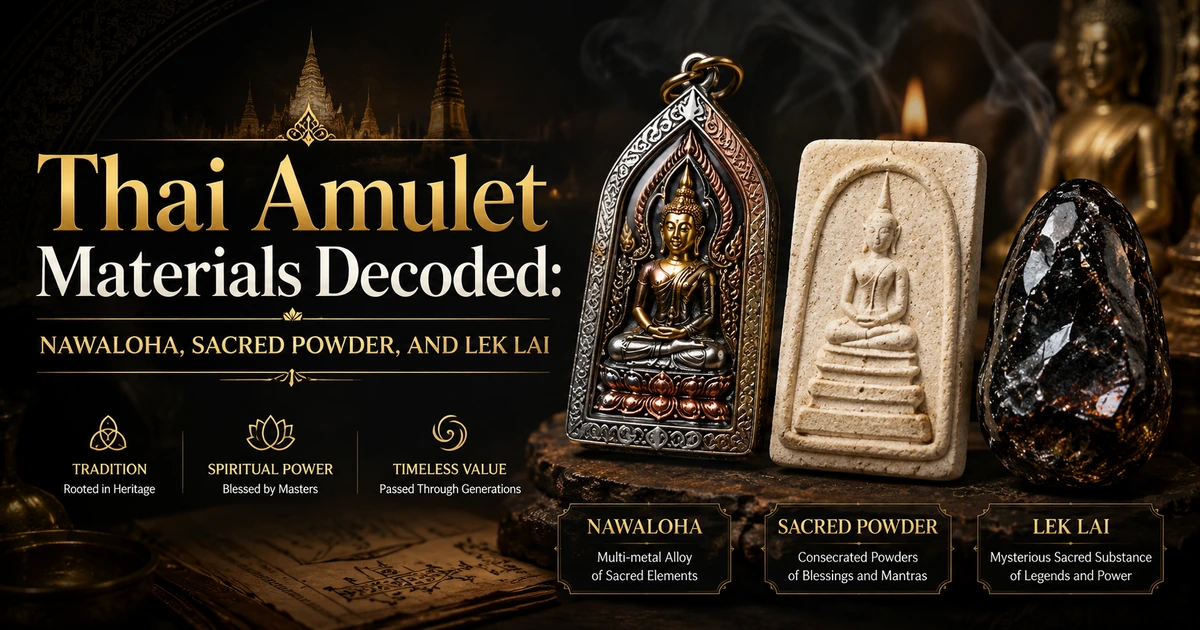
Nawaloha (นวโลหะ) is the most prestigious metal composition in Thai Buddhist amulet-making. The name means "nine metals," though the specific composition varies by temple and master. Common components include gold, silver, copper, lead, tin, iron, mercury compounds, and two additional sacred metals specific to each lineage's tradition.
The belief underlying Nawaloha is that the interaction between these nine metals creates a unique energetic resonance — each metal contributing a specific quality (gold for nobility, copper for warmth, iron for protection, etc.) that, when combined in sacred proportions during a consecration ceremony, creates a synergistic spiritual force greater than any single metal alone.
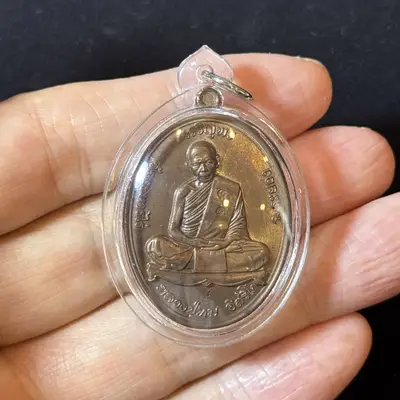
Nawaloha pieces are typically heavier and more durable than powder amulets, and are considered especially suited for protection and authority effects. The LP Tim Charoen Porn Bon Nawaloha 2557 is a prime example — LP Tim's classic wealth formula rendered in this premium alloy.
Sacred Powder (Pong) — The Most Common Form
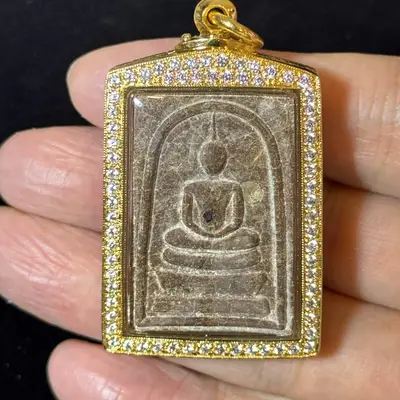
The majority of Thai amulets are made from pressed sacred powder. This is not simple dust — pong is a meticulously composed mixture that can include:
- Ground relics from revered monks' robes or personal effects
- Sacred herbs and plants with traditional medicinal and spiritual associations
- Consecrated ash from ceremony fires
- Mineral compounds including sacred earth from temple grounds
- Sometimes powdered bones or hair of previous masters (rare, high-value pieces)
- Binding agents — often sacred lacquer or honey — pressed under high pressure in traditional molds
The composition ratio is typically a closely guarded temple secret, passed from master to disciple. A master monk like LP Tim might spend decades refining his powder formula, and significant amulet batches can involve over 100 distinct ingredients.
Powder amulets tend to have a softer, more pervasive energetic signature — well-suited to wealth, relations, and everyday protective effects. The entire LP Tim Charoen Porn Bon series uses sacred powder compositions.
Lek Lai — The Living Sacred Metal
Lek Lai (เหล็กไหล) occupies a unique position in Thai amulet lore. Described in ancient texts as a "celestial metal" found naturally in sacred cave formations, Lek Lai is believed to have inherent supernatural properties that exist independently of any blessing ceremony — though a monk's consecration amplifies them significantly.
Traditional Lek Lai is described as soft at room temperature, hard when cooled, and said to "move" when exposed to certain stimuli. Modern analysis suggests some Lek Lai is a natural iron formation with unusual mineral inclusions; the full explanation remains contested between scientific and spiritual communities.
Lek Lai amulets are associated with extreme invulnerability and high-level protection. They are rare, expensive, and typically worn only by experienced practitioners who have established a relationship with a specific monk's lineage. They are not generally recommended as a first amulet.
Copper and Bronze
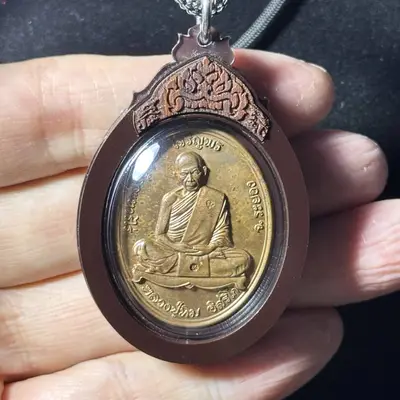
Many monk portrait amulets (Phra Luang Por) are cast in copper or bronze. These are more accessible than Nawaloha pieces and carry solid protective and wealth properties. Copper in particular is associated in Thai tradition with warmth, health, and the activation of luck energy.
Vintage copper and bronze pieces can be especially powerful — decades of contact with believers who have prayed to and with the amulet create what practitioners call "accumulated merit resonance," a kind of spiritual patina.
Sacred Wood (Mai Saksit)
Some amulets are carved from sacred woods — often the wood of trees growing on temple grounds for over 100 years, or wood from the robes-drying poles of revered masters. Sacred wood amulets are typically smaller and lighter, worn for subtle protection and good fortune.
In Thai tradition, specific tree species carry specific properties: certain woods for protection, others for prosperity, others for health. The carver's skill and the blessing ceremony matter as much as the wood itself.
How to Read an Amulet Listing's Material Information
When reviewing an amulet, look for:
- "Nawaloha" / "Nine Sacred Metals": Premium cast metal piece — durable, high-energy, suitable for protection and authority
- "Sacred powder" / "Pong": Pressed composition — lighter, subtler energy, excellent for daily wear
- "Copper" / "Bronze": Solid cast metal — accessible, warm energy, good all-rounder
- "Vintage" + any material: Decades-old piece with established provenance — the material has had time to accumulate spiritual resonance
Frequently Asked Questions
Does the material affect how I should care for the amulet?
Yes. Nawaloha and copper pieces can be gently cleaned with a soft dry cloth. Avoid water and chemicals on powder amulets — the sacred composition can degrade with moisture. If your powder amulet gets wet, let it air dry slowly away from direct heat. Never use ultrasonic cleaners on any amulet.
Can the same monk's blessing work equally in different materials?
In Thai amulet theory, yes — the monk's power and the consecration ceremony are the primary determinants of spiritual efficacy. The material shapes how that energy expresses and interacts with the wearer, but doesn't override the blessing. Think of the material as the "tuning" of the spiritual signal.
Is Nawaloha always more powerful than sacred powder?
Not categorically. LP Tim's powder amulets — considered some of the most spiritually potent pieces in Thai history — are all pressed powder, not metal. The material is one variable among many. Monk lineage, ceremony scale, and ingredients matter more than material type alone.