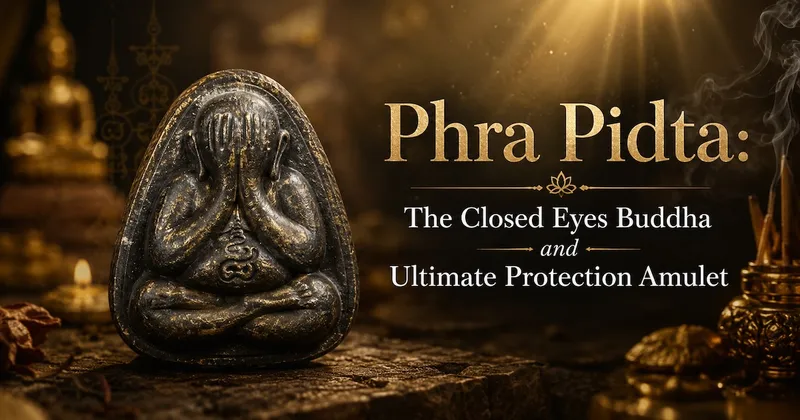
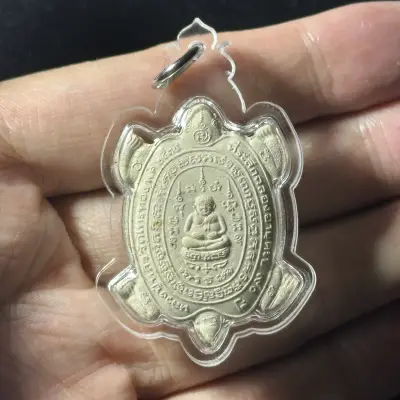
Phra Pidta, the closed-eyes Buddha, is Thailand's classic protection amulet. What the covered eyes mean, what it guards against, and who should wear one.
What Is Phra Pidta?
Phra Pidta is a Thai amulet depicting a seated figure with both hands raised to cover the eyes and face. The name literally means "closed eyes" or "covering eyes" in Thai. It is one of the most recognizable and popular Thai amulet types, prized above all for its protective power — the ability to shield the wearer from danger, negativity, jealousy, and harm.
Among Thai amulet practitioners, Phra Pidta holds a special status as the go-to choice for personal protection. Military personnel, police officers, taxi drivers, and anyone working in high-risk environments frequently choose Phra Pidta as their primary amulet. This guide explains the Buddhist philosophy behind its design, the specific protections it offers, and how to choose the right one.
The Buddhist Philosophy Behind Phra Pidta
The figure depicted in Phra Pidta is not simply covering its eyes out of fear. The posture represents a state of profound meditation connected to the Buddhist concept of Nirodha — the cessation of suffering through withdrawal from sensory distractions.
In Buddhist teaching, much of human suffering stems from what we see, hear, and react to. By covering the eyes, the figure symbolizes the deliberate choice to turn inward, away from the chaos and negativity of the external world. This is not avoidance — it is the highest form of spiritual discipline, a conscious decision to let harmful energies pass by without engaging with them.
This philosophical foundation gives Phra Pidta its protective character. The amulet does not fight danger — it makes the wearer invisible to it. Negative energy, ill intention, jealousy, and misfortune are believed to simply pass over the wearer, unable to find a target.
Protective Powers of Phra Pidta
Phra Pidta is primarily associated with two categories of protection in Thai amulet tradition:
- Kong Grapan Chadtri (invulnerability) — This is the power of physical protection, shielding the wearer from weapons, accidents, and bodily harm. While no responsible practitioner claims literal invulnerability, the tradition holds that Kong Grapan energy creates a spiritual barrier around the wearer that reduces the likelihood of physical danger finding them.
- Klaew Klaad (danger evasion) — Perhaps more practically significant, Klaew Klaad is the power of narrow escapes — missing the bus that later crashes, taking a different route that avoids an accident, arriving moments before or after a dangerous event. Thai culture is full of personal accounts of Phra Pidta wearers experiencing these uncanny near-misses.
Beyond physical protection, Phra Pidta also provides:
- Shielding from jealousy and negativity — In Thai workplace culture, jealousy from colleagues or competitors is taken seriously as a real threat. Phra Pidta is believed to make the wearer less visible to envious eyes.
- Metta (loving-kindness) — Many Phra Pidta amulets also carry Metta energy, softening potential conflicts and encouraging goodwill from others.
- Maha Pokasap (wealth retention) — Some versions of Phra Pidta, particularly those by masters known for wealth-related blessings, are believed to help the wearer hold onto money and avoid financial losses.
Famous Phra Pidta Masters
Several Thai Buddhist masters are particularly renowned for their Phra Pidta creations:
- Luang Phor Boon of Wat Klang Bang Kaew — Widely considered the greatest Phra Pidta creator in Thai history. His pieces, particularly those from the early and mid-20th century, are among the most sought-after protective amulets in existence. A genuine Luang Phor Boon Phra Pidta can command prices in the hundreds of thousands of baht.
- Luang Phor Kaew of Wat Kruawan — Another legendary master whose Phra Pidta amulets are prized for exceptionally strong Kong Grapan protection.
- Luang Phor Toh of Wat Pradoochimplee — Known for Phra Pidta with powerful Metta energy in addition to protection, making them well-rounded amulets.
- Modern masters — Many respected contemporary monks continue the Phra Pidta tradition. These modern pieces offer genuine consecrated protection at far more accessible prices than vintage collector pieces.
Different Styles of Phra Pidta
Phra Pidta amulets come in several recognizable variations:
- Standard Phra Pidta — Two hands covering the face, the most common and classic design.
- Phra Pidta Maha Ut — Multiple pairs of arms covering the entire body, not just the face. This version is associated with even stronger protective energy, as every vulnerable point is sealed.
- Phra Pidta Yant — The surface is covered with sacred Khmer script (Yant), adding layers of protective inscriptions to the physical shielding posture.
- Phra Pidta Jumbo — Larger than standard, often worn as a pendant or kept in the home rather than worn daily.
The style you choose is largely a matter of personal preference and the specific master who created it. All genuine consecrated Phra Pidta carry protective energy regardless of the variation.
Who Should Wear Phra Pidta?
Phra Pidta is ideal for anyone whose daily life involves elevated risk or exposure to negativity:
- Frequent travelers — Whether commuting daily in heavy traffic or flying internationally, Phra Pidta's Klaew Klaad energy is particularly valued for travel safety.
- High-risk professions — Military, law enforcement, construction workers, and others in physically demanding or dangerous roles.
- Competitive environments — Business people facing intense competition, office workers navigating political workplaces, or anyone dealing with jealousy from peers.
- Those going through difficult periods — If you feel surrounded by negativity, bad luck, or interpersonal conflict, Phra Pidta is the traditional first recommendation.
- General protection seekers — You do not need to be in danger to benefit from Phra Pidta. Many Thai people wear one simply for everyday peace of mind.
Finding Your Phra Pidta
When choosing a Phra Pidta, focus on the consecrating monk's reputation rather than the physical appearance of the amulet. A modest-looking Phra Pidta properly blessed by a respected master carries far more spiritual weight than an elaborate piece without genuine consecration.
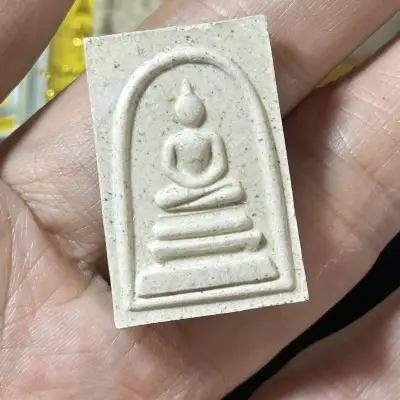
Explore our amulet collection to find Phra Pidta pieces sourced directly from Thai temples, or learn more about Phra Somdej if you are looking for an all-purpose alternative. For general guidance on selecting your first amulet, see our beginner's choosing guide.