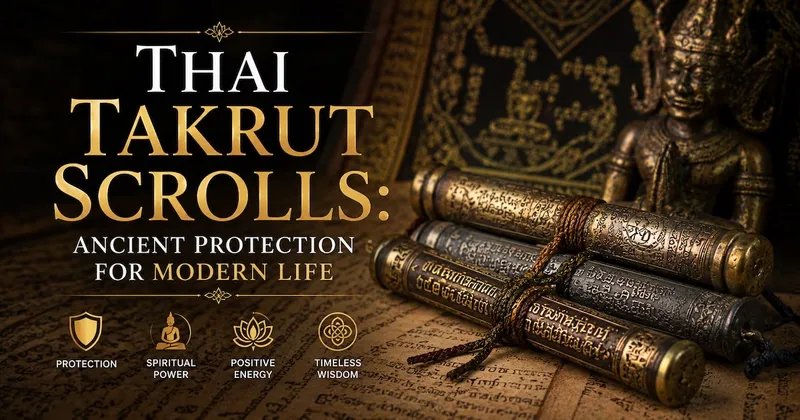
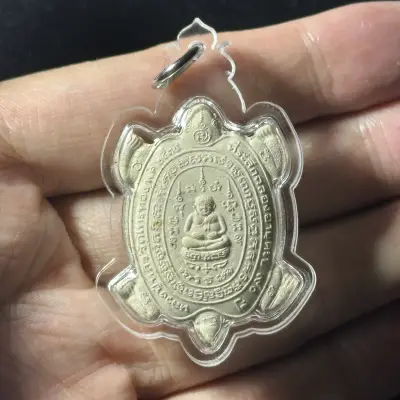
Takrut are sacred metal scrolls inscribed with protective formulas by Thai monks. Learn how these portable protection devices work, the different metals used, and how to wear them alongside amulets.
What Is a Takrut?
A Takrut is a small metal scroll inscribed with sacred formulas (Yant) in ancient Khmer or Pali script, then tightly rolled and sealed. These cylindrical scrolls — typically 2-5 centimeters long — are among the most ancient forms of Thai spiritual protection, predating many amulet types. They are worn as pendants, attached to amulet chains, or carried in pockets (above the waist), providing portable protection through the power of the inscribed sacred texts.
Think of a Takrut as a spiritual prescription — each scroll contains specific formulas targeting specific protections or blessings, selected and inscribed by the monk based on the intended purpose.
How Takrut Are Made
The creation of a Takrut follows a precise ritual process:
- Metal selection — The monk chooses the metal based on the intended purpose (see below for metal types and their associations).
- Inscription — Using a metal stylus, the monk inscribes sacred formulas onto the metal sheet. These are not random symbols — they are specific Yant (sacred diagrams) and Kata (mantras) drawn from centuries of accumulated mystical knowledge. The monk chants the corresponding mantras while inscribing, imbuing each stroke with spiritual energy.
- Rolling and sealing — The inscribed sheet is tightly rolled into a cylinder and sealed with lacquer, string binding, or additional metal casing. This sealing preserves both the physical inscription and the spiritual energy locked within.
- Consecration — The completed Takrut undergoes further consecration through meditation and chanting, completing the spiritual charging process.
Takrut Metals and Their Meanings
- Lead (Takrut Taluat) — The most common metal for protective Takrut. Lead is associated with heaviness and impermeability, symbolizing a shield that cannot be penetrated. Primarily for Kong Grapan (invulnerability) protection.
- Copper (Takrut Thong Daeng) — Associated with Metta (loving-kindness) and charm. Copper Takrut are often prescribed for improving relationships, business dealings, and social interactions.
- Silver (Takrut Ngern) — Carries Metta and wealth energy. Silver Takrut are valued for their dual benefit of interpersonal charm and financial prosperity.
- Gold (Takrut Thong) — The most prestigious metal, associated with supreme blessing across all categories. Gold Takrut are rare and valuable, usually reserved for special ceremonies or important recipients.
- Iron/Steel — Pure protection. Iron Takrut are associated with the hardest Kong Grapan energy — unyielding, impenetrable protection.
Types of Takrut by Purpose
- Takrut Maha Ud — The most famous protective variant. "Maha Ud" means complete sealing — this Takrut is designed to seal the wearer off from all forms of harm, creating a spiritual barrier around the entire body.
- Takrut Tone — A type inscribed with a single master formula, focused on one specific power (protection, wealth, or charm).
- Takrut Sariga — Inscribed with bird imagery and associated with speech and persuasion — making the wearer's words compelling and persuasive.
- Takrut Maha Sanaeh — Charm and attraction focused, often made in copper or silver.
- Multiple Takrut bundles — Some monks create bundles of three, five, or nine Takrut bound together, combining multiple protective formulas for comprehensive coverage.
How to Wear a Takrut
- On an amulet chain — The most common method. Takrut are threaded onto the same chain or cord as your pendant amulet, hanging alongside it.
- As a standalone pendant — A single Takrut on its own chain or cord works perfectly, especially if you prefer a minimalist approach.
- Attached to a waist cord — Traditional practitioners sometimes wear Takrut on a cord around the waist, though this is less common in modern urban settings.
- In a pocket — Kept in a shirt pocket (above the waist) is acceptable for those who prefer not to wear a chain.
The same wearing rules apply as for amulets: remove before bathing and intimacy, store in an elevated position when not wearing, and treat with respect.
Takrut vs Pendant Amulets
The key differences:
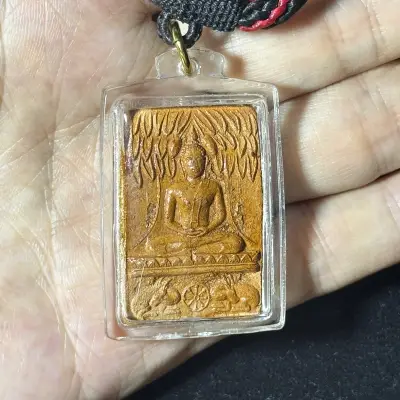
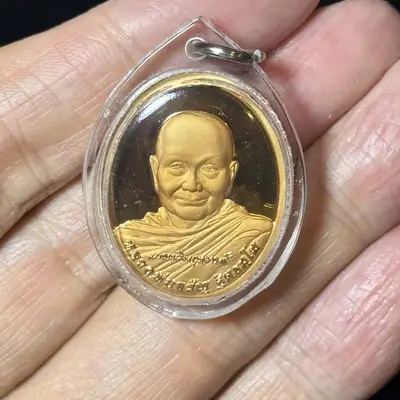
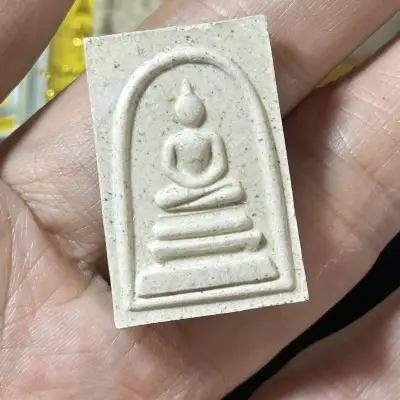
- Inscription-based vs image-based — Takrut carry their power through written sacred text; amulets carry power through the image of a Buddha or monk combined with the consecration.
- Discretion — Takrut are small and unobtrusive, making them ideal for wearers who prefer not to display a visible amulet.
- Combination — Most practitioners wear Takrut alongside their pendant amulets, layering different types of spiritual protection.
- Specificity — Takrut can be very precisely targeted — a monk can inscribe a formula addressing a specific protection need, while amulets tend to carry broader, more general energies.
Finding Authentic Takrut
Browse our collection for Takrut and protective amulets sourced from Thai temples. For more on Thai protection traditions, see our guides to Phra Pidta and protection amulets.