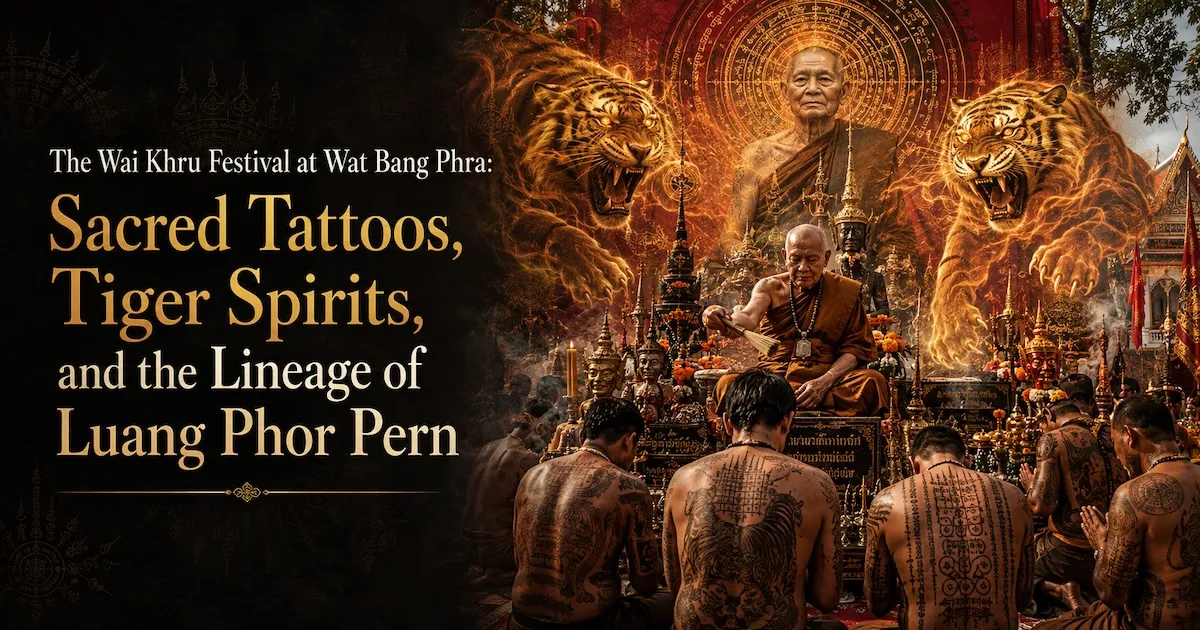
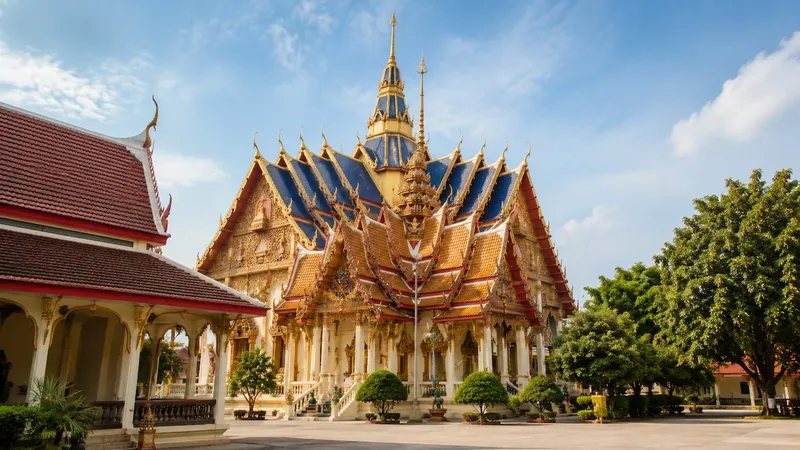
Every March, Wat Bang Phra hosts Thailand's most dramatic religious festival — the Wai Khru master-veneration rite of the sak yant tradition. What happens there, what it means, and why it matters to owners of Luang Phor Pern amulets.
Every year around March, tens of thousands of people converge on Wat Bang Phra, a temple in Nakhon Pathom province west of Bangkok, for one of Thailand's most extraordinary religious events: the Wai Khru ceremony, the annual rite of paying respect to teachers. For devotees of sak yant — the sacred tattoo tradition — this is the day their tattoos are ritually "recharged" by the masters. For amulet collectors, it is the living context behind one of Thailand's most famous protective lineages: that of Luang Phor Pern, the tiger monk. This article explains what Wai Khru is, what actually happens at Wat Bang Phra, and why the tradition matters for anyone who owns a piece from this temple.
What Wai Khru means
Wai khru translates as "paying homage to the teacher." It is a broad Thai tradition — dancers, musicians, boxers, and students all hold wai khru rites — built on the idea that skill and protection flow through an unbroken line of teachers, and that the debt to them must be renewed. In the sak yant world, the teacher is the master who applied the tattoo and the lineage of masters behind him. The annual ceremony renews the tattoo's power and the wearer's bond of discipline: sak yant comes with precepts, and the blessing is understood to hold only as long as the wearer keeps them.
The Wat Bang Phra festival
Wat Bang Phra is the spiritual home of the tradition thanks to Luang Phor Pern Tithakuno (1923–2002), the celebrated "tiger monk" whose riding-tiger imagery became one of Thailand's iconic protective motifs — our Luang Phor Pern profile tells his story in full. At the festival, monks and lay masters bless the assembled crowd; the most photographed moments are the khong khuen episodes, when devotees enter trance states expressing the animal spirits of their tattoos — tigers most famously — before being calmed by attendants. Beyond the spectacle, the day's purpose is simple: renewal of blessing and of the student-teacher bond. The wider tattoo tradition is covered in our sak yant and amulets guide.
What this means for amulet owners
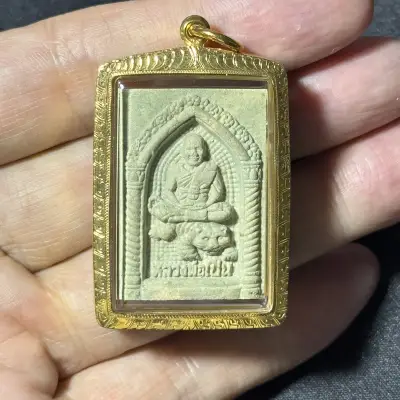
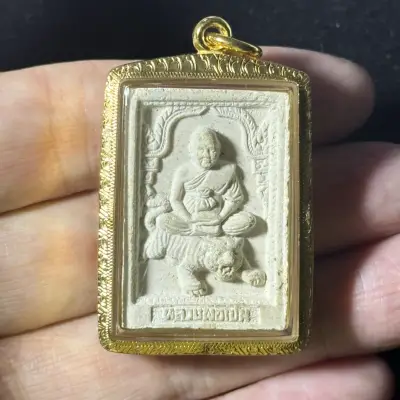
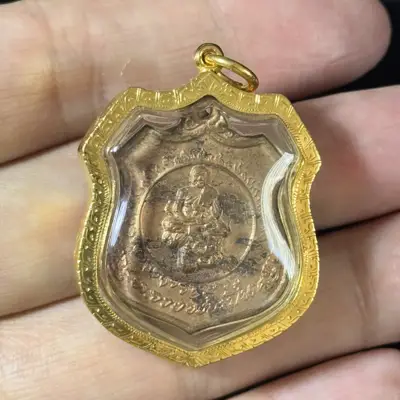
Amulets and sak yant are two vessels of the same lineage power. A Luang Phor Pern amulet carries the same tiger tradition that the tattoos express — which is why his pieces remain among the most sought-after protective amulets in Thailand two decades after his passing. Our collection includes several originals: the riding-tiger powder amulet of B.E. 2536, made in the master's seventieth year; the B.E. 2541 riding-tiger powder piece; and the B.E. 2535 copper self-image medal. Pieces consecrated during the master's lifetime at Wat Bang Phra carry the strongest provenance a tiger amulet can have.
Visiting the ceremony
- The festival is typically held in March; dates follow the temple's announcement each year.
- Arrive early — the grounds fill before dawn, and the main blessing happens in the morning.
- Dress and behave as for any temple: shoulders covered, respectful distance from those in trance.
- You do not need a tattoo to attend or receive the blessing; amulets brought along are traditionally held up during the mass blessing.
Frequently asked questions
Does an amulet need to be "recharged" like a tattoo?
Tradition does not require it. An amulet's consecration is complete at its ceremony. Attending a blessing is considered meritorious and strengthening, but a properly consecrated piece does not expire.
Are Luang Phor Pern amulets suitable for daily wear?
Yes — protection is their core purpose. Wear with basic respect (above the waist, senior position for Buddha images) as covered in our rules and taboos guide, and browse more options in the protection collection.