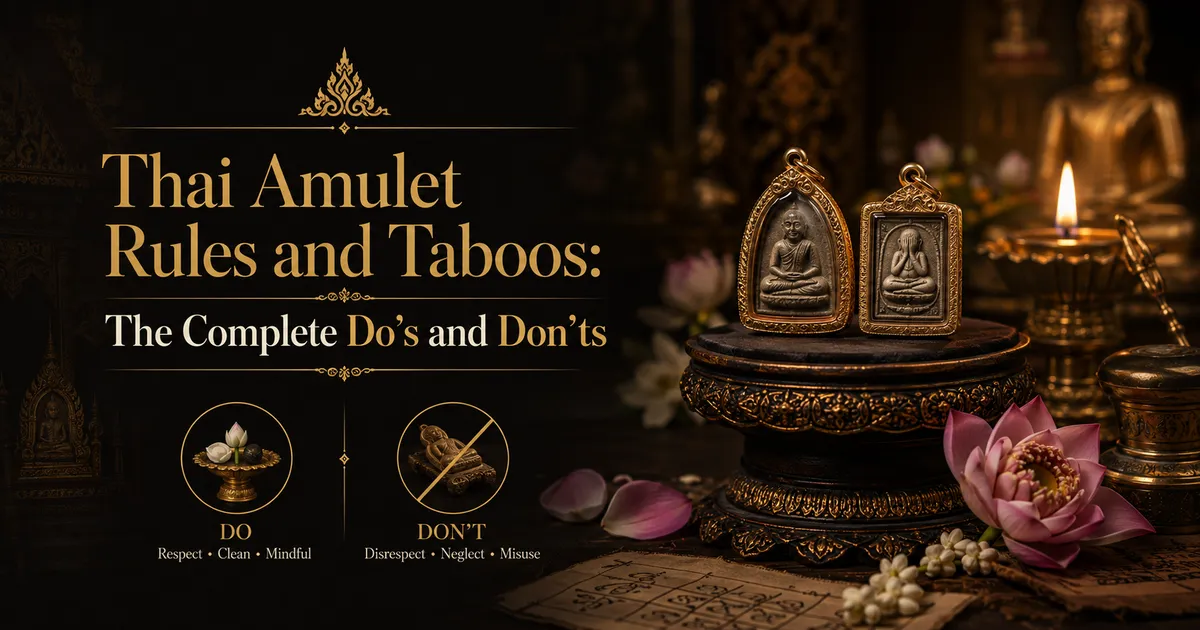
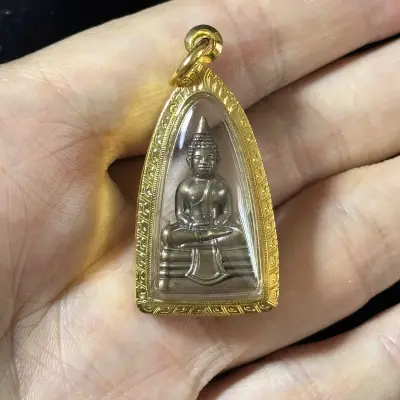
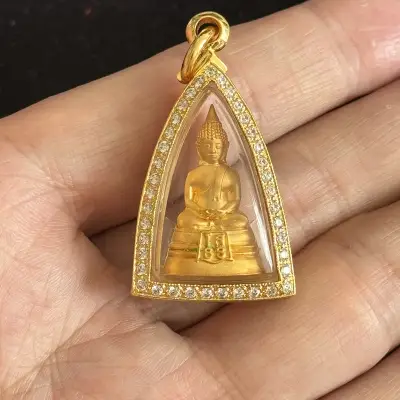
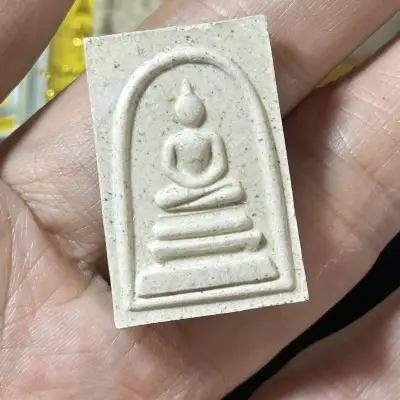
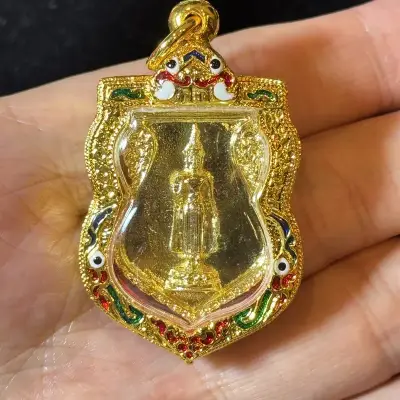
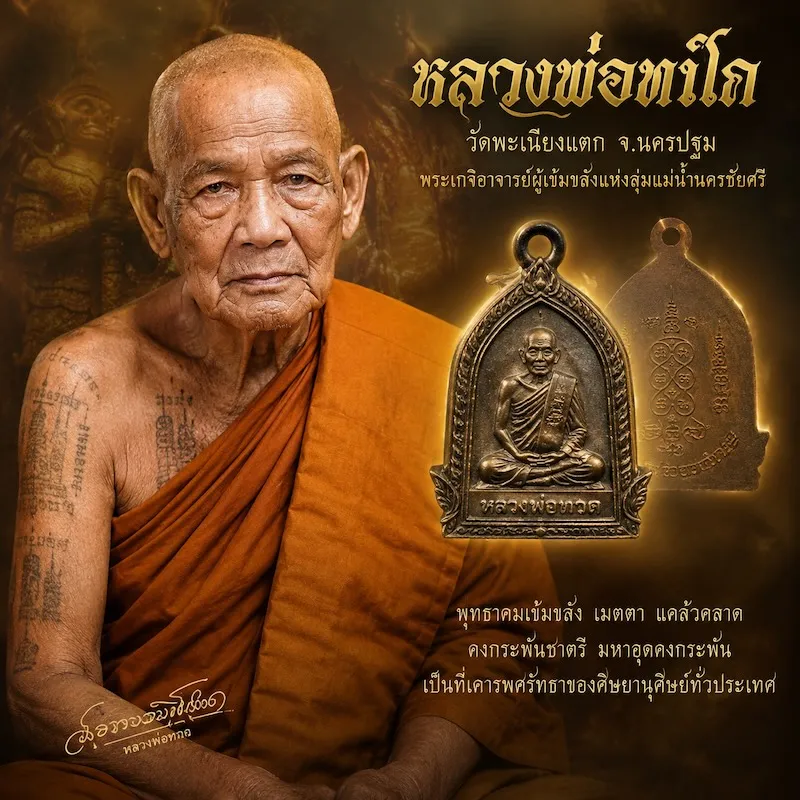
Can you shower with a Thai amulet? Sleep in it? Wear it to a funeral? Every rule and taboo that actually matters, plus the ones you can safely ignore.
The core rules are simple: wear amulets above the waist, remove them during intimacy and bathing, store them in a clean elevated place, and treat them with the same respect you would show a monk. Most other "rules" are cultural preferences, not strict requirements. Sincerity and good conduct matter more than rigid rituals.
The essential rules (universally agreed)
Thai amulet culture has many local variations, but these rules are consistently upheld across traditions:
- Wear above the waist: Amulets should hang on your neck or be placed in a shirt pocket — never below the belt. The waist is considered the boundary between the sacred upper body and the profane lower body in Thai Buddhist culture.
- Remove during intimacy: Take off your amulet before sexual activity. This is considered basic respect for the sacred object.
- Remove before bathing: Water can damage many amulet materials (especially powder and clay types). Even with waterproof cases, most practitioners remove amulets before showering as a sign of respect.
- Store in a clean, elevated place: When not wearing your amulet, place it on a clean shelf, in a dedicated box, or on a small altar — never on the floor, in a shoe cabinet, or in a bathroom.
- Handle with clean hands: Wash your hands before picking up or putting on your amulet, especially after using the toilet.
Daily wearing guidelines
At work
Wearing amulets at work is perfectly fine and extremely common in Thailand — from office workers to executives to laborers. You can wear them visibly over your shirt or tucked inside. There is no taboo about wearing amulets in professional settings.
While sleeping
Opinions vary. Many Thais sleep with their amulets on, especially protection amulets like Luang Phor Thuad. Others remove them before bed and place them on a bedside altar. Either approach is acceptable — comfort is the deciding factor for most people.
During exercise
You can wear amulets during exercise, but be practical: heavy metal amulets can be uncomfortable during intense activity, and sweat can tarnish metal or damage powder amulets without waterproof cases. Many athletes remove amulets during sports and put them back on afterward.
While eating
No restrictions. Eating while wearing amulets is completely normal. There is no taboo about specific foods either — the common myth about avoiding beef while wearing amulets has no basis in mainstream Thai Buddhist tradition.
Special situations
Funerals and cremations
You can wear amulets to funerals. In fact, protection amulets are sometimes considered especially appropriate at funerals, where spirits are believed to be present. However, some people choose to tuck their amulets inside their shirt at funerals out of general reverence.
Entering temples
Wearing amulets inside temples is completely appropriate and expected. Amulets are Buddhist objects, and temples are Buddhist spaces — there is no conflict. Many people visit temples specifically to have their amulets blessed or recharged.
Traveling by air
Metal amulets will trigger airport security scanners. Simply remove your amulet necklace before going through security, just as you would with any metal jewelry. Place it respectfully in a tray or in your carry-on bag. This is practical, not disrespectful.
Visiting other religious spaces
There is no taboo about wearing Thai amulets in churches, mosques, or other religious spaces. Thai Buddhism is generally non-exclusive. However, use common sense and cultural sensitivity — if you are visiting a space where visible religious symbols from other traditions might be unwelcome, tuck your amulet inside your shirt.
Multiple amulets: stacking rules
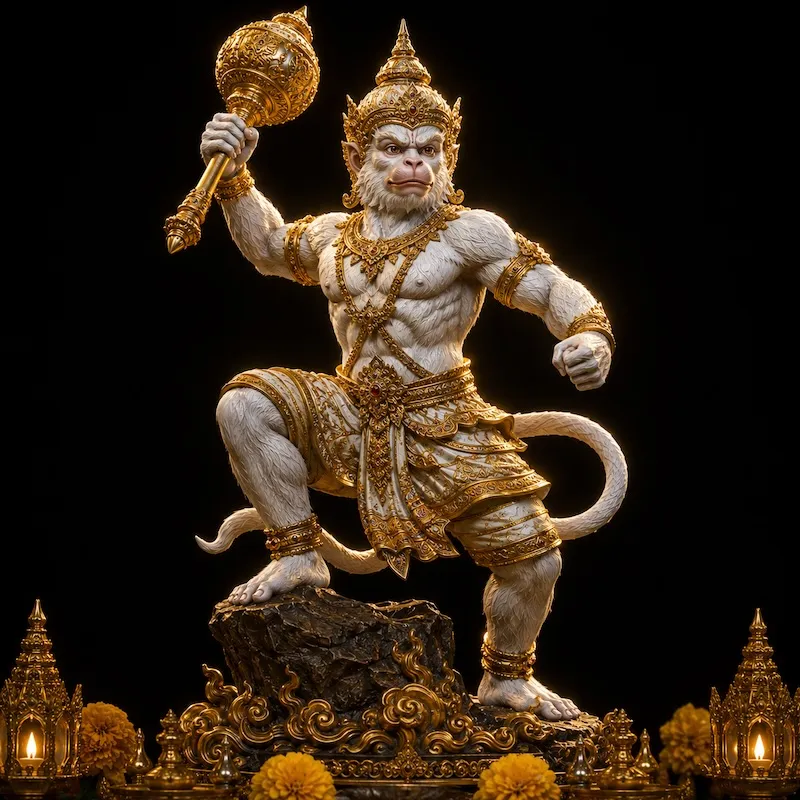
- Position hierarchy: If wearing multiple amulets, Buddha-image amulets should hang highest (closest to the neck). Deity amulets (like Hanuman or Ganesh) go below Buddha images. Spirit or protective amulets hang lowest.
- Odd numbers preferred: Thai tradition favors odd numbers of amulets (1, 3, 5, 7). This is a cultural preference, not a strict rule.
- Mixing types is fine: Wearing a protection amulet alongside a wealth amulet is common and encouraged — they complement each other.
Common myths debunked
- "You must chant prayers daily": Helpful but not required. Chanting is considered a way to strengthen the connection between you and the amulet, but simply wearing it with good intentions is sufficient.
- "Women cannot wear certain amulets": This is mostly a myth. The vast majority of Thai amulets can be worn by anyone regardless of gender. The rare exceptions are specific spirit-type amulets that some monks designate as male-only — but these are uncommon.
- "If your amulet cracks, something bad will happen": In Thai belief, a cracked amulet means it absorbed an impact meant for you — it protected you. Replace it with gratitude, not fear.
- "You cannot let others touch your amulet": Not a strict rule. While some practitioners prefer others not handle their amulets, it is not taboo. Monks regularly handle other people's amulets during blessings.
What to do if you break a rule
Thai Buddhism is practical, not punitive. If you accidentally wore your amulet into the shower, stepped over it, or forgot to remove it during an intimate moment, nothing terrible will happen. Simply acknowledge the lapse, hold the amulet respectfully, and mentally apologize. Thai monks consistently emphasize that intention matters far more than rigid rule-following.
FAQ
Q: Can I wear my amulet in the shower if it has a waterproof case?
A: Technically the case protects the physical amulet, but most practitioners still remove it before bathing as a matter of respect. It is more about reverence than practicality.
Q: I am not Buddhist. Do the same rules apply to me?
A: You are not bound by Buddhist precepts, but following the basic rules (wear above waist, remove during intimacy, store respectfully) shows respect for the tradition — and most practitioners believe the amulet responds to that respect. See our guide for non-Buddhists.
Q: What if I accidentally drop my amulet on the floor?
A: Pick it up, hold it respectfully to your forehead, and mentally apologize. Accidents happen. The amulet is not "ruined" — just treat it with care going forward.
Q: Can I give my amulet to someone else?
A: Yes. Gifting amulets is considered a generous act in Thai culture. The amulet is believed to carry the positive intention of the giver. Simply hand it over respectfully — no special ceremony is required.
Last updated: June 2026 | By the Merit Messenger team, based in Bangkok
Have more questions about wearing Thai amulets? Contact us — our Bangkok-based team is happy to help. Browse our collection to find your amulet.