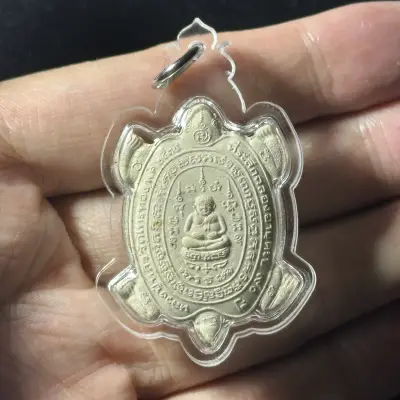
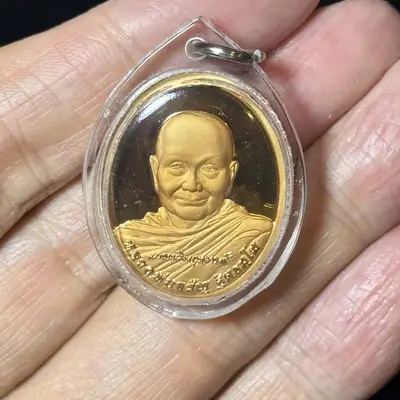
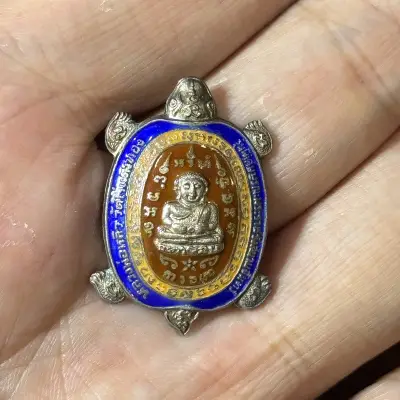
A weak wood element in your BaZi chart often explains relationship difficulties, social isolation, and a lack of mentors or helpful people in your life. Discover how Thai Metta and Khun Paen amulets address wood deficiency at its root.
A weak wood element in your BaZi chart is one of the most common causes of relationship difficulties, social isolation, and the persistent feeling that helpful people never appear when you need them most. In Chinese metaphysics, wood is the element of growth, connection, benevolence, and the natural human impulse to reach outward toward others — the way a tree extends its branches. When wood is deficient in your natal chart, these social capacities are diminished, leaving you struggling to form meaningful bonds, find mentors, or build the network of supportive relationships that successful people rely on. Thai amulets in the Metta (loving-kindness) tradition directly address this deficit by cultivating the energetic quality that draws others toward you.
Understanding Wood Element Deficiency in BaZi
Wood in BaZi is represented by the celestial stems Jia (Yang Wood, like a tall tree) and Yi (Yin Wood, like flowering vines and grass). The earthly branches associated with wood are Yin (Tiger), Mao (Rabbit), and Chen (Dragon with wood undertones). When your chart lacks these components — or when existing wood is chopped down by excessive metal or dried out by too much fire — you have a wood deficiency that affects every relationship in your life.
For Western readers, the simplest way to understand wood energy is to think about what healthy trees do. They grow steadily upward. They provide shelter and sustenance to other living things. They bend in storms rather than break. They exist in ecosystems of mutual support, with root networks that share nutrients between trees. People with strong wood energy naturally embody these qualities: they are generous, flexible, community-minded, and they attract others through genuine warmth rather than manipulation. People with weak wood struggle with all of these qualities, often without understanding why.
Signs of Weak Wood in Your Social and Relationship Life
Wood deficiency creates distinctive patterns in how you relate to others. These patterns often begin in childhood and intensify in adulthood, particularly during luck pillars or annual energies that further weaken wood.
The Missing Mentor Problem
In Chinese metaphysics, the concept of gui ren (noble helpers or benefactors) is closely tied to wood energy. These are the people who appear at critical moments to offer guidance, open doors, or provide opportunities you could not access alone. Everyone encounters potential gui ren throughout life, but people with weak wood consistently fail to connect with them. The introduction happens but never deepens. The mentor shows initial interest but drifts away. The helpful colleague gets transferred before they can follow through on their offer. If you have noticed a pattern of almost-connections that never materialize into lasting support, weak wood is a likely culprit.
Social Friction and Misunderstandings
Wood governs the quality of benevolence — the ability to give others the benefit of the doubt, to communicate with warmth, and to navigate social situations with grace. When wood is weak, interactions that should be smooth become oddly difficult. You say something intended as friendly and it lands as awkward. You try to join a group and feel like an outsider. Colleagues find you hard to read. Romantic partners describe you as emotionally distant even when you feel deeply connected internally. The gap between your inner warmth and its outward expression is a hallmark of wood deficiency.
Isolation Despite Effort
Perhaps the most frustrating manifestation of weak wood is the feeling of putting genuine effort into relationships and getting minimal return. You attend social events, you reach out to old friends, you try to be a good partner or parent — and yet the deep, nourishing connections that others seem to form effortlessly continue to elude you. This is not a skills problem. It is an energetic frequency problem. Wood-strong people emit a natural signal that says "I am safe, I am generous, come closer." Wood-weak people, through no fault of their own, emit a signal that is harder for others to receive.
If these patterns resonate, our BaZi Amulet Finder can confirm whether wood deficiency is the underlying cause and recommend specific remedies.
Thai Amulets That Cultivate Wood Energy
The Thai sacred amulet tradition contains an entire category devoted to what Thais call Metta Mahaniyom — great loving-kindness and universal attraction. These amulets are consecrated specifically to make the wearer beloved, trusted, and magnetically appealing in social contexts. The alignment with wood element supplementation is remarkably precise: Metta energy cultivates exactly the qualities that weak wood individuals lack.
Khun Paen Amulets: Charisma and Social Magnetism
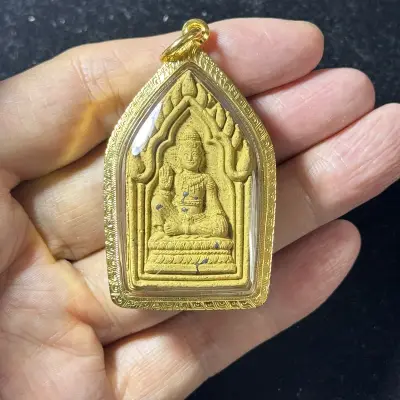
Khun Paen amulets are named after a legendary Thai warrior-poet known for his irresistible personal charm. In the Thai understanding, Khun Paen energy is not about superficial attractiveness — it is about the quality of presence that makes others feel comfortable, drawn in, and willing to help. This is precisely the wood-element quality of benevolent connection.
Monks who consecrate Khun Paen amulets use specific kata (sacred verses) from the Metta Sutta and related Pali texts that invoke the Buddha"s teaching on universal loving-kindness. The ritual often spans seven consecutive days, with each day building a different layer of social blessing: day one for family harmony, day two for friendship, day three for romantic connection, day four for professional rapport, and so on. The result is a sacred object that radiates a comprehensive social warmth matching the full spectrum of wood-element influence.
I sourced a Khun Paen recently from a monk in Suphanburi province — the historical heartland of Khun Paen tradition. This particular master had spent thirty years perfecting his Metta consecration ritual, and his amulets carry a palpable warmth that even skeptics notice. A Hong Kong businessman who acquired one told me that within weeks, his relationship with his estranged adult daughter began improving after years of silence. He had not told her about the amulet. The shift came from his own energy changing first.
Metta Mahaniyom Amulets: Universal Loving-Kindness
While Khun Paen focuses on personal charisma, Metta Mahaniyom amulets work on a broader frequency. They are designed to make the wearer beloved by all beings — superiors, subordinates, strangers, even animals. For someone with weak wood who struggles across multiple relationship categories simultaneously, Metta Mahaniyom provides comprehensive coverage.
The most powerful Metta Mahaniyom amulets come from monks who have achieved deep meditative states of loving-kindness themselves. Ajahn Chah"s lineage in the Isan region of northeastern Thailand produces monks who spend years cultivating Metta in their personal practice before transferring that energy to sacred objects. The principle is simple: you cannot give what you do not have. A monk who has genuinely attained Metta Jhana (the meditative absorption of loving-kindness) can encode that vibrational quality into an amulet with an authenticity that ritually skilled but meditatively shallow monks cannot match.
Nang Kwak: Attracting Helpful People and Opportunities
Nang Kwak is the beckoning lady — a figure depicted making a welcoming hand gesture that invites good fortune and kind people toward the bearer. While often associated with business luck, Nang Kwak"s deeper function aligns closely with the gui ren concept in Chinese metaphysics. She calls forth the helpful people, the beneficial coincidences, and the timely connections that wood-deficient individuals desperately need.
In several temples I visit in Ayutthaya and Bangkok, monks consecrate Nang Kwak specifically during the annual Metta festivals, when the collective merit-making energy of thousands of practitioners amplifies the consecration power. These seasonally timed amulets carry additional potency for relationship and social connection purposes.
How Monks Consecrate Specifically for Human Connection
Not all Metta amulets are created equal, and understanding the consecration process helps you choose wisely. The ritual technology behind relationship-focused Thai amulets is both ancient and remarkably specific.
During a Metta consecration ceremony, the presiding monk enters a specific meditative state called Metta Pharawana, radiating loving-kindness in all directions while holding the amulets in focused awareness. Sacred verses from the Karaniya Metta Sutta are chanted — sometimes for hours — while the monk visualizes the future wearer surrounded by supportive, caring people. Some masters incorporate water rituals, blessing sacred water that is then used to wash the amulets, adding an additional layer of purification and intention.
What distinguishes a Metta consecration from a general blessing is this specificity of intention. A monk performing a standard blessing ceremony might invoke general protection and good fortune. A Metta specialist channels energy exclusively toward the quality of being beloved and attracting helpful connections. This focus makes the resulting amulet far more effective for wood-element supplementation than a generically blessed object.
We document the consecration lineage and ritual details for every amulet in our collection, so you can verify the specificity of what you are acquiring.
Real-World Scenarios: Wood Deficiency and Amulet Results
A Canadian teacher living in Bangkok came to us after years of struggling to build friendships in Thailand despite speaking fluent Thai. Her BaZi chart showed almost no wood — born in a metal year and metal month with earth dominating the remaining pillars. Metal, in the five-element cycle, directly attacks and weakens wood. She was energetically broadcasting the opposite of the welcoming warmth that Thais respond to in social contexts.
We selected a Metta Mahaniyom amulet from a highly respected monk in Chiang Mai whose consecration lineage traced back to Kruba Srivichai, the beloved saint of the Lanna tradition. Within two months, she noticed a shift. Thai neighbors who had been politely distant began inviting her to meals. A Thai colleague at her school offered to introduce her to a weekend hiking group. Small gestures, but for someone who had felt locked out of social life for years, they represented a fundamental change in how others responded to her presence.
Another case involved a British consultant whose professional network had collapsed after a career change. His BaZi showed wood present but completely suppressed by a dominant metal framework — a situation where the potential for connection exists but cannot express itself. A Khun Paen amulet addressed this suppression directly. Over the following quarter, three former colleagues reconnected independently, and two of those reconnections led to consulting engagements. He described the experience as "doors reopening that I thought were permanently closed."
Complementary Practices for Strengthening Wood Energy
Thai amulets provide the energetic foundation, but these complementary practices reinforce wood energy in your daily life:
- Spend time in forests and gardens — Wood energy is literally present in living plants. Regular time among trees recharges your wood element at a fundamental level. Thai forest temple retreats offer both spiritual merit and elemental replenishment.
- Practice generosity deliberately — Wood is the element of giving. Small acts of generosity — buying coffee for a colleague, helping a stranger with directions, volunteering your skills — exercise the wood-energy muscles that have atrophied from disuse.
- Wear green and teal — These wood-element colors subtly signal approachability and growth energy. Incorporating them into your wardrobe reinforces the Metta energy your amulet is cultivating.
- East-facing morning practice — East is the wood direction. Sitting quietly facing east each morning for even five minutes, holding your Metta amulet, aligns your personal energy with the wood element in the environment.
- Journaling gratitude for relationships — Actively acknowledging the connections you do have strengthens wood energy from the psychological side, creating a positive feedback loop with the amulet"s energetic work.
Finding Your Wood Element Remedy
The specific nature of your wood deficiency matters enormously in selecting the right amulet. A chart where wood is entirely absent presents different challenges than one where wood exists but is under assault from excess metal. Your day master element also influences the approach — a water day master with weak wood needs different support than an earth day master with the same deficiency, because the relationship between your core self and the missing element differs.
Our BaZi Amulet Finder performs a complete elemental analysis using true solar time for maximum accuracy, then matches your specific wood deficiency profile against our curated collection of Metta, Khun Paen, and Nang Kwak amulets. If your relationships have been a source of confusion and loneliness despite your best efforts to connect, the solution may lie not in better social skills but in restoring the elemental energy that makes genuine human connection possible.