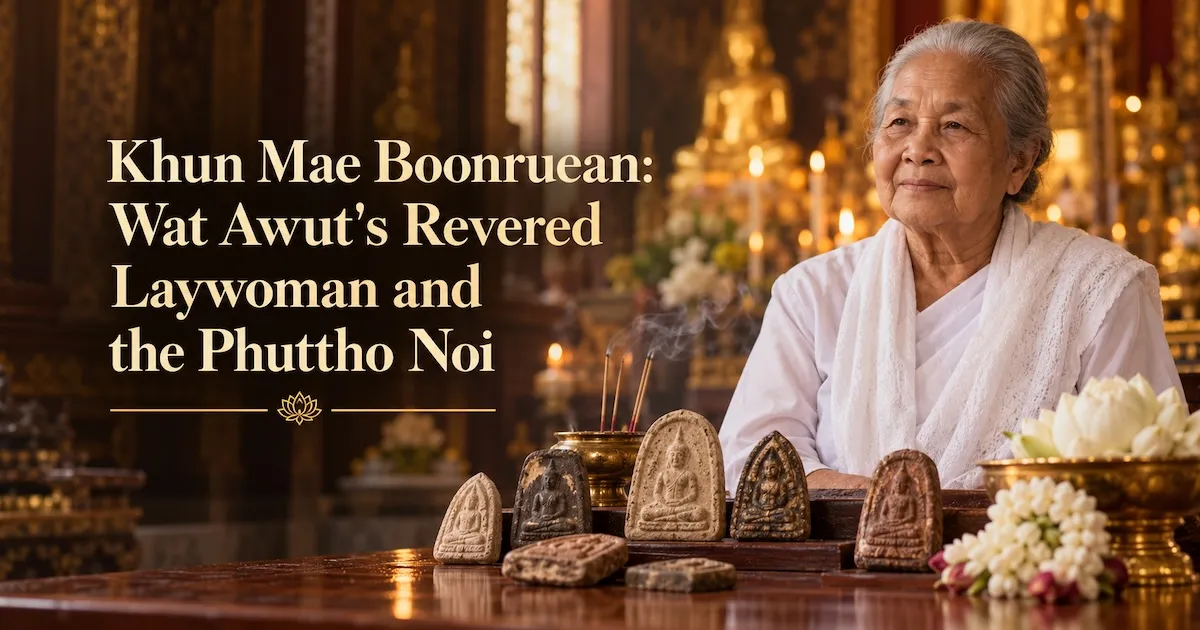
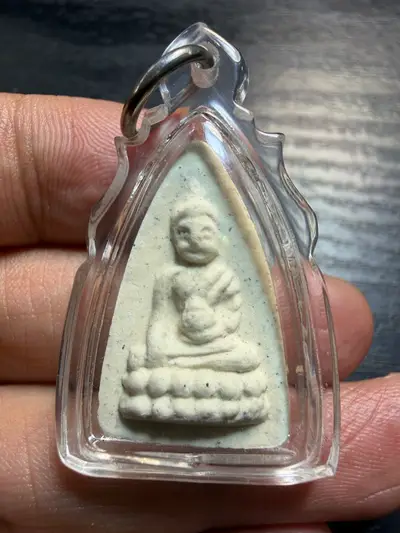
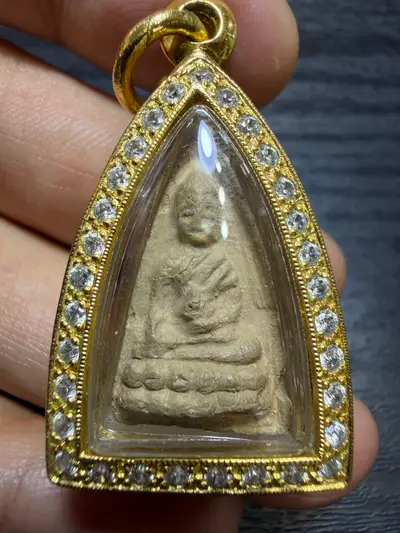
Khun Mae Boonruean Tongbunterm (คุณแม่บุญเรือน โตงบุญเติม, 1894–1964) was a Bangkok laywoman revered in Thailand as one of the very few women believed to have reached a high level of meditative attainment. She was not a monk; the amulets bearing her name, above all the small seated Buddha called Phra Phuttho Noi (พระพุทโธน้อย) first issued in B.E. 2494 (1951), come from Wat Awut Wikasitaram (วัดอาวุธวิกสิตาราม) in Bangkok, where her shrine stands. Devotees pray to her for luck, work and health, and her first-batch Phuttho Noi is one of the most sought-after amulets linked to a woman in Thailand.
Who was Khun Mae Boonruean?
"Khun Mae" simply means "Mother", a respectful title rather than a rank. Thai press accounts describe her as an ordinary person who practised meditation with great determination. Her teacher was Phra Ratchamongkhonmuni (Thet Nitthesō), then abbot of Wat Samphanthawong in Bangkok's Chinatown, under whom she practised vipassana. Wat Samphanthawong still keeps a small museum of her belongings and sacred objects.
Most Thai sources describe her as an upasika, a laywoman keeping the precepts; one newspaper column says she was ordained as a mae chi, a white-robed female renunciant. We describe her as a lay practitioner and note the difference. Thai media also report that in B.E. 2496 (1953) she chaired the building of the large Buddha image known as Luang Pho Phuttho Yai at Wat Saranat in Rayong.
She died on 7 September B.E. 2507 (1964) at the age of seventy. One Thai article gives her dates as 2437–2517; we follow the date of death given in two other accounts, which also matches her age.
Key facts
- Thai name: คุณแม่บุญเรือน โตงบุญเติม (the surname is also spelled โตบุญเติม)
- Life: B.E. 2437–2507 (1894–1964)
- Status: lay practitioner; some sources say mae chi
- Teacher: Phra Ratchamongkhonmuni (Thet Nitthesō), Wat Samphanthawong
- Shrine: Sala Khun Mae Boonruean, Wat Awut Wikasitaram (Wat Bang Phlat Nok), Charan Sanitwong Soi 72, Bang Phlat, Bangkok
- Best-known amulet: Phra Phuttho Noi, first batch B.E. 2494
Wat Awut and the Phuttho Noi
Wat Awut Wikasitaram sits on the Thonburi bank of the Chao Phraya in Bang Phlat. Its sala holds her statue, and Thairath reports that her relics are kept there too; another account places her ashes at Wat Pathum Wanaram. Visitors usually offer nam wa bananas and come back to give thanks when a wish is granted.
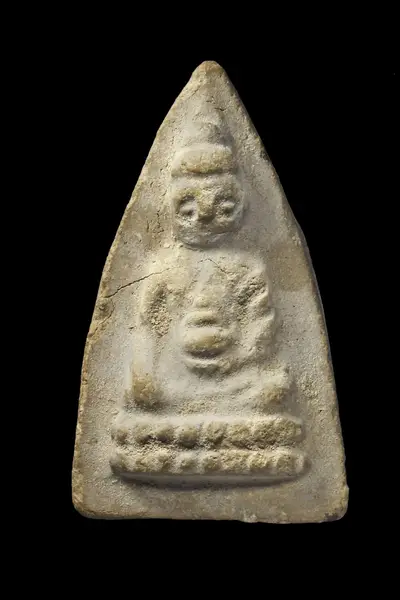
The Phra Phuttho Noi ("little Buddha", after the meditation word phuttho) is a small triangular amulet showing a seated Buddha on a double lotus base, with Thai script pressed into the back. The first batch dates to B.E. 2494 and was made in several moulds, including small, medium and large. Market listings commonly describe the first-batch material as blessed lime powder (nuea pun sek); the Amulet Association certificates we have seen name the piece, the year and the temple, but not always the material.
Wat Awut has issued later batches as well, often to raise funds for the temple. In B.E. 2568 (2025) Daily News reported a batch of 84,000 Phuttho amulets containing her relics, in five moulds and five materials, consecrated in three ceremonies at Wat Saranat, Wat Samphanthawong and Wat Awut to fund repairs to the ordination hall, which floods every rainy season.
What people ask her for
- Wishes and luck: her shrine is known as a place where wishes are granted, with thanks offered afterwards.
- Work and livelihood: steady work and income.
- Health: Thai Post notes that many devotees pray to her for recovery from illness.
These are devotional beliefs; an amulet does not guarantee any outcome.
Her amulets in our collection
All five pieces below carry Thai Amulet Association certification. Three are first-batch B.E. 2494 pieces, which are scarce; the other two are later temple issues at a more accessible price.
- First batch B.E. 2494, small mould, certified 07011.
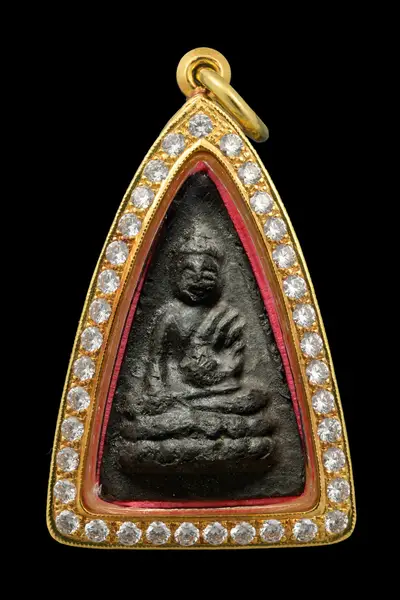
- First batch B.E. 2494, medium mould, certified D04650, in a gold and diamond case.
- First batch B.E. 2494, large mould, black, certified 08498, with the formal certificate included. The large mould is scarcer than the small and medium. The supplier describes the material as black powder made from the ashes of sacred scripture and the case as solid gold set with stones; we treat both as the supplier's description.
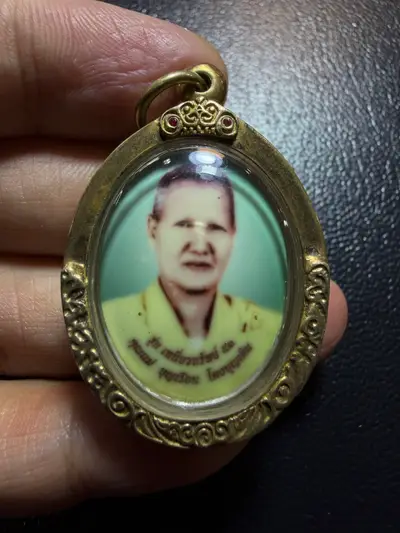
- Enamel-face locket, B.E. 2553, certified KR07906.
- "Yon Yuk 67" retro Phuttho Noi, B.E. 2567, certified GJ10-C0880.
What the certificate covers, and how to look up the barcode, is explained in our guide to Samakom Phra certificates. If you are not sure what a locket is, see Thai amulet formats.
Wearing and care
- The Phuttho Noi is a Buddha image, so ordinary etiquette applies: keep it above the waist and take it off for intimacy. See how to wear a Thai amulet.
- Old powder pieces are fragile and dislike water. Use a sealed case, and do not clean the surface.
- There are no special offerings needed. Devotees who visit Wat Awut often bring bananas to her shrine.
FAQ
Q: Was Khun Mae Boonruean a nun?
A: Most Thai sources describe her as a laywoman keeping the precepts; one says she was ordained as a mae chi. Either way, she was not a monk, and her title "Khun Mae" means "Mother".
Q: Can men wear her amulets?
A: Yes. The Phuttho Noi shows the Buddha, and her devotees are of every gender.
Q: Why is the first batch so much more expensive?
A: It was made in B.E. 2494, during her lifetime, and few certified pieces survive. Later batches were made in larger numbers after her death.
Q: Where can I pay respects to her?
A: At the Sala Khun Mae Boonruean in Wat Awut Wikasitaram, Bang Phlat, Bangkok. Wat Samphanthawong in Chinatown keeps a museum of her belongings.
Last updated: 2026-10-31 | By the Merit Messenger team, based in Bangkok
Questions about any of these pieces? Contact us or browse the collection.