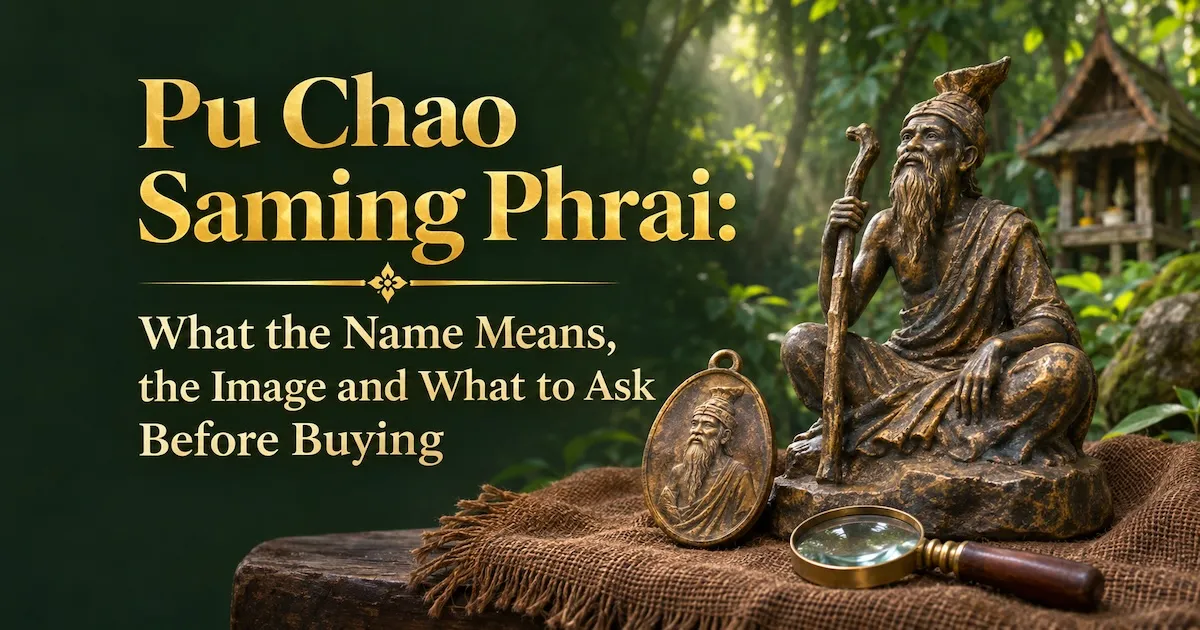
TL;DR: Pu Chao Saming Phrai (ปู่เจ้าสมิงพราย) is a revered spirit teacher of Thai folk belief. Pu Chao is an honorific for an ancestral master; saming is the tiger spirit of Thai folklore; phrai means spirit. He plays a key part in an episode of the classic Khun Chang Khun Phaen, and his images usually show an old sage with or riding a tiger. Devotees seek charm, authority and protection. Pieces come from temples and lay masters alike, so ask about provenance before buying.
What the name means
- ปู่เจ้า (Pu Chao): an honorific for a deity or ancestral master, roughly "venerable grandfather".
- สมิง (Saming): in Thai folklore, a spirit that has taken tiger form, or a person who can become a tiger.
- พราย (Phrai): spirit, also used in the language of magic.
Together the name points to an ancestral master of the spirit world closely tied to the tiger. In Chinese he is written 布周十面派, a sound-based rendering.
Khun Chang Khun Phaen
A literary essay cited by the Thai magazine Silpa Wattanatham notes that Pu Chao Saming Phrai plays a crucial role in one part of Khun Chang Khun Phaen, the classic whose magician-general hero inspired the Khun Paen amulet and related talismans; see the Khun Paen guide.
How he is shown
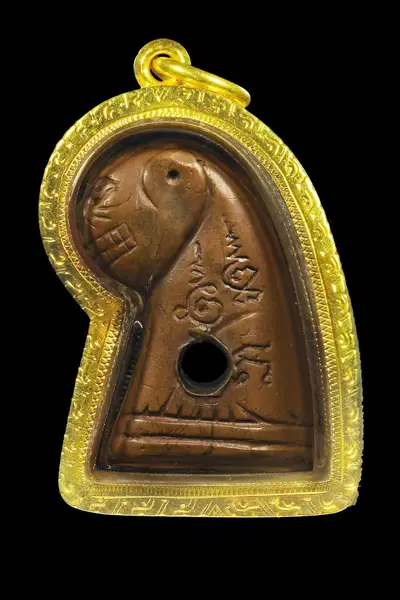
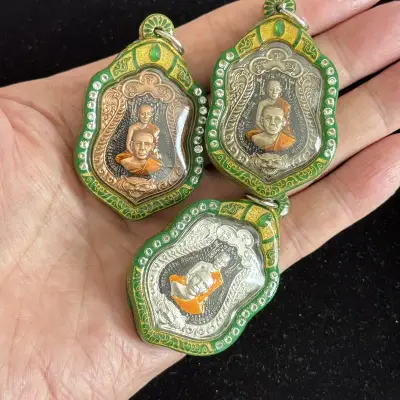
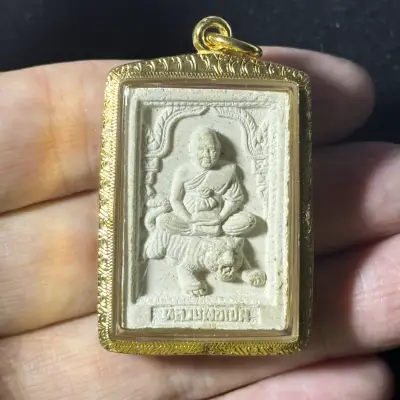
Most images show a long-bearded sage with a tiger or riding one, sometimes close in style to the Ruesi hermit. They come as amulets, medals and altar figures, made both by temple monks and by lay masters (ajarn).
What devotees seek
- Charm and authority, as with other tiger talismans
- Protection from danger and ill will
- Business and windfall luck, especially among Chinese-speaking devotees
These are devotional beliefs; an amulet guarantees no outcome.
What to ask before buying
- Who made it: which temple or master, and is the batch documented?
- What it is made of: ordinary powder and metal belong to the mainstream tradition; ask carefully about claims of unusual materials.
- Certification: for older pieces, check the Association certificate (how to check).
If you are after the tiger line
We do not currently stock Pu Chao Saming Phrai. For tiger-related presence and protection, see Thai tiger amulets and the tiger pieces below.
FAQ
Q: Is it a black-magic amulet?
A: It depends on the maker and materials. Temple-blessed powder or metal pieces are mainstream; ask about anything made with unusual materials.
Q: Is he the same as a Ruesi?
A: No, though the images are similar; see Ruesi (Lersi).
Q: Can women keep one?
A: Yes.
Last updated: November 2026 | By the Merit Messenger team, based in Bangkok
Looking for certified pieces with clear provenance? Browse our collection or contact us.