TL;DR: The tiger (sua, เสือ) is one of the most popular Thai talismans. Thais say the tiger has three powers: presence that makes other animals give way, a charm everyone wants to look at, and a hunter's knack for never going hungry. Tiger amulets are worn for authority, goodwill and business. They come as cast-metal figures, carved tigers, powder amulets and coins; Luang Pho Wong of Wat Pariwat, Luang Pho Pern of Wat Bang Phra and the Sao 5 twin tigers are well-known sources. For old pieces, always check the Association certificate.
Why Thais wear the tiger
Among Thai talismans (khrueang rang, เครื่องราง) the tiger carries a complete set of meanings:
- Presence (amnat, อำนาจ): the tiger is king of the forest and other animals flee at its scent. Wearers seek respect and the ability to hold a room, which is why managers and founders like it.
- Charm (metta maha niyom, เมตตามหานิยม): however fierce, everyone still wants to look at a tiger.
- Prosperity (chok lap, โชคลาภ): a born hunter never goes hungry, so the tiger stands for plenty and good business.
Add traditional protection and the tiger covers most of what a business owner cares about.
Common forms
- Cast-metal tigers: small figures in copper, brass or nawaloha, covered in yantra, worn on a cord or in a case.
- Carved tigers: hand-carved from bone, horn or wood, each one different.
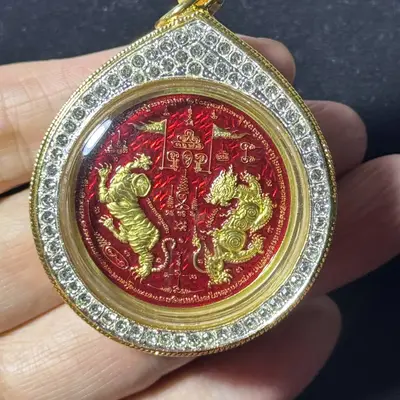
- Powder tigers and coins: the tiger pressed into a powder tablet or struck on a coin, such as the twin tigers blessed on Sao 5.
- Tiger sak yant: not an amulet but a tattooed yantra from the same tradition; see Sak Yant and Thai amulets.
Well-known sources
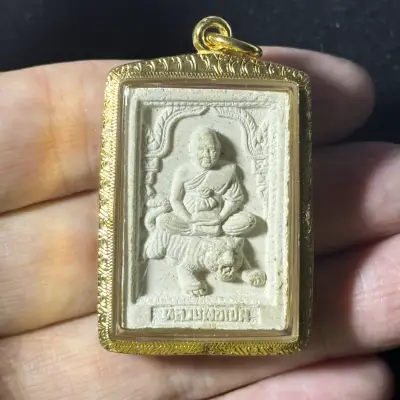
Luang Pho Wong of Wat Pariwat, Bangkok
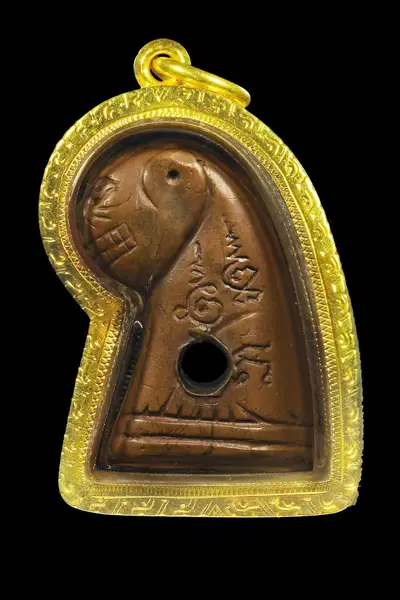
Luang Pho Wong of Wat Pariwat Ratchasongkhram (วัดปริวาสราชสงคราม) is known for his tigers: cast copper figures with a domed head on a keyhole-shaped body covered in yantra. The Thai Buddha Image Admiration Association registers them by batch, for example เสือหลวงพ่อวงษ์ รุ่น 6 เนื้อทองแดง พ.ศ. 2519 (sixth batch, copper, B.E. 2519). Supplier sources say he made six batches and that the sixth was the last and is the most common on the market; we have not independently verified this.
Luang Pho Pern of Wat Bang Phra
Luang Pho Pern is famous for tiger legends and tiger sak yant; see Luang Pho Pern: the tiger monk of Wat Bang Phra and the Wai Khru festival.
Sao 5 twin tigers
Twin-tiger coins blessed on the rare "Sao 5" consecration day; see our Sao 5 guide.
Who it suits and how to wear it
- Suits: managers, founders, business owners and anyone who needs to hold their ground in negotiations or leadership.
- Wearing: on the chest like any amulet; with several pieces, Buddha and monk images go in the centre and talismans such as tigers to the sides. Full etiquette in Thai amulet rules and taboos.
- Mindset: a tiger amulet is about presence and opportunity, not a guaranteed result.
What to check on an old tiger
Old cast tigers are widely copied. Check that the Association certificate can be looked up online (see the Samakom Phra certificate guide), that the colour and oxidation look natural, and that the seller separates what the certificate says from their own claims.
Tiger amulets in our collection
FAQ
Q: Is a tiger amulet a black-magic piece?
A: No. Tigers blessed by temple monks are protective talismans (khrueang rang) within the mainstream amulet tradition and are worn under the usual rules.
Q: Can women wear a tiger?
A: Yes. Authority, charm and prosperity are not gendered; many women managers and shop owners wear one.
Q: Tiger amulet or tiger tattoo?
A: A sak yant stays with you for life; an amulet can be taken off. They come from the same tradition with similar meanings.
Q: Why do cast tigers have a hole?
A: Many are made with a hole so they can be worn directly on a cord. It is part of the form, not damage.
Last updated: November 2026 | By the Merit Messenger team, based in Bangkok
Looking for certified tigers and other talismans? Browse our collection or contact us.