About Wat Sisa Thong
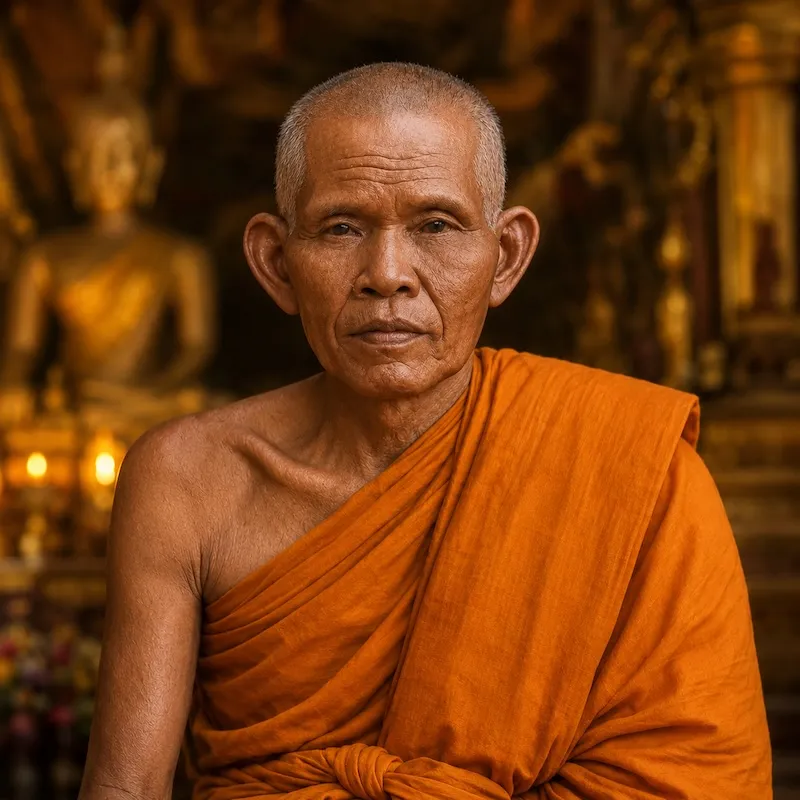
Wat Sisa Thong (วัดศีรษะทอง), also known as Wat Phra Rahu (วัดพระราหู) or the "Rahu Temple," is located in Nakhon Chai Si District, Nakhon Pathom Province, Thailand. Situated in the Huai Tako community along the Nakhon Chai Si River, the temple was founded in 1815 during the reign of King Rama I. It is Thailand's most celebrated temple dedicated to Phra Rahu worship and a major pilgrimage site for devotees seeking fortune and protection from misfortune.
Legend of the Golden Head
When the temple was originally established, villagers discovered a golden Buddha head while excavating the foundation — an event regarded as a divine omen. The temple was initially named "Wat Hua Thong" (Golden Head Temple). Under the stewardship of the revered monk Luang Phor Noi (หลวงพ่อน้อย), the temple was expanded, the Phra Rahu tradition was introduced, and it was officially renamed "Wat Sisa Thong." The temple's reputation for spiritual efficacy spread throughout Thailand.
Historical Origins
The temple's founding is closely tied to the Thonburi Kingdom era. When King Taksin's forces brought Lao refugees and the Emerald Buddha from Vientiane to Siam, many Lao migrants settled in this area. The construction of the Chedi Bucha Canal prompted villagers to relocate along the waterway, and Wat Sisa Thong became the spiritual center of the community. This history imbues the temple with a distinctive Lao Buddhist cultural heritage and marks the route through which the Rahu tradition entered Thailand.
Phra Rahu Worship
Wat Sisa Thong is the birthplace of Phra Rahu (พระราหู) worship in Thailand. In Hindu and Buddhist cosmology, Rahu is an astral deity who swallows the sun and moon, causing eclipses. In Thai folk belief, Phra Rahu governs the turning of fortune — devout worship is believed to dispel bad luck, remove backstabbers, and attract wealth and benefactors. The temple's centerpiece is a massive black Rahu statue clutching a golden moon in its mouth, an imposing and iconic sacred image.
According to Thai astrological tradition, Rahu is the guardian deity of those born on Wednesday night. On Wednesday evenings and during solar or lunar eclipses, thousands of devotees flock to the temple to present black offerings — black chicken, black sticky rice, black coffee, black beans — praying for Phra Rahu to transform their fortunes.
Amulets and Sacred Objects
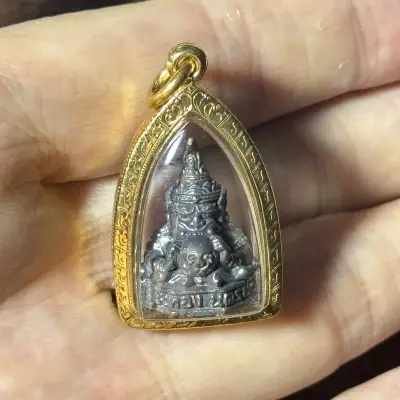
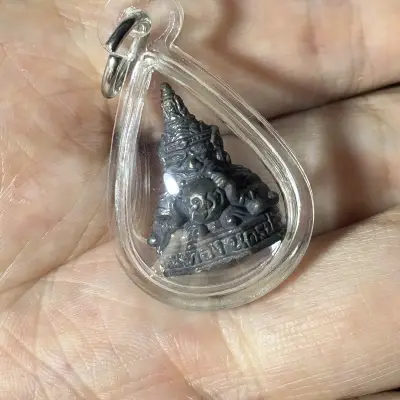
The temple's most famous sacred objects are the Phra Rahu Om Chan (Rahu Swallowing the Moon) amulets. Luang Phor Noi was the first monk in Thai history to consecrate Phra Rahu amulets, using ancient Lao palm-leaf manuscript incantations. These amulets are renowned for warding off evil, neutralizing adversaries, and attracting wealth and good fortune. Vintage amulets from Luang Phor Noi's era are highly prized among collectors and considered essential pieces for devotees of the Rahu tradition. The temple continues the tradition today, with contemporary monks consecrating Rahu sacred objects available for devotees daily.
Nearby Attractions
- Phra Pathom Chedi: the world's tallest Buddhist stupa, approximately 15 km from the temple
- Wat Bang Phra: Thailand's most famous Sak Yant (sacred tattoo) temple, located in the same district
- Don Wai Floating Market: a popular local floating market, about 10 km away