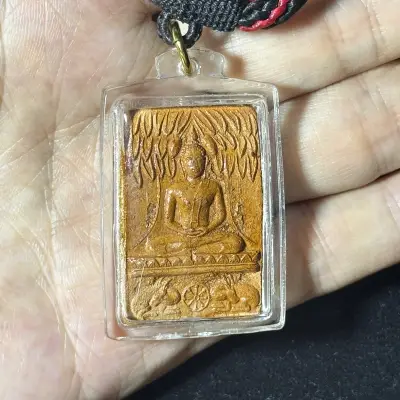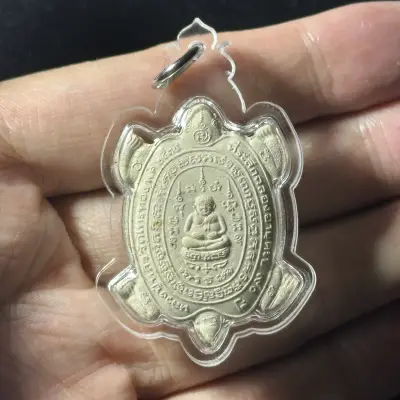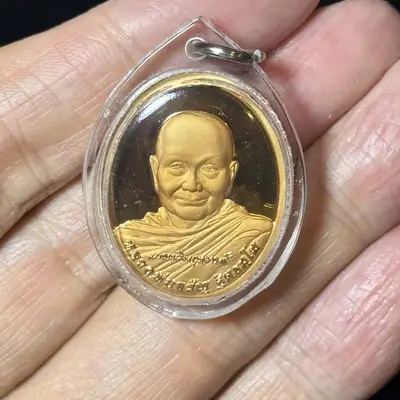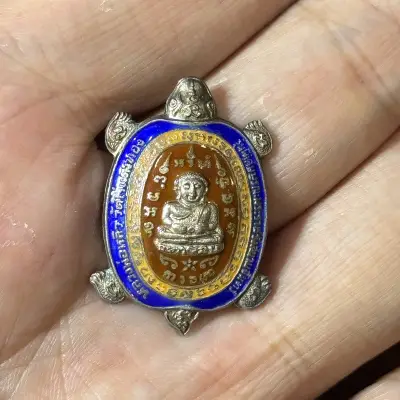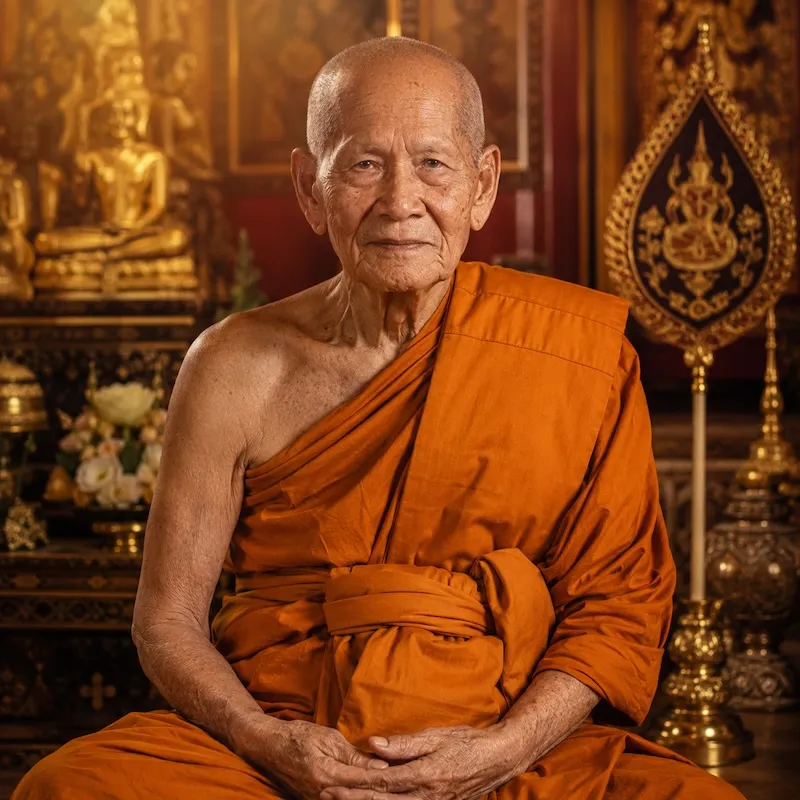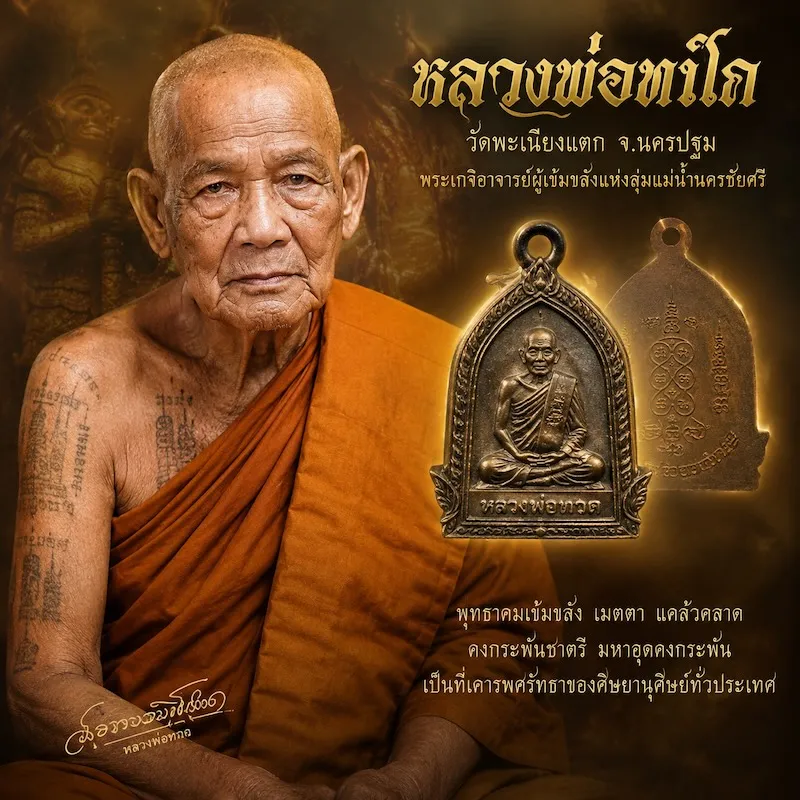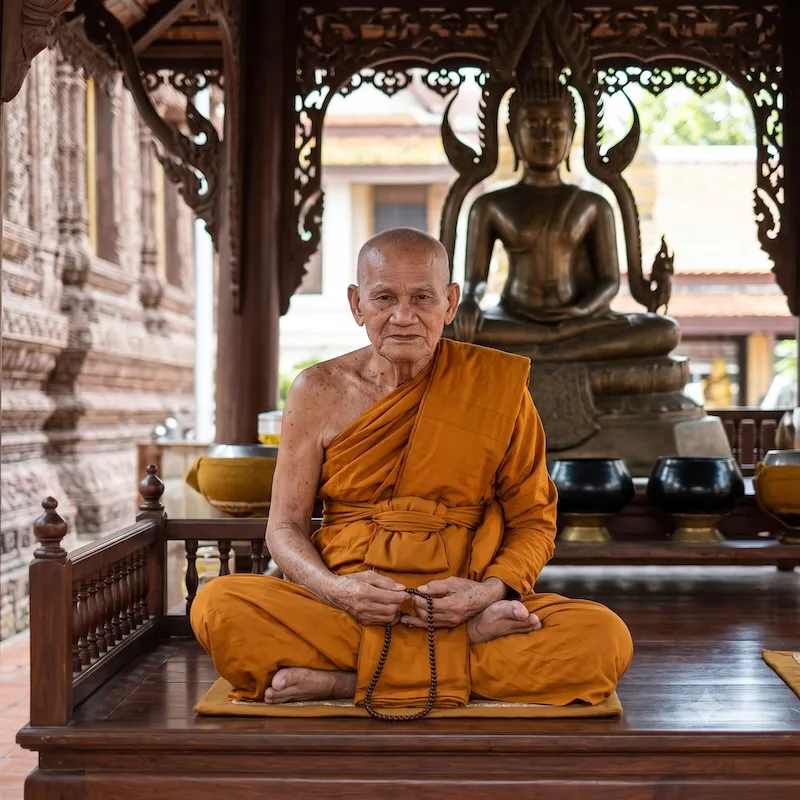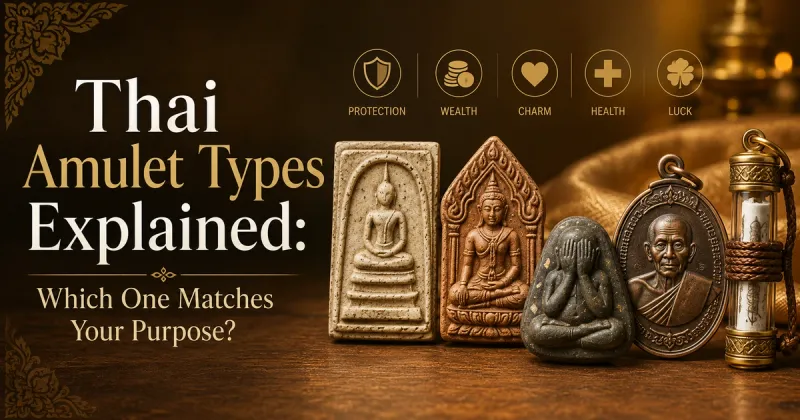
Thai amulets are not one-size-fits-all — each type is crafted for a specific purpose. Phra Somdej is the best all-rounder for beginners. Luang Phor Thuad excels at protection. Khun Paen is the go-to for love and charm. Phra Pidta blocks misfortune. Jatukam Ramathep attracts career success. Choose based on your primary need, not price or appearance.
How Thai amulets work: one purpose, one strength
Unlike general good-luck charms, Thai amulets are designed with intention. A monk consecrates each amulet during a ceremony (phutthaphisek) with specific prayers and rituals targeting a particular outcome — wealth, protection, love, or authority. While some amulets offer secondary benefits, each type has a core strength. Understanding this is the key to choosing well.
The top 10 Thai amulet types by purpose
1. Phra Somdej — the all-rounder
Best for: Overall blessings, luck, protection, and prosperity
Known as the "King of Amulets," Phra Somdej features a seated Buddha on a tiered base within an arch. Created by Somdej Toh of Wat Rakang — one of Thailand's most revered monks — it is the single most recommended amulet for first-time buyers because it covers multiple bases without specializing too narrowly.
Who should wear it: Anyone, especially beginners who want broad spiritual support.
2. Luang Phor Thuad — the protector
Best for: Protection during travel, safety from accidents and danger
Luang Phor Thuad was a legendary monk said to have turned seawater into fresh drinking water to save stranded sailors. Amulets bearing his image are the most popular protective charms in Southeast Asia. Drivers, pilots, and frequent travelers often wear LP Thuad amulets.
Who should wear it: Frequent travelers, drivers, anyone in physically risky work.
3. Phra Pidta — the shield
Best for: Blocking misfortune, avoiding danger, deflecting negativity
Phra Pidta (the "closed-eyes Buddha") depicts Buddha covering his face with his hands in deep meditation. This posture symbolizes shutting out all negativity. The number of hands (2, 4, 8, 12, or 16) indicates the level and breadth of protection — more hands, more comprehensive coverage. Two-hand Pidta focuses purely on danger-blocking; eight-hand versions add wealth and relationship benefits.
Who should wear it: Anyone facing obstacles, workplace conflicts, or a run of bad luck.
4. Phra Khun Paen — the charmer
Best for: Love, romantic attraction, personal charm, social magnetism
Named after a legendary Thai warrior known for his irresistible charm, Khun Paen amulets are the most sought-after "love amulets" in Thailand. They are believed to enhance the wearer's attractiveness and persuasiveness — not just in romance but in all social interactions.
Who should wear it: Those seeking romantic partners, salespeople, anyone who needs to be more persuasive.
5. Luang Phor Ngern — the wealth magnet
Best for: Financial prosperity, business growth, steady income
Luang Phor Ngern (whose name literally means "Silver Monk") is the most famous wealth-associated monk in Thai amulet culture. His amulets are especially popular among traders, investors, and business owners seeking stable, long-term financial growth rather than windfall luck.
Who should wear it: Business owners, investors, anyone seeking financial stability.
6. Mae Nang Kwak — the sales booster
Best for: Retail business, attracting customers, boosting sales
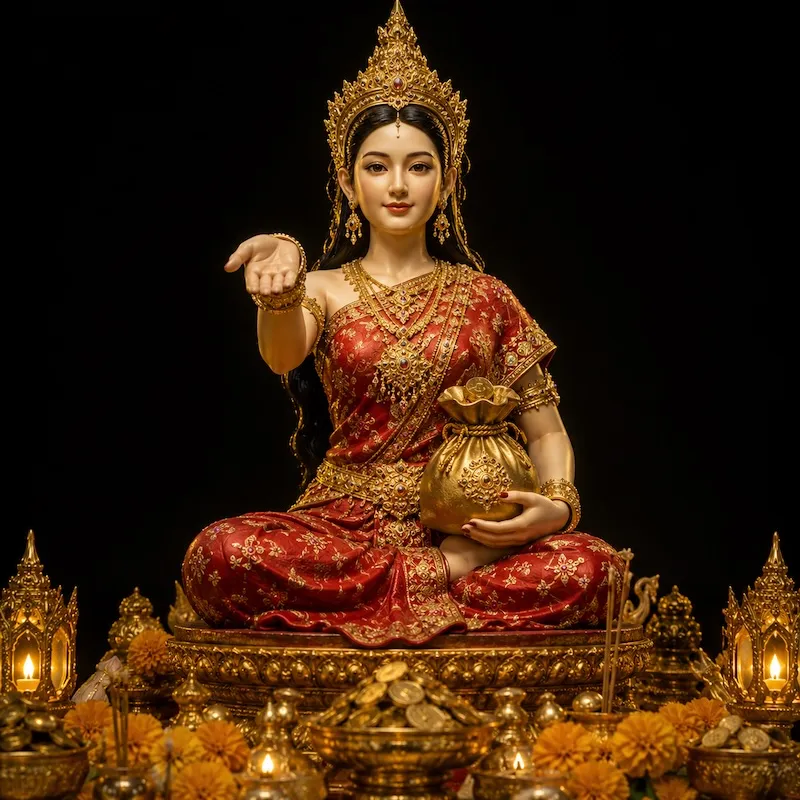
Mae Nang Kwak is a female deity depicted with a beckoning hand gesture — similar to the Japanese Maneki-neko but predating it by centuries. She is the patron deity of merchants and is believed to draw customers into shops and encourage purchases.
Who should wear it: Retail shop owners, online sellers, anyone in customer-facing commerce.
7. Jatukam Ramathep — the career accelerator
Best for: Career advancement, major life decisions, large-scale success
Jatukam Ramathep amulets are associated with massive good fortune and protection during major life transitions. They became phenomenally popular in 2007, causing a nationwide collecting frenzy in Thailand. The amulet is particularly favored by professionals seeking promotions or entrepreneurs launching major ventures.
Who should wear it: Ambitious professionals, entrepreneurs making big moves.
8. Hanuman — the warrior
Best for: Authority, leadership, courage, competitive advantage
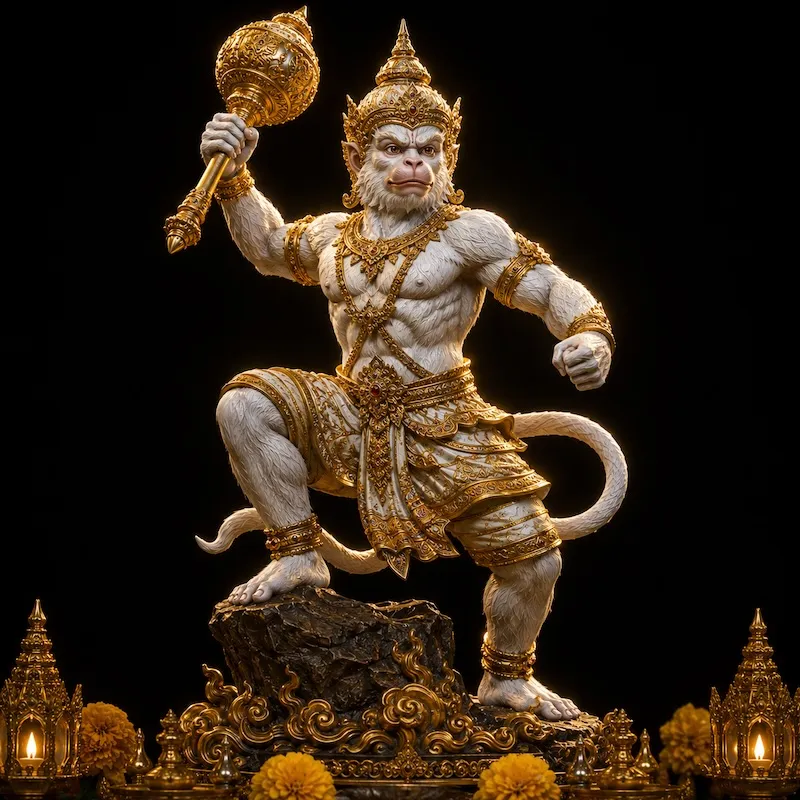
Hanuman is the monkey god from the Ramakien (Thai version of the Ramayana), symbolizing unstoppable warrior spirit and fierce loyalty. Hanuman amulets are popular among military personnel, police officers, business leaders, and anyone who needs to project authority and win competitions.
Who should wear it: Managers, competitive professionals, athletes, military/police.
9. Phra Sangkachai — the contentment bringer
Best for: Financial blessings combined with inner peace and contentment
Phra Sangkachai (the laughing, rotund monk) represents abundance without greed. Unlike pure wealth amulets, Sangkachai brings financial stability paired with a sense of satisfaction and reduced stress — prosperity you can actually enjoy.
Who should wear it: Those who want financial comfort without the anxiety of chasing more.
10. Takrut — the scroll of power
Best for: Varies by inscription — protection, invulnerability, charm, or wealth
Takrut are rolled metal scrolls inscribed with sacred scripts (yant) and mantras. Unlike image-based amulets, their power comes entirely from the written spells. Takrut are extremely versatile — the specific prayers inscribed determine the effect. They are often worn as secondary amulets alongside a primary Buddha image.
Who should wear it: Depends on the specific Takrut inscription; ask the dealer.