Amulet Knowledge
Learn about Thai amulet culture, consecration rituals, and buying guides
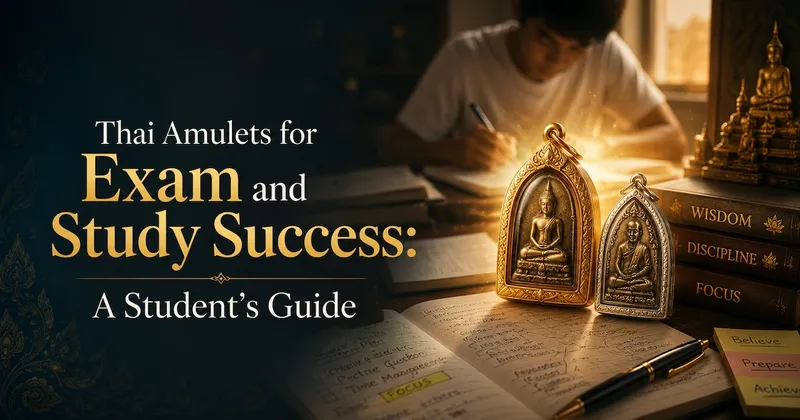
Thai Amulets for Exam and Study Success: A Student’s Guide
Thai amulets for study, focus and exam success. Why Ganesha and Phra Phrom are the classic choices for students, and how to actually use them alongside real preparation.
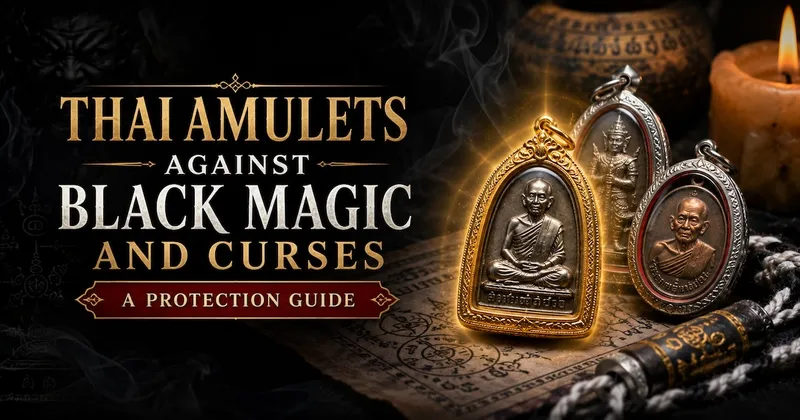
Thai Amulets Against Black Magic and Curses: A Protection Guide
Thai amulets traditionally worn against curses, hexes and spirit interference. How Thao Wessuwan, Phra Pidta, Takrut and Hoon Payon form a layered defense, explained with an honest word of caution.
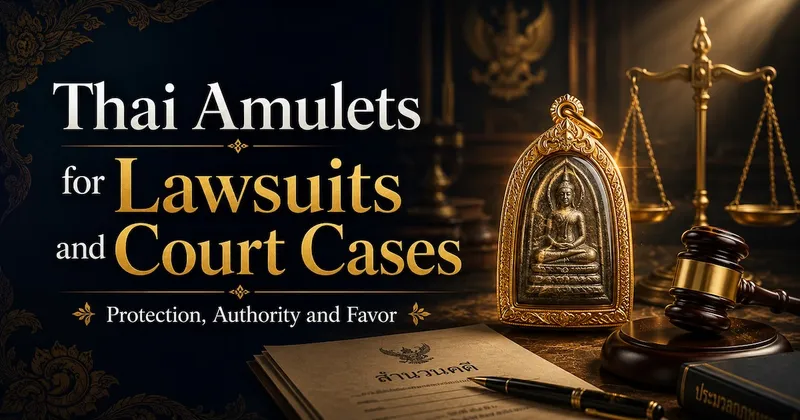
Thai Amulets for Lawsuits and Court Cases: Protection, Authority and Favor
Which Thai amulets are traditionally worn during lawsuits and court cases. How Phra Pidta, Thao Wessuwan and Hoon Payon are used for protection, authority and winning goodwill, explained honestly.
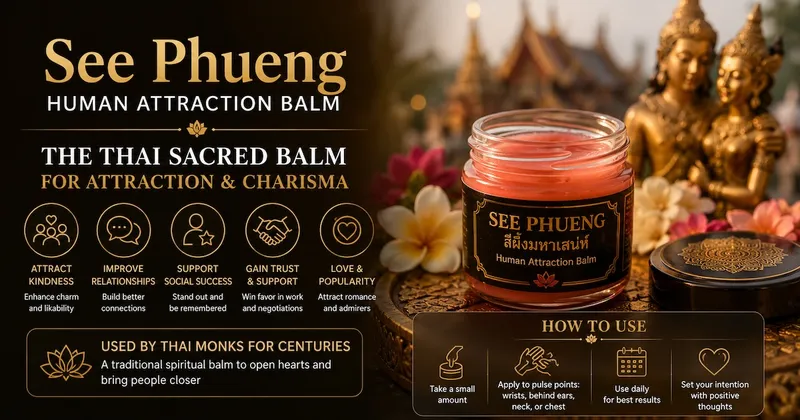
See Phueng: Thailand's Sacred Beeswax Balm for Charm and Popularity
See Phueng (Thai: สีผึ้ง) is a Thai "applied" charm — a sacred beeswax balm boiled up with sacred herbs, gold leaf, and yantra inscriptions. Rather than worn like a pendant, it is dabbed on the lips or face for Metta Maha Niyom (loving-kindness and popularity) and Maha Sanaeh (charm and attraction), boosting likability, romance, and business rapport. This guide explains what it is, its powers, how to apply it, and what to watch for.
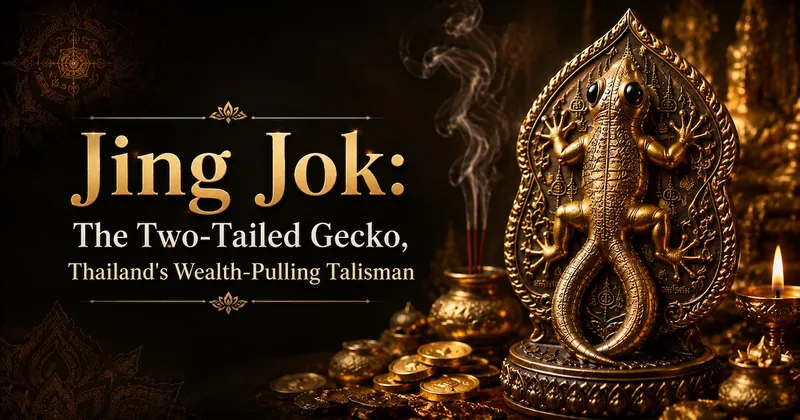
Jing Jok: The Two-Tailed Gecko, Thailand's Wealth-Pulling Talisman
The Jing Jok Song Hang (Thai: จิ้งจกสองหาง), the two-tailed gecko, is a Thai talisman for wealth and charm. Since the animist era, Thais have seen the gecko as a spiritually potent creature able to sense danger and foretell events, and the rare "two-tailed" form is regarded as a spiritual tool to "pull in" wealth and opportunity. It is known for wealth, popularity, charm, business luck, and premonitory protection. This guide covers its origin, powers, and how to keep it.
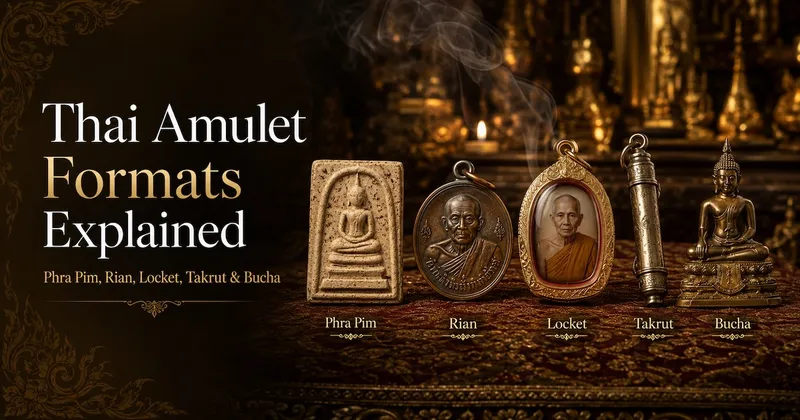
Thai Amulet Formats Explained: Phra Pim, Rian, Locket, Takrut & Bucha
Most people identify a Thai amulet by "who it depicts," but not by its format — the physical form it takes. Thai sacred objects fall into five main formats: the powder tablet (Phra Pim), the coin-medal (Rian), the photo-amulet (Locket), the scroll (Takrut), and the statue (Bucha). This guide explains what each format is, its materials, how it is worn or venerated, and its collectibility, so you can tell at a glance what form a piece takes.
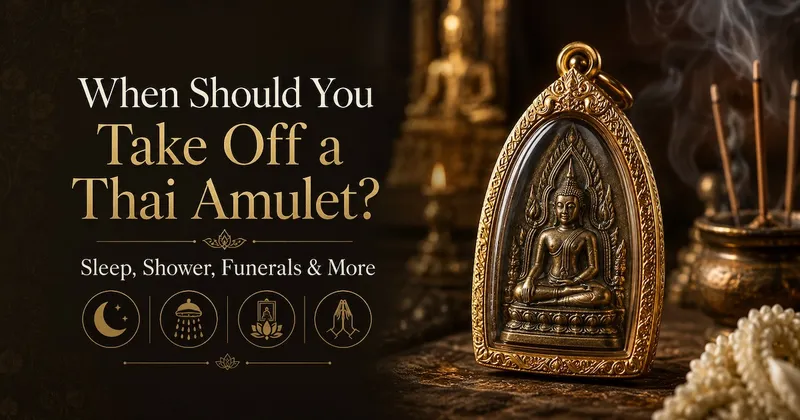
When Should You Take Off a Thai Amulet? Sleep, Shower, Funerals & More
When should you take off a Thai amulet? In truth there are far more situations where you can keep it on than off — the only times to remove it are intimacy, showering, swimming, and hard exercise, while the places people worry about most, like funerals and hospitals, are exactly where an amulet protects you. This guide gives a clear yes/no for sleep, showering, the toilet, intimacy, funerals, hospital visits, and drinking.
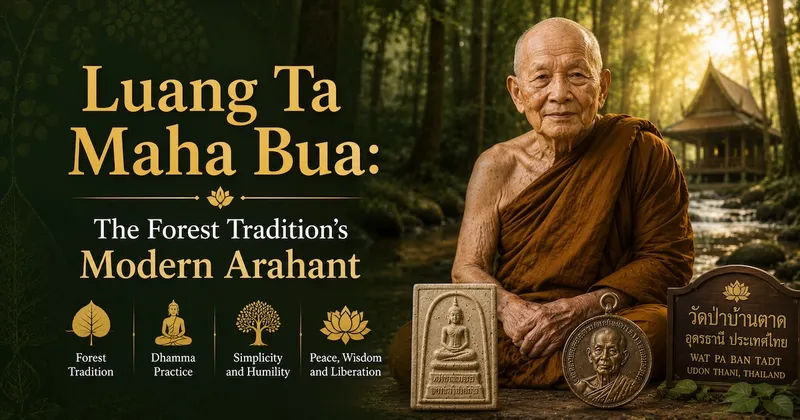
Luang Ta Maha Bua: The Forest Tradition's Modern Arahant
Luang Ta Maha Bua Ñāṇasampanno (1913–2011) was a direct disciple of Ajahn Mun and a grand master of the Thai Forest Tradition, recognized as its head monk from 1994 until his death. He founded Wat Pa Baan Taad in Udon Thani, upheld the dhutanga ascetic practices, and launched the "Save Thai Nation" campaign. His amulets and relics are revered for the purity of his practice rather than worldly magic. This guide covers his life, lineage, and spiritual significance.
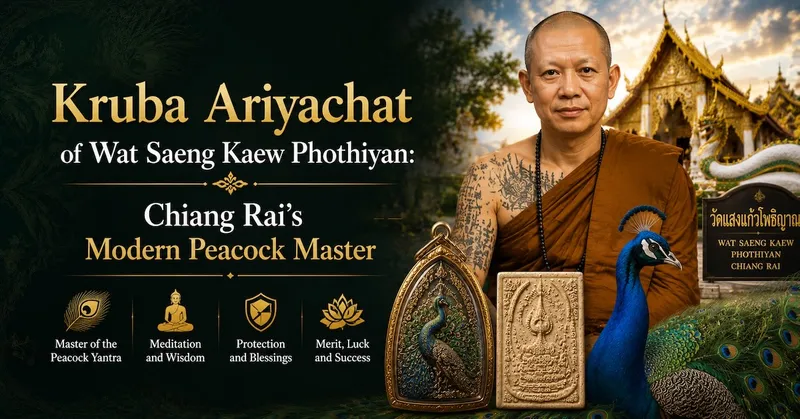
Kruba Ariyachat of Wat Saeng Kaew Phothiyan: Chiang Rai's Modern Peacock Master
Kruba Ariyachat Ariyachitto (born 1981) is the abbot of Wat Saeng Kaew Phothiyan in Chiang Rai and one of the most popular living "Kruba" masters of northern Thailand. He rose to fame after meditating for thirteen days without eating, drinking, or lying down, studied under masters including Kruba Boonchum, and is famous for his peacock-yant amulets, Pidta, Phra Kring, and lockets. This guide covers his life, lineage, temple, and signature amulets.
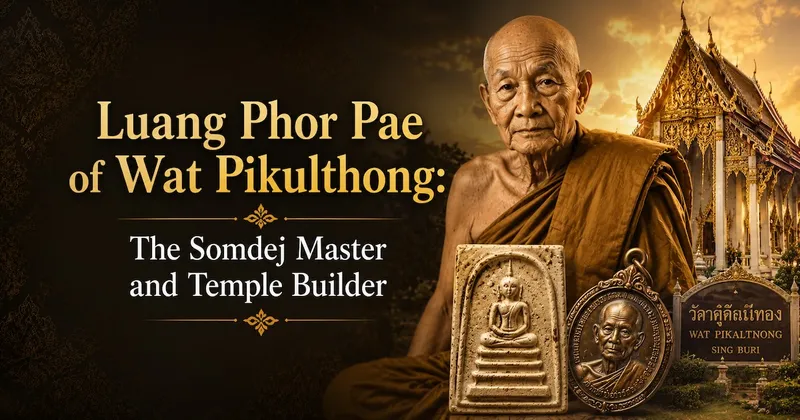
Luang Phor Pae of Wat Pikulthong: The Somdej Master and Temple Builder
Luang Phor Pae Khemangkaro (Thai: หลวงพ่อแพ เขมงฺกโร, 1905–1999) was the abbot of Wat Pikulthong in Singburi, appointed at just 26 and famed across Thailand for his Somdej amulets and temple-building. He blessed his Somdej with the Chinnabanchorn (Jinapanjara) katha, giving them powerful Metta Maha Niyom, and his B.E. 2517 "Rainbow Somdej" is a celebrated piece. This guide covers his life, his Somdej amulets, and his blessing method.
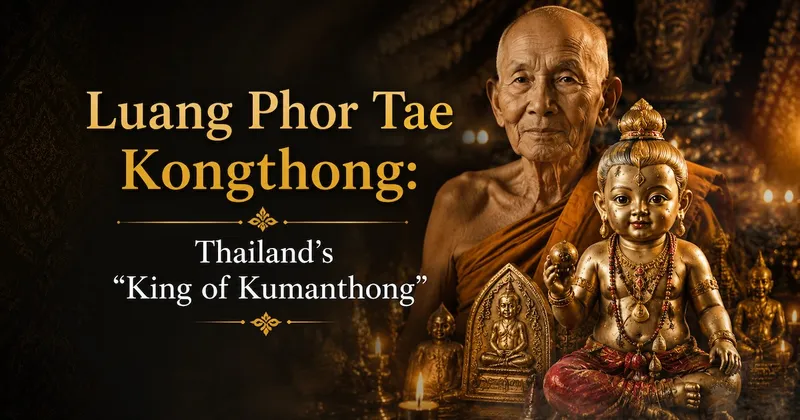
Luang Phor Tae Kongthong: Thailand's "King of Kumanthong"
Luang Phor Tae Kongthong (Thai: หลวงพ่อเต๋ คงทอง, 1891–1981) was the abbot of Wat Sam Ngam in Nakhon Pathom, revered as Thailand's "King of Kumanthong." Famous for making Kumanthong through White Magic — Wat Sam Ngam being among the first temples in Thailand to do so — he was also renowned for his tiger-hide takrut. This guide covers his life, lineage, signature amulets, and his founding role in the Kumanthong tradition.
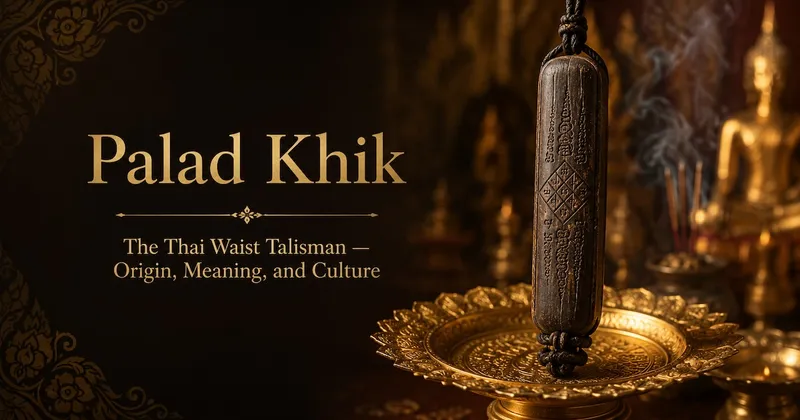
Palad Khik: The Thai Waist Talisman — Origin, Meaning, and Culture
Palad Khik (Thai: ปลัดขิก) is a phallic talisman rooted in the Indian Shiva Lingam tradition and brought into Thailand via the Khmer. "Palad Khik" means "honorable surrogate," a symbol of life-force and protection, kept for warding off danger, wealth, popularity, and charm — traditionally worn tied at the waist under clothing rather than around the neck. This cultural guide explains its origin, meaning, wearing customs, and place in Thai folk belief.
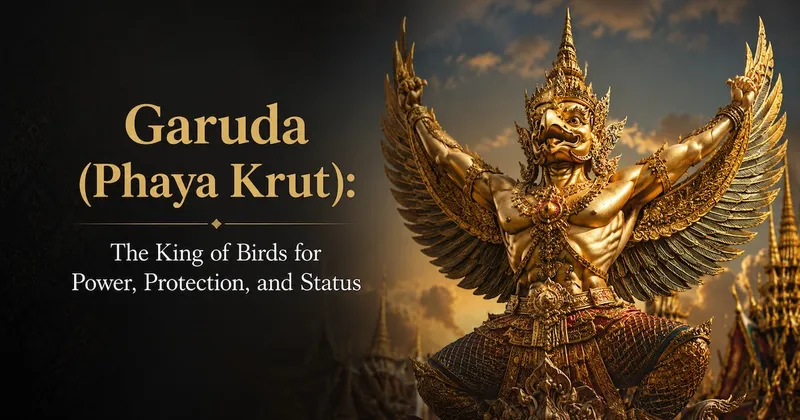
Garuda (Phaya Krut): The King of Birds for Power, Protection, and Status
Garuda (Thai: พญาครุฑ, Phaya Krut) is the mount of Vishnu, king of birds and eternal enemy of the Naga, and the emblem of the Thai monarchy and government. Garuda amulets are renowned for commanding authority, elevating status, destroying black magic and evil spirits, and bringing wealth and promotion — favored by civil servants, military and police, business owners, and those in positions of power. This guide covers the mythology, powers, who should wear it, and how to pair it.
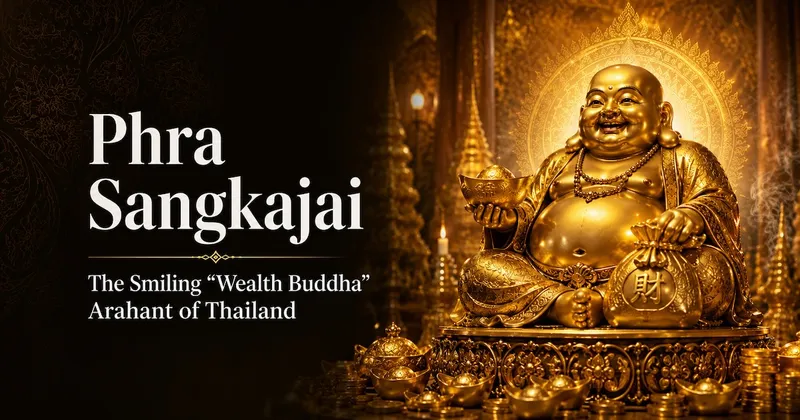
Phra Sangkajai: The Smiling "Wealth Buddha" Arahant of Thailand
Phra Sangkajai (Thai: พระสังกัจจายน์) is the plump, smiling form of the Buddha's disciple Maha Kaccayana, revered across Thailand as the "Wealth Buddha" for prosperity, contentment, and wisdom in speech. He is a Buddhist (yang) amulet, and although often confused with the Chinese Laughing Buddha (Budai), the two come from different traditions. This guide covers his story, how he differs from Budai, his powers, and who should wear him.
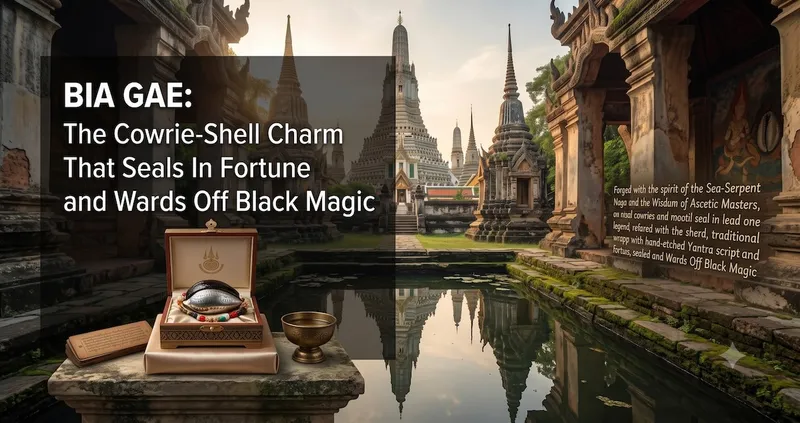
Bia Gae: The Cowrie-Shell Charm That Seals In Fortune and Wards Off Black Magic
Bia Gae (Thai: เบี้ยแก้) is a Thai charm made by sealing consecrated mercury, sacred powder, and silver takrut inside a cowrie shell. "Bia" means cowrie; "gae" means to remedy or ward off — and since cowries were once currency, sealing one symbolizes "plugging the leaks" of fortune. Bia Gae is renowned for repelling black magic, correcting bad luck, and drawing wealth, and its orthodox source is the lineage of Luang Pu Bun at Wat Klang Bang Kaew. This guide covers how it is made, its powers, and how to judge one.
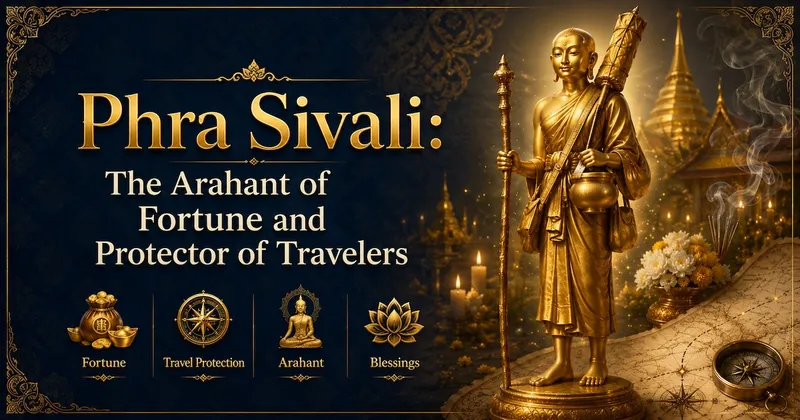
Phra Sivali: The Arahant of Fortune and Protector of Travelers
Phra Sivali is the arahant abundance followed everywhere, revered for wealth and safe travel. His story, why he is a yang amulet, and who should wear him.
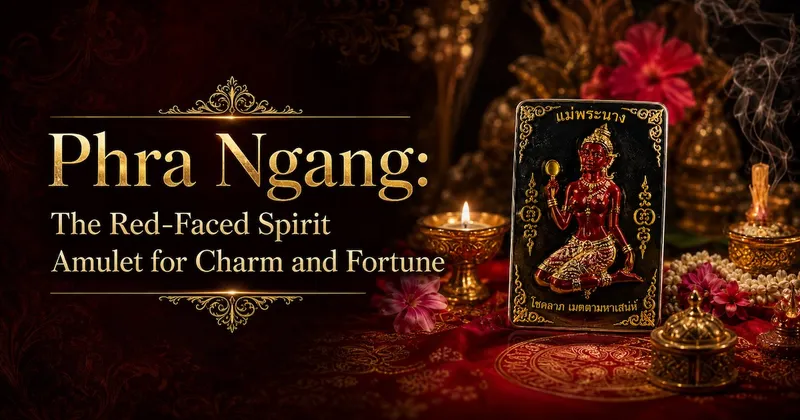
Phra Ngang: The Red-Faced Spirit Amulet for Charm and Fortune
Phra Ngang (Thai: พระงั่ง) is a red-faced spirit amulet rooted in Khmer sorcery and popular across Thailand, known for its fierce red eyes and half-smiling seated form. It is kept for charm, attraction, people-skills, and gambling luck, and is favored by those in nightlife and business. It is direct in effect and heavy in taboo: never worn around the neck, given fresh water daily, and never offered lotus flowers. This guide covers its origin, powers, offerings, and the cautions every newcomer must know.
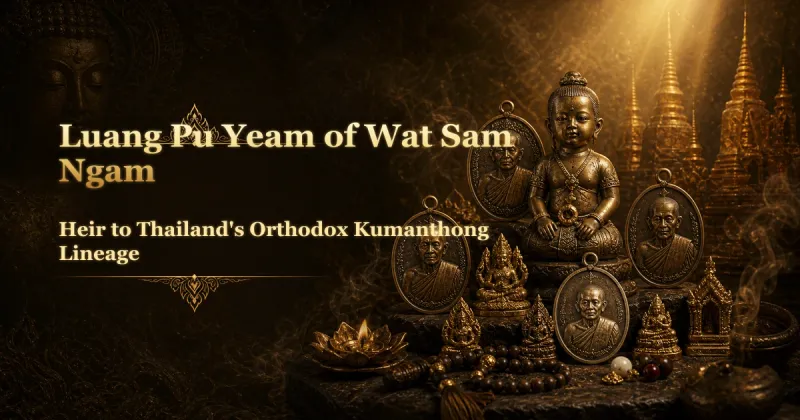
Luang Pu Yeam of Wat Sam Ngam: Heir to Thailand's Orthodox Kumanthong Lineage
Luang Pu Yeam Thanayooto (หลวงปู่แย้ม ฐานยุตโต) is a monk of Wat Sam Ngam in Nakhon Pathom, recognized as a direct disciple of Luang Phor Tae Kongthong, the "King of Kumanthong." Ordained under Luang Phor Tae at Wat Sam Ngam in 1938, he inherited his master's meditation and sacred arts and carried on the temple's White-Magic Kumanthong lineage. This guide explains the Tae-to-Yeam lineage, why Wat Sam Ngam Kumanthong is considered orthodox, and how to keep one.
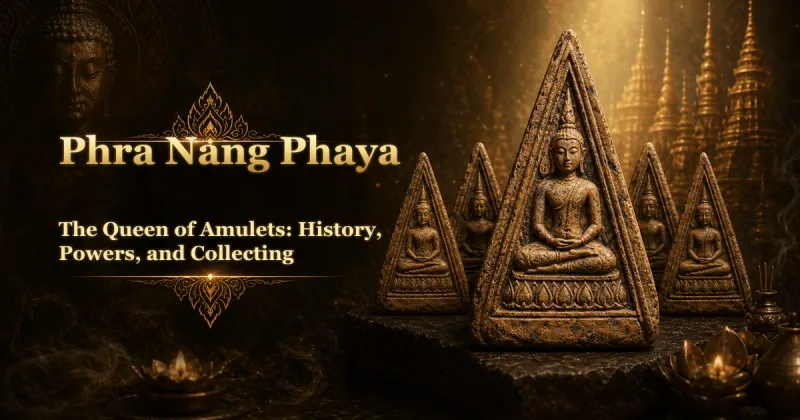
Phra Nang Phaya: The "Queen of Amulets" — History, Powers, and Collecting
Phra Nang Phaya is one of Thailand's five Benjapakee amulets, from Wat Nang Phaya in Phitsanulok, commissioned in the Ayutthaya era and famously unearthed in large numbers in 1901. A triangular clay tablet with soft, spare lines, it is revered as the "Queen of Amulets" opposite the Phra Somdej "King," prized for charm, prestige, and gentle protection. This guide covers its origin, artistic marks, powers, and the collecting reality for ordinary buyers.
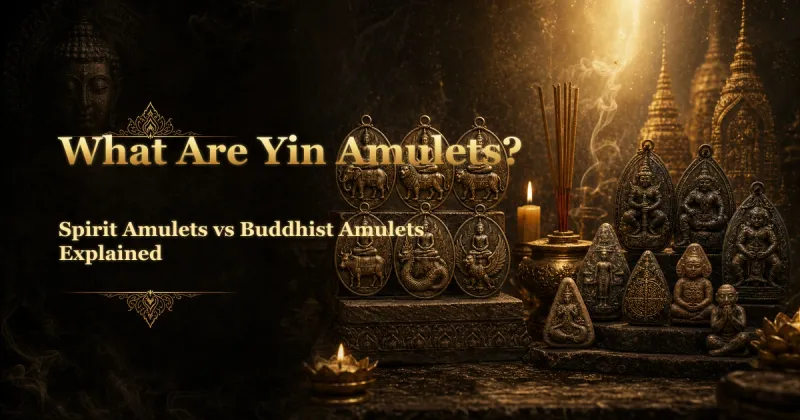
What Are "Yin" Amulets? Spirit Amulets vs Buddhist Amulets Explained
"Yin" amulets are the class of Thai sacred objects empowered by summoning a spirit — a departed soul, a child spirit, or a nature spirit — as opposed to "yang" amulets consecrated purely through the Buddha's teachings and a monk's meditative power. This guide explains what yin amulets are, how they differ from Buddhist amulets, the main types (Kumanthong, Hoon Payon, Phra Ngang, prai oils), care taboos, and how beginners should approach them.
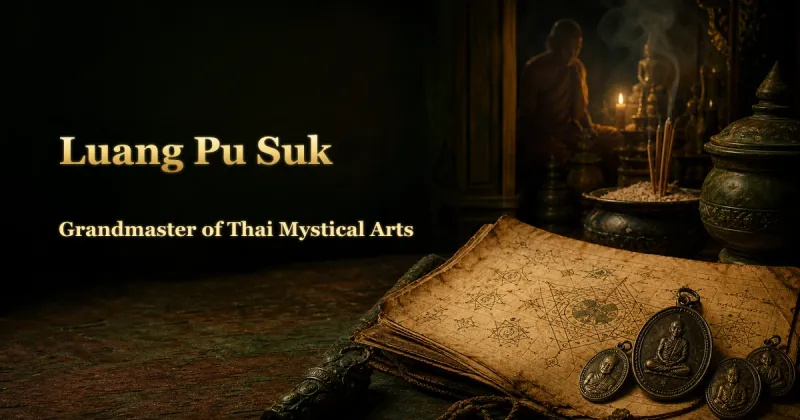
Luang Pu Suk: Grandmaster of Thai Mystical Arts
Luang Pu Suk Kesaro of Wat Pak Khlong Makham Thao (1847-1923) is Thai tradition's supreme master of wicha — the mystical arts. Prince Chumphon, father of the Royal Thai Navy, became his devoted disciple, sealing a legend told through a century of transformation folklore. His Phra Pidta of BE 2464-2466 and hand-inscribed takrut rank among Thailand's most treasured amulets. Here is his story.
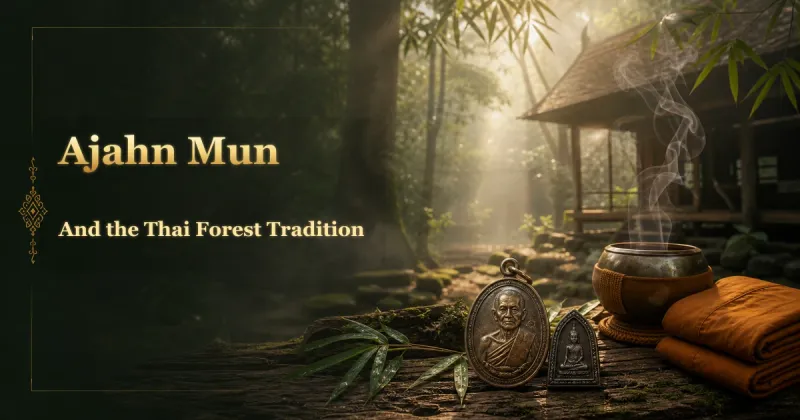
Ajahn Mun and the Thai Forest Tradition
Ajahn Mun Bhuridatta (1870-1949) founded the Thai Forest Tradition — and made almost no amulets, which is precisely why everything connected to him is so revered. This guide covers his wandering life, why devotees report his relics crystallized, what collectors actually acquire (posthumous medallions and disciples' pieces), and how a lineage built on renunciation became one of Thailand's most trusted.
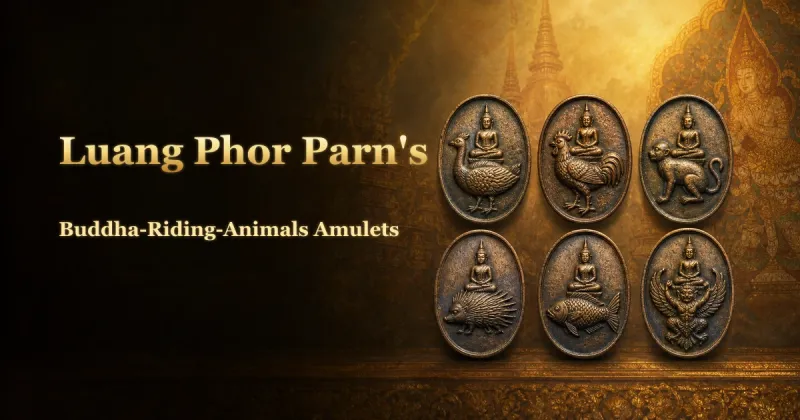
Luang Phor Parn's Buddha-Riding-Animals Amulets
Luang Phor Parn of Wat Bang Nom Kho (1875-1938) created Thai amulet history's most charming iconography: the Buddha riding Garuda, Hanuman, a fighting cock, a fish, a bird, and a porcupine — each mount carrying its own blessing. Empowered for three months per batch, his pieces are among Ayutthaya's most miracle-storied classics. Here are the six mounts and their meanings, the history, and collecting guidance.
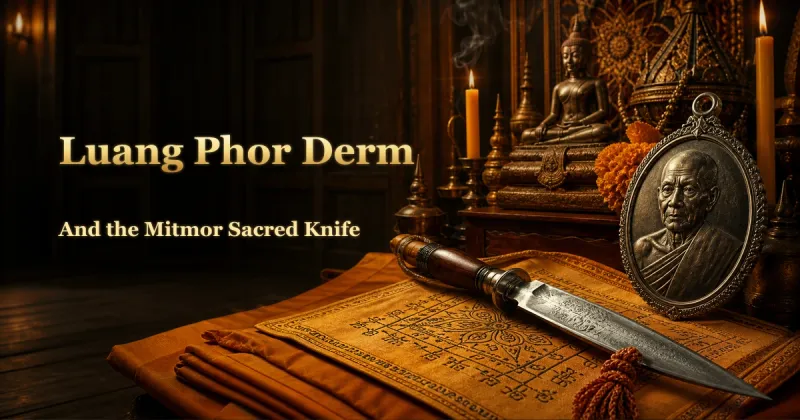
Luang Phor Derm and the Mitmor Sacred Knife
Luang Phor Derm of Wat Nong Pho (1861-1951), revered as the God of Nakhon Sawan, forged Thailand's most famous ritual blade: the mitmor, the "knife that conquers enemies," believed to cut through curses, spirits, and misfortune itself. His disciples included Luang Phor Kuay and Luang Phor Jarun. This guide covers his life, the knife tradition, its powers and etiquette, and collecting guidance.