Amulet Knowledge
Learn about Thai amulet culture, consecration rituals, and buying guides
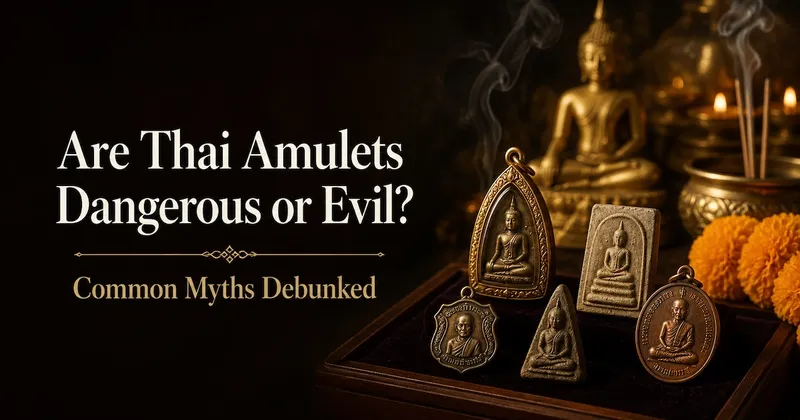
Are Thai Amulets Dangerous or Evil? Common Myths Debunked
The fear that Thai amulets are dangerous or evil comes from confusing the whole tradition with a tiny niche of spirit amulets. Mainstream amulets are consecrated Buddhist objects. This guide debunks the myths and gives three sensible tests for peace of mind.
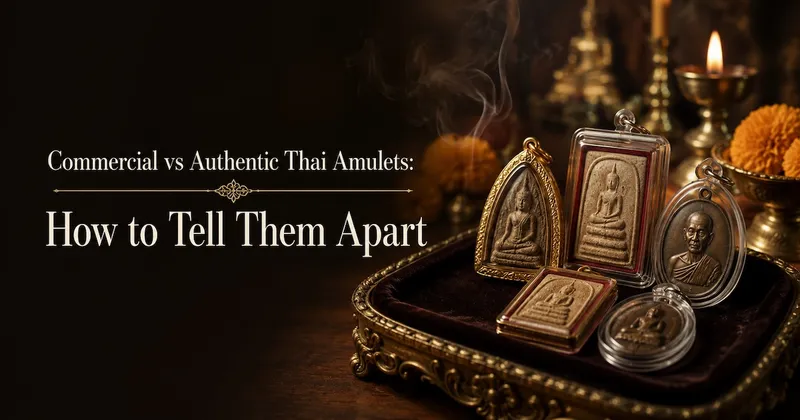
Commercial vs Authentic Thai Amulets: How to Tell Them Apart
A commercial amulet is mass-produced and unconsecrated; an authentic one is temple-made from sacred materials and blessed by monks. Learn why commercial pieces fall short and the three-step check — provenance, material, channel — that keeps you from overpaying for a pendant.
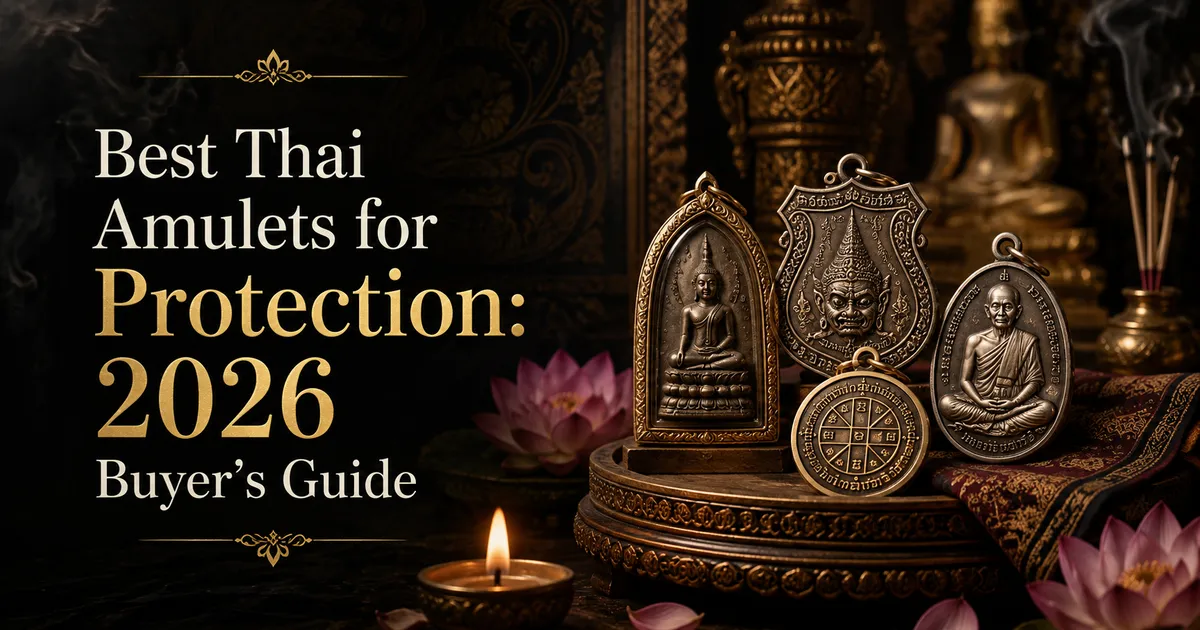
Best Thai Amulets for Protection: 2026 Buyer's Guide
The Thai amulets actually worth considering for protection: Phra Pidta, Luang Phor Thuad, the tiger monk, Garuda and takrut, and what each one guards against.
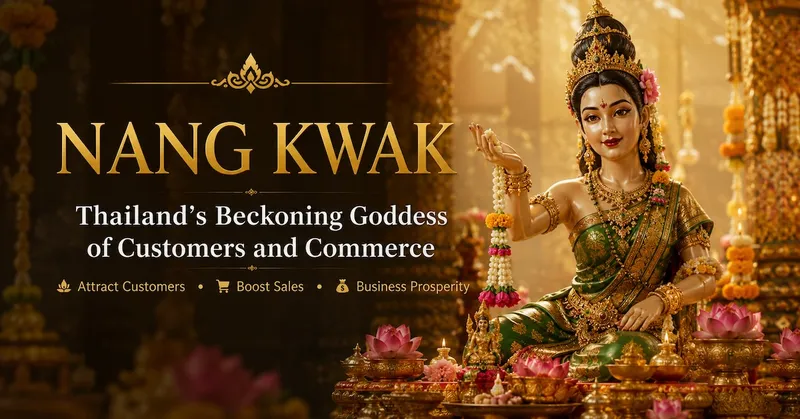
Nang Kwak: Thailand's Beckoning Goddess of Customers and Commerce
Nang Kwak, the kneeling goddess who beckons customers to a shop, is Thailand's homegrown deity of commerce. What she governs, how she differs from Lakshmi, and how merchants honor her.
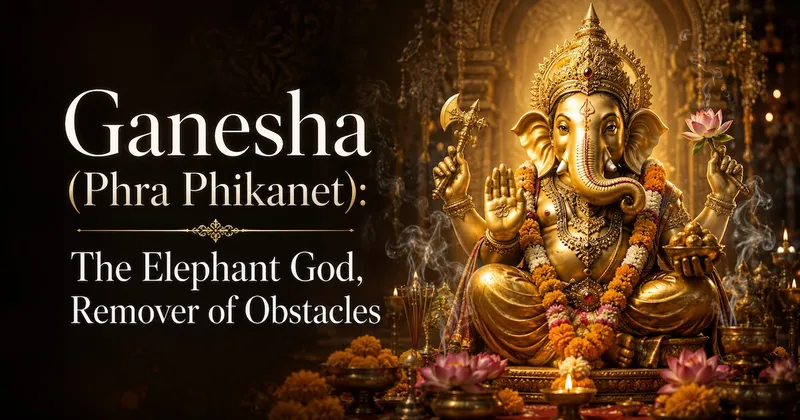
Ganesha (Phra Phikanet): The Elephant God, Remover of Obstacles
Ganesha, Thailand's beloved elephant-headed god, is the remover of obstacles and patron of wisdom, arts, and new beginnings. What he governs, his link to Shiva, and who turns to him.
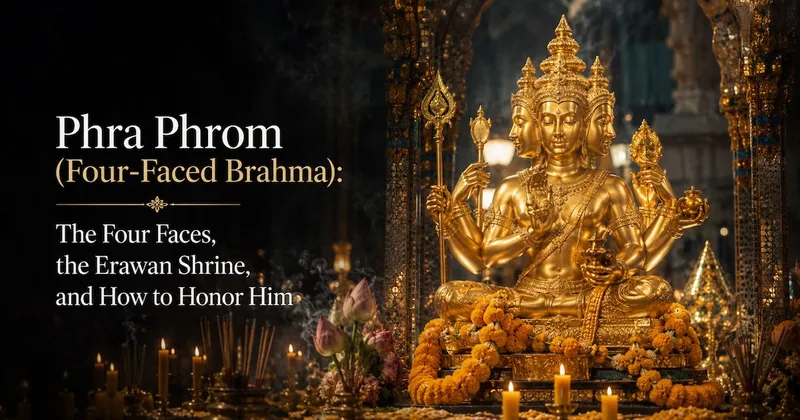
Phra Phrom (Four-Faced Brahma): The Four Faces, the Erawan Shrine, and How to Honor Him
Phra Phrom, the four-faced Brahma of the Erawan Shrine, is Thailand's most petitioned deity — an all-rounder for career, love, wealth, and health. What the four faces mean and how he is honored.
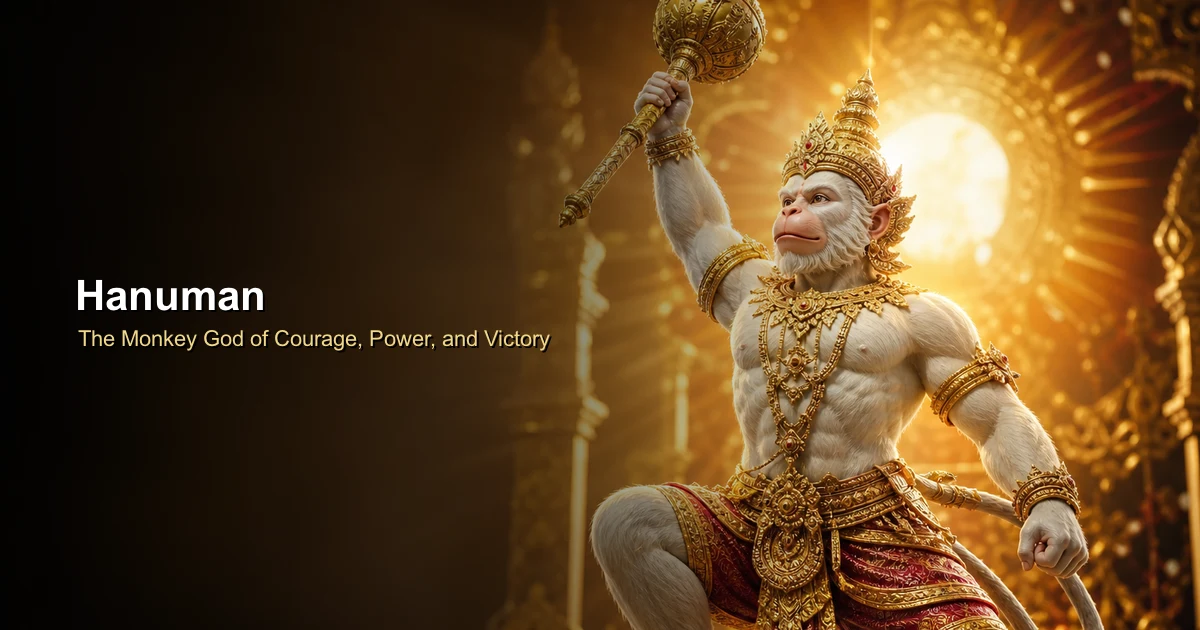
Hanuman: The Monkey God of Courage, Power, and Victory
Hanuman, the mighty monkey-warrior of the Ramakien, embodies courage, unstoppable strength, and the will to win. His domain, his link to Rama and Garuda, and who turns to him.
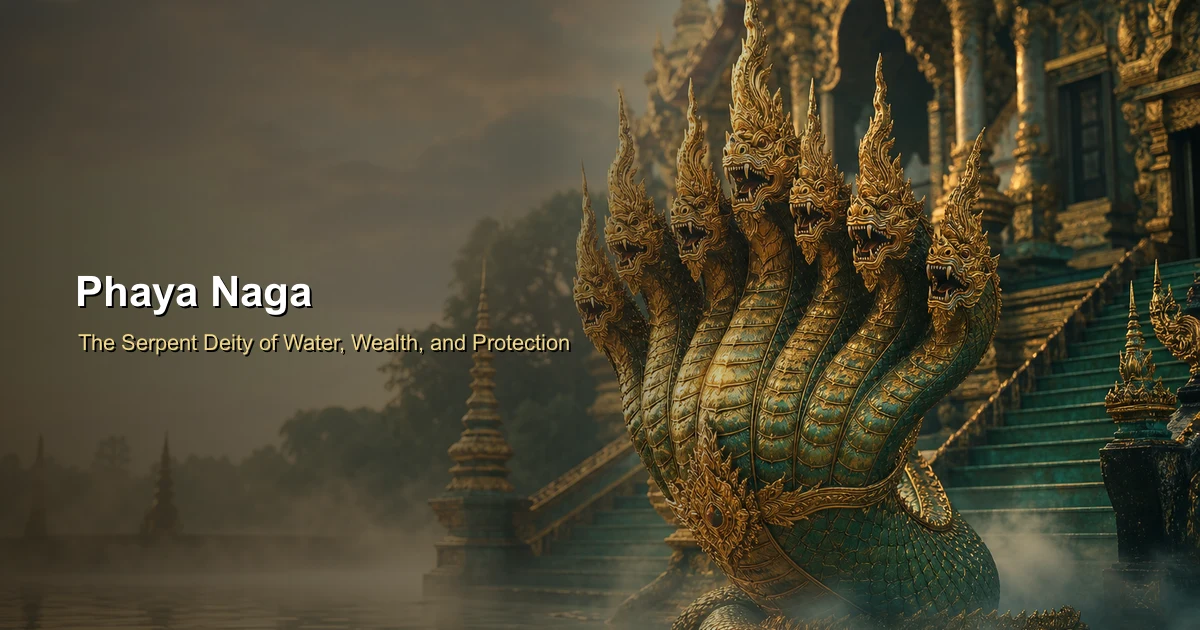
Phaya Naga: The Serpent Deity of Water, Wealth, and Protection
The great serpent-deity of the Mekong bridges Hindu and Buddhist worlds — guardian of sacred waters and treasure, protector of the Dhamma. What the Naga governs and how it is honored.
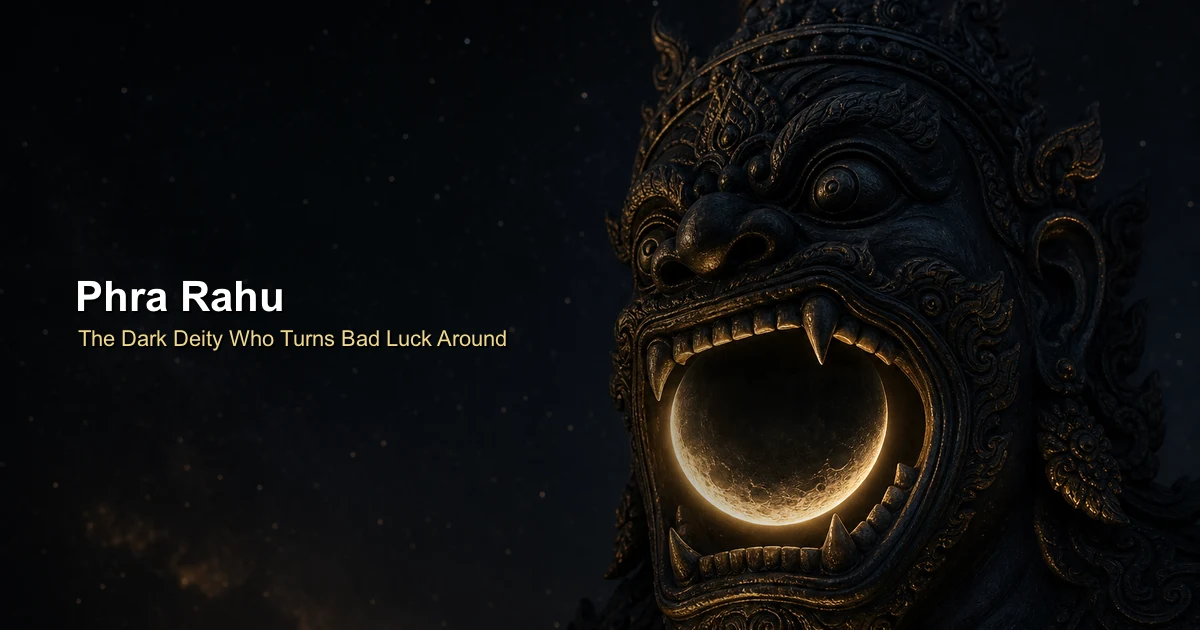
Phra Rahu: The Dark Deity Who Turns Bad Luck Around
Phra Rahu, who swallows the sun and moon, is honored to break a run of bad luck, ward off a bad year, and turn crisis into opportunity. His domain, the eight black offerings, and how to work with him.
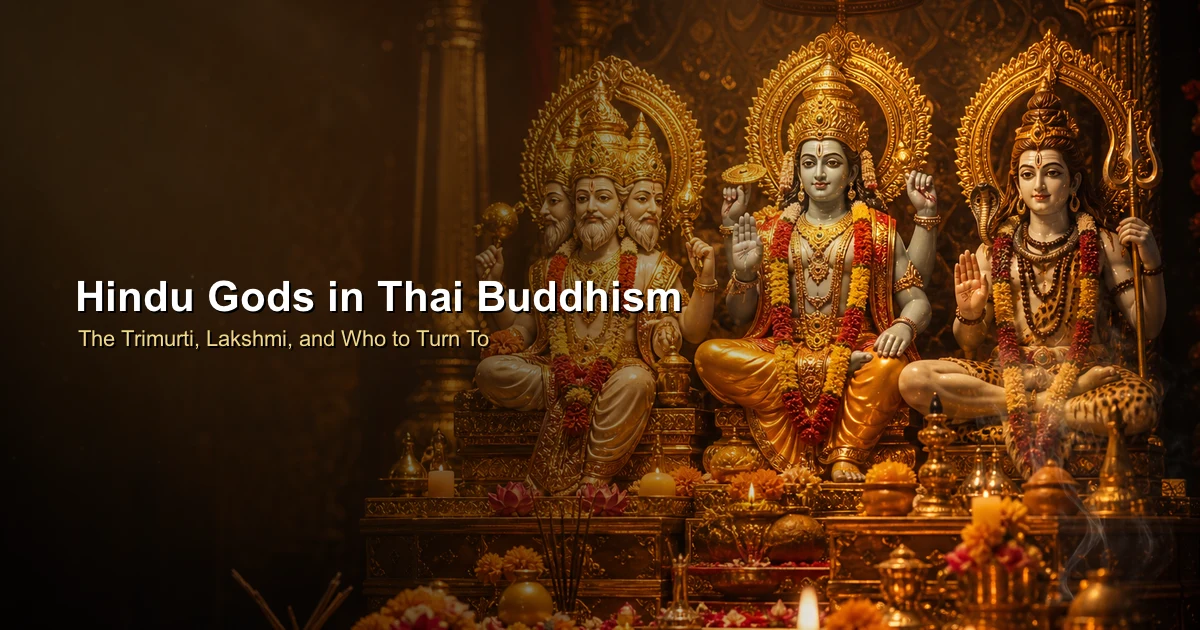
Hindu Gods in Thai Buddhism: The Trimurti, Lakshmi, and Who to Turn To
Why Thai Buddhists venerate Hindu gods — a map of Brahma (Phra Phrom), Vishnu (Phra Narai), Shiva (Phra Isuan), and Lakshmi, and a practical guide to which deity governs what.
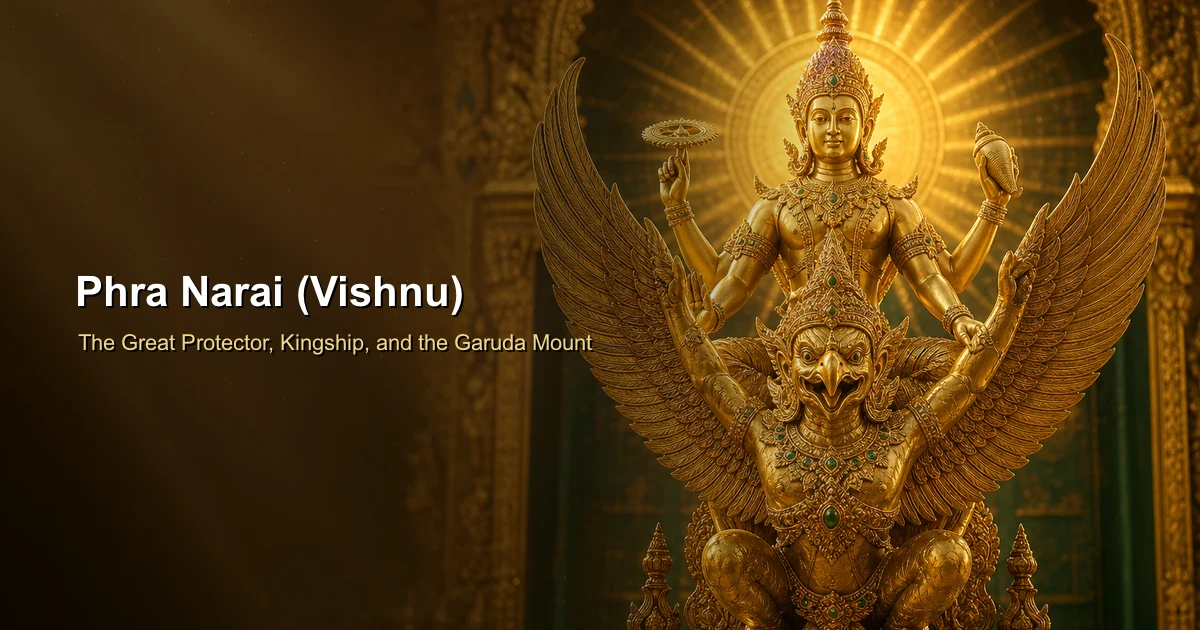
Phra Narai (Vishnu): The Great Protector, Kingship, and the Garuda Mount
Phra Narai is Vishnu, the preserver-god honored for protection, authority, and status — tied to Thai kingship, riding Garuda, and father of the avatars Rama and Krishna.
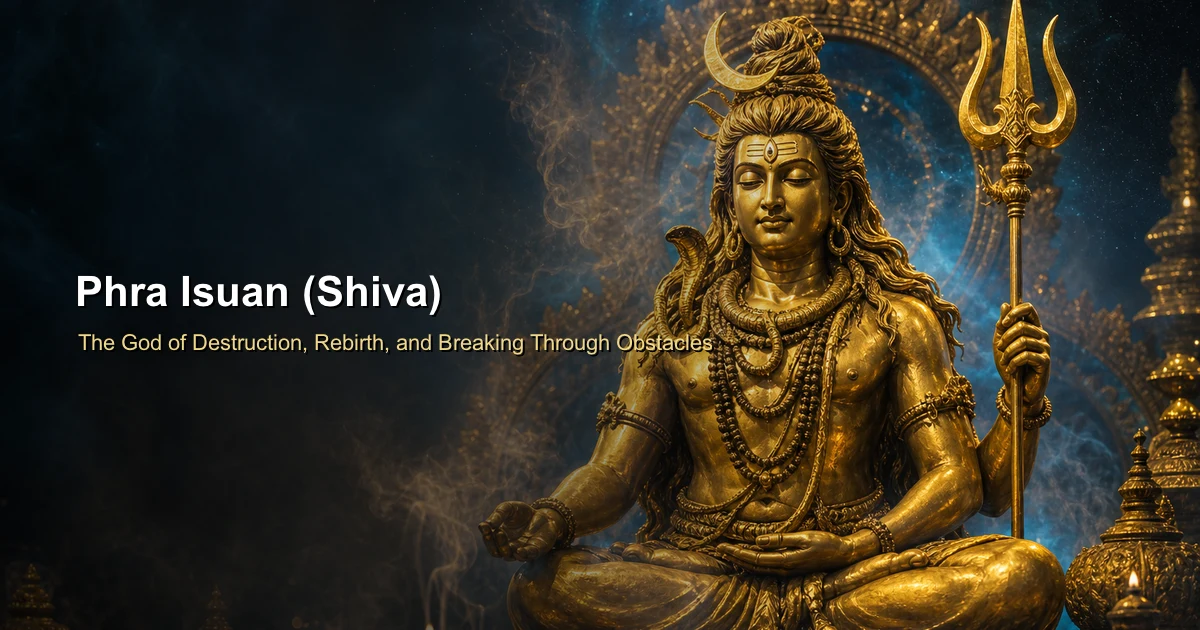
Phra Isuan (Shiva): The God of Destruction, Rebirth, and Breaking Through Obstacles
Phra Isuan is Shiva, the supreme destroyer and transformer honored in Thailand for breakthroughs, turnarounds, and clearing deep obstacles. His domain, iconography, and his son Ganesha.
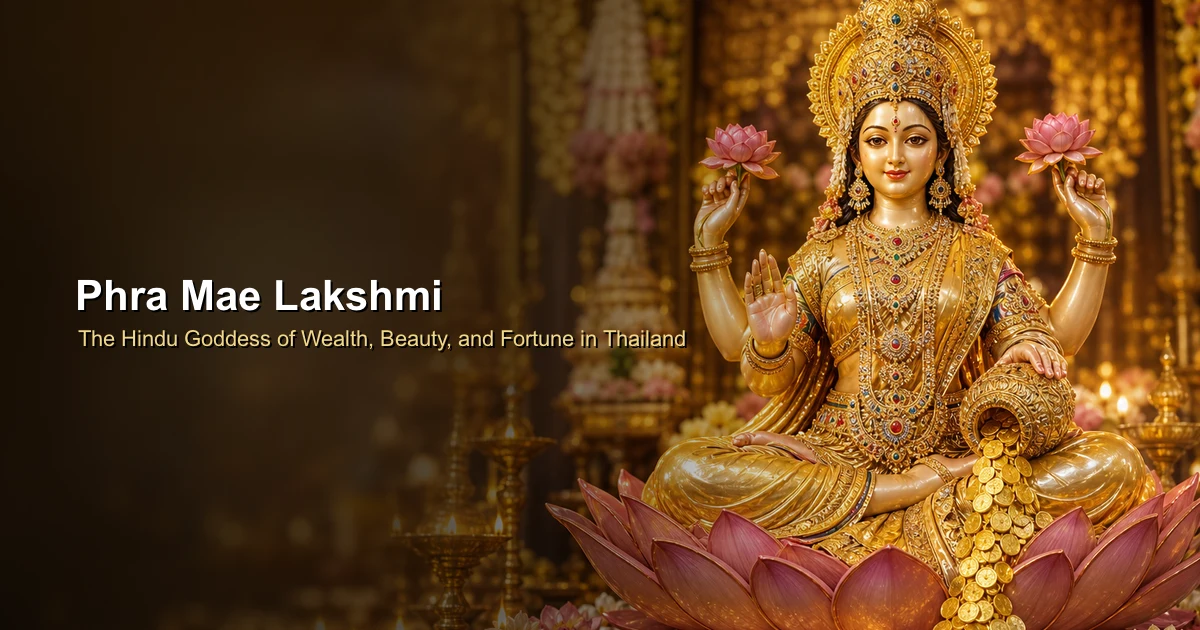
Phra Mae Lakshmi: The Hindu Goddess of Wealth, Beauty, and Fortune in Thailand
Lakshmi is the Hindu goddess of wealth, beauty, and abundance, beloved across Thailand — especially by women. What she governs, how she differs from Nang Kwak, and how she is honored.
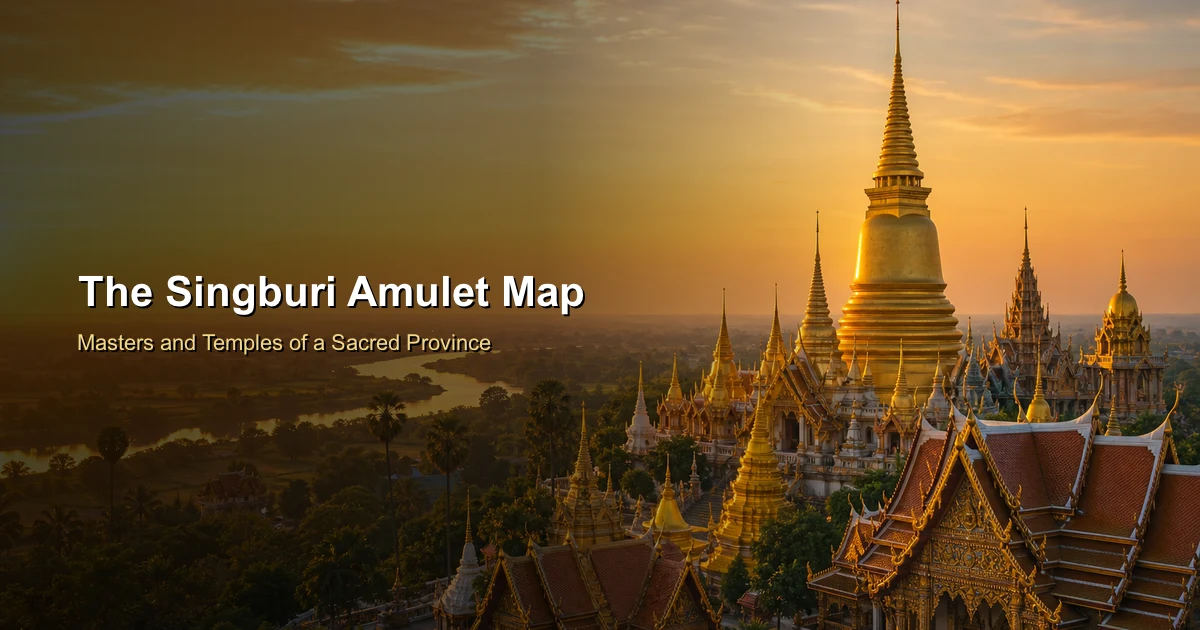
The Singburi Amulet Map: Masters and Temples of a Sacred Province
A small central-plains province with an outsized amulet reputation. The masters — Luang Pho Jaran, Luang Pho Pae, Luang Pho Chai — the temples to know, and how to build a Singburi set.
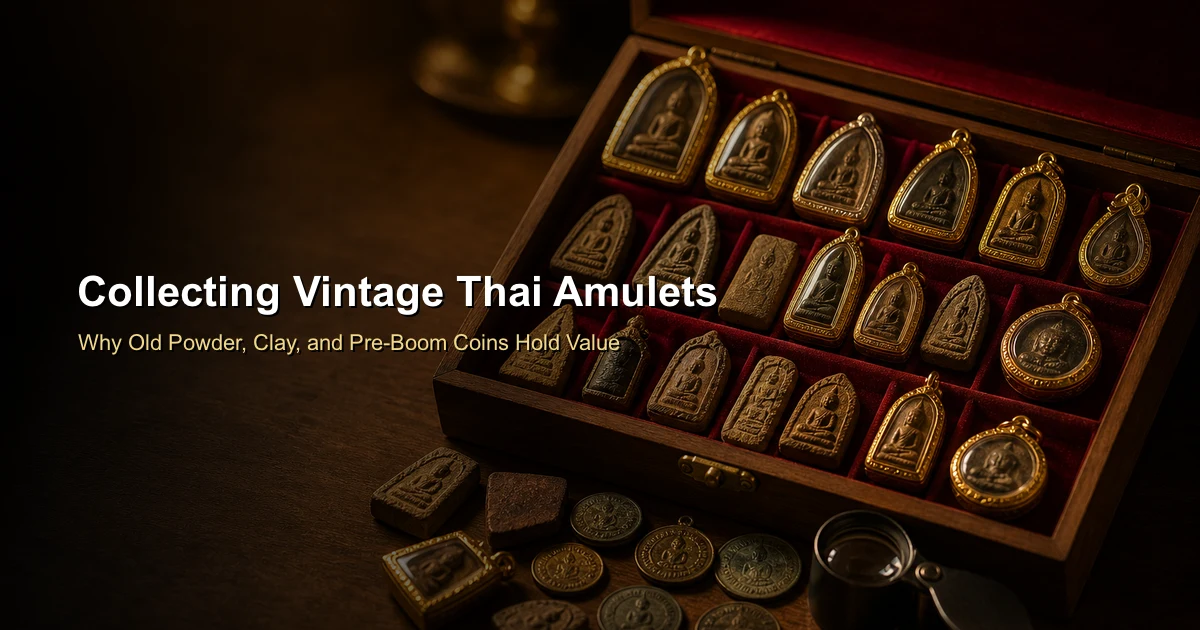
Collecting Vintage Thai Amulets: Why Old Powder, Clay, and Pre-Boom Coins Hold Value
The four pillars of vintage amulet value, the main categories to know, real examples in our collection, and how to buy old pieces without getting burned.
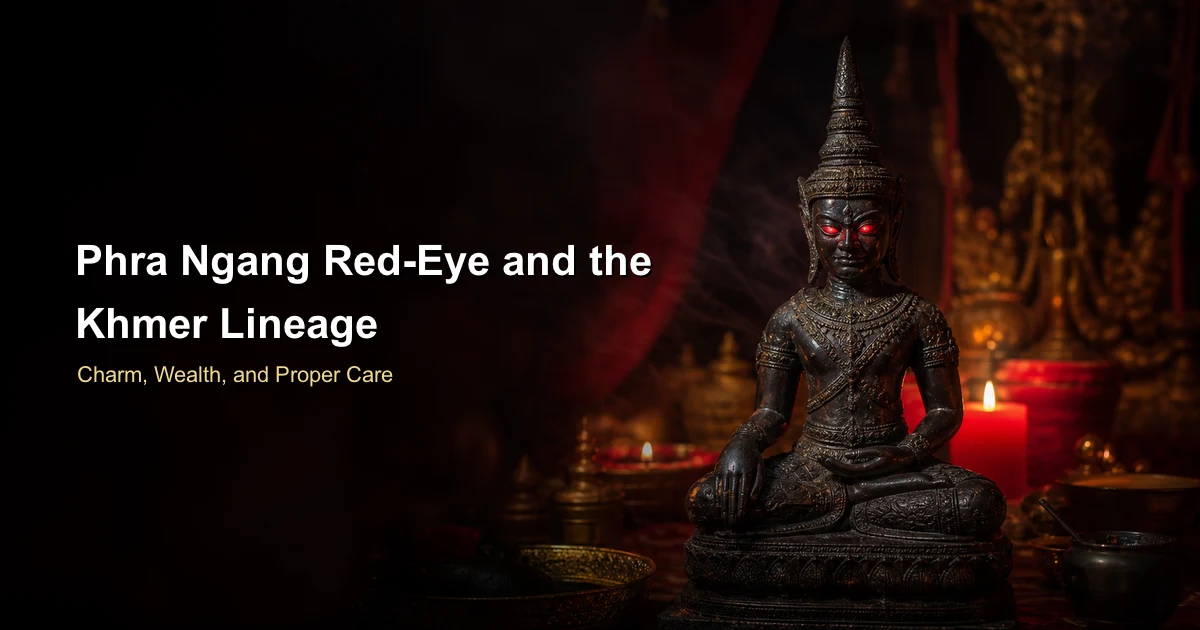
Phra Ngang Red-Eye and the Khmer Lineage: Charm, Wealth, and Proper Care
A deeper look at the Khmer sorcery lineage behind Phra Ngang, why collectors chase the red-eye variant, and how to wear and honor a spirit amulet — with two Luang Pho Koy pieces.
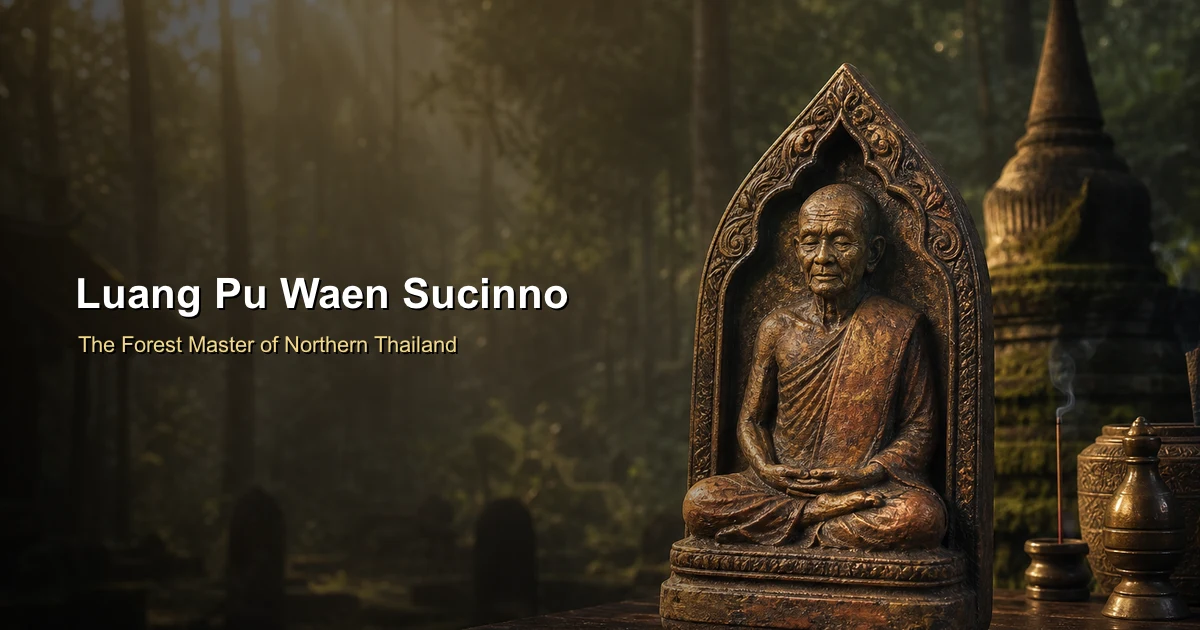
Luang Pu Waen Sucinno: The Forest Master of Northern Thailand
A forest master even kings came to see. Luang Pu Waen's place in the lineage of Ajahn Mun, why his amulets are trusted, and a golden-period sacred clay piece from Wat Doi Mae Pang.
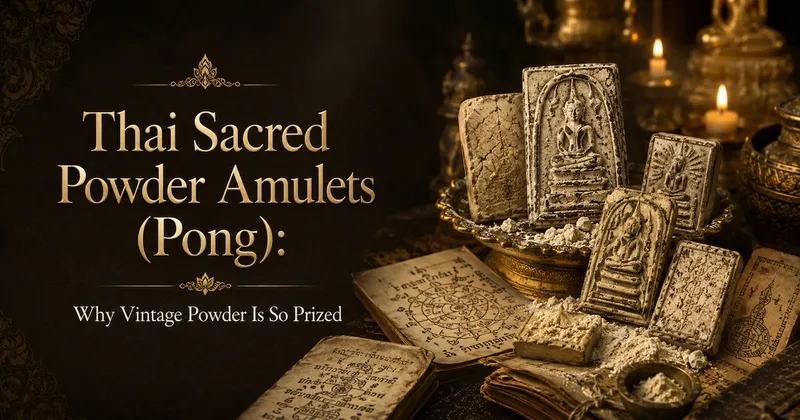
Thai Sacred Powder Amulets (Pong): Why Vintage Powder Is So Prized
What sacred powder really is, the legendary Itthije Maha Phut formula, why old powder commands a premium, and how to read and care for a vintage powder amulet.
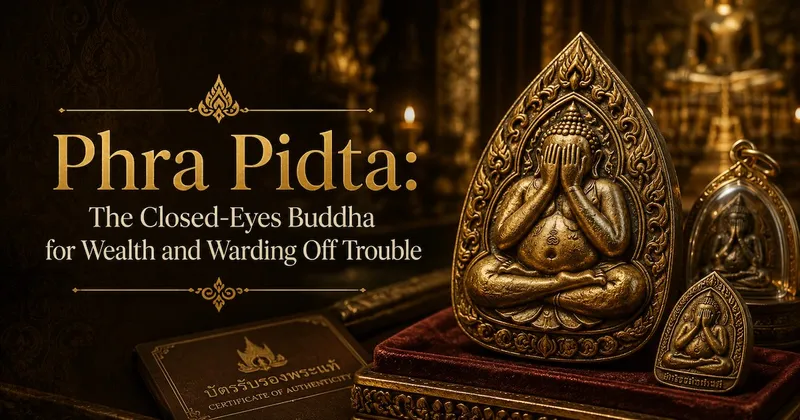
Phra Pidta: The Closed-Eyes Buddha for Wealth and Warding Off Trouble
The closed-eyes Buddha seals wealth in and conflict out, the shopkeeper's amulet. What Phra Pidta means, and a final-year Luang Pho Pae piece in stock.
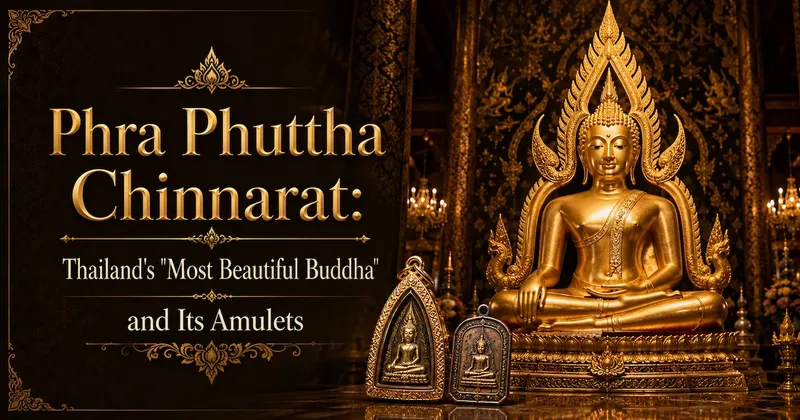
Phra Phuttha Chinnarat: Thailand's "Most Beautiful Buddha" and Its Amulets
The Success Buddha of Phitsanulok is Thailand's most admired Buddha image. Its meaning, why collectors love it, and a genuine seventy-year-old powder amulet in a legendary formula.
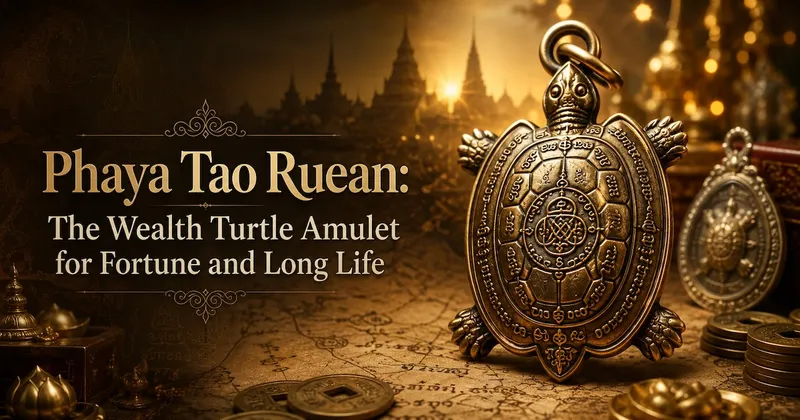
Phaya Tao Ruean: The Wealth Turtle Amulet for Fortune and Long Life
The wealth turtle is about patient, secure accumulation — not lottery luck. What Phaya Tao Ruean means, the great turtle lineages, and a first-edition piece from a late forest master.
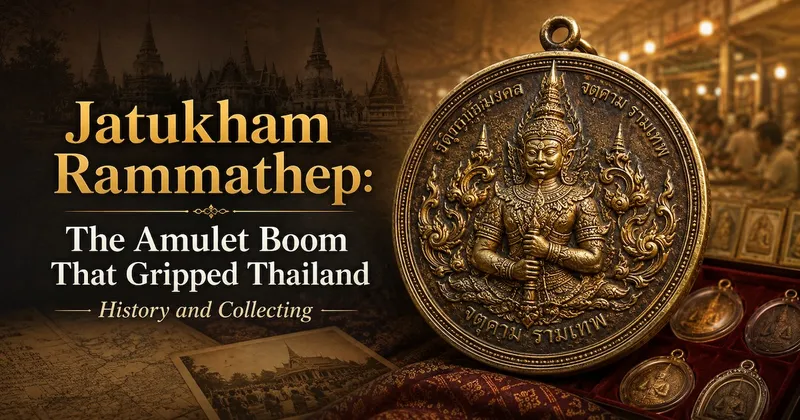
Jatukham Rammathep: The Amulet Boom That Gripped Thailand — History and Collecting
The 2007 Jatukham craze moved billions of baht before it crashed. Where the amulet came from, why the boom happened, and how to tell a valuable pre-boom piece from the mass-produced rest.
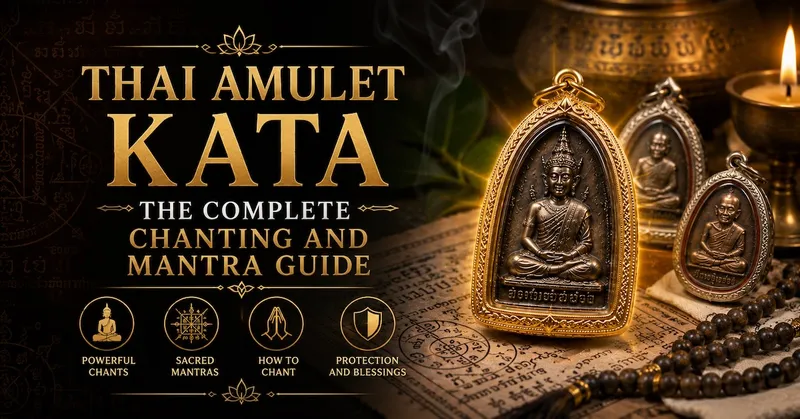
Thai Amulet Kata: The Complete Chanting and Mantra Guide
How to chant a Thai amulet kata correctly. The Namo tassa homage, the structure of a recitation, where to get the right kata, and a simple one-minute daily routine.
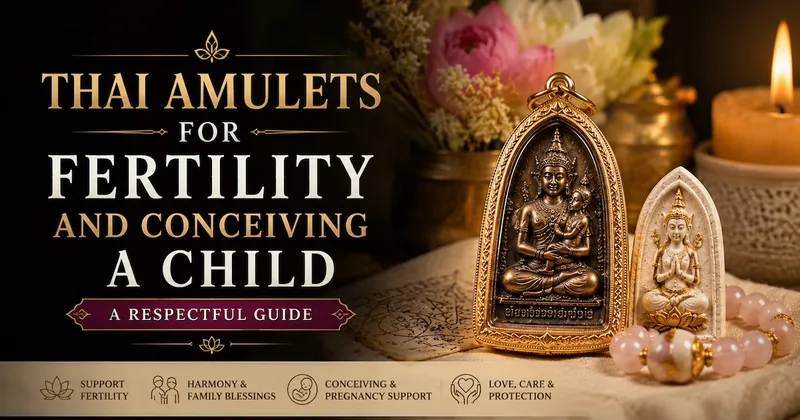
Thai Amulets for Fertility and Conceiving a Child: A Respectful Guide
The Thai figures traditionally connected with seeking children, Phra Phrom and Kumanthong, explained respectfully and realistically, alongside a caring word about proper medical care.