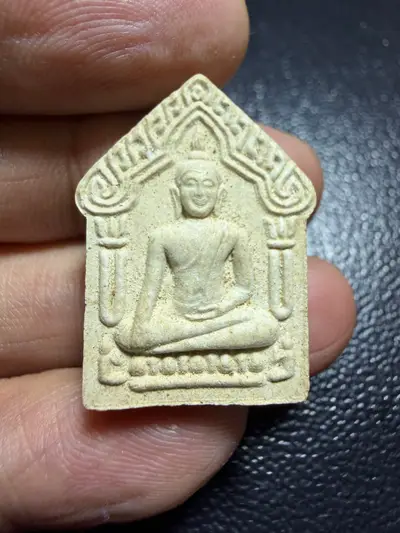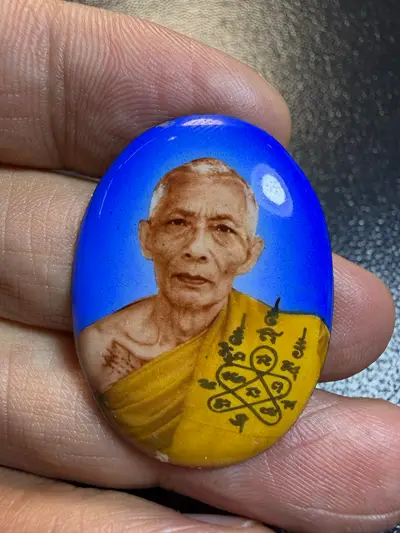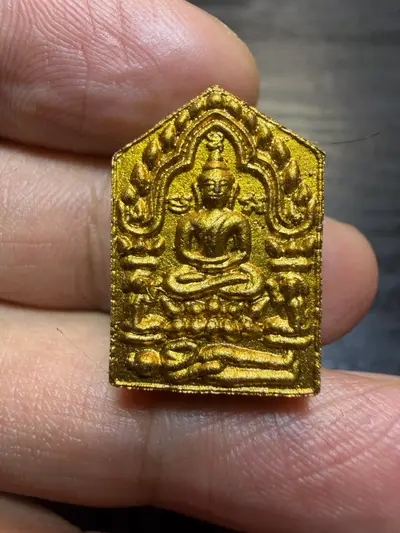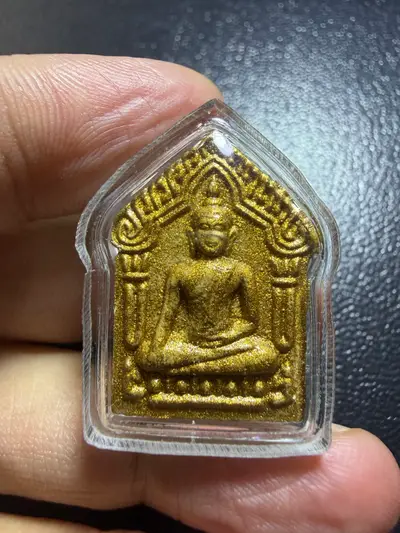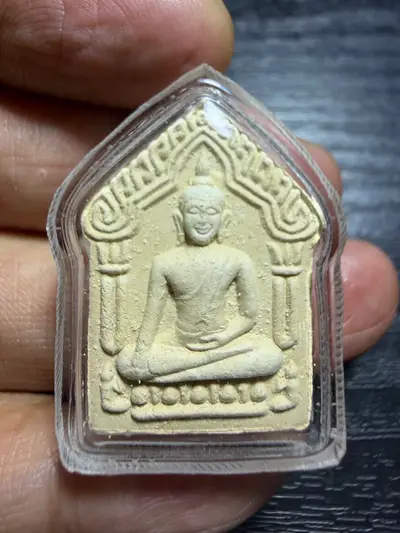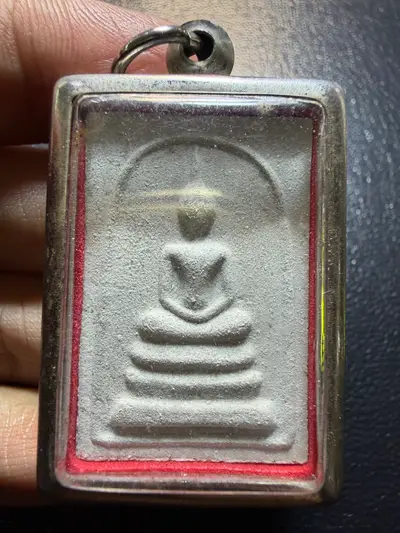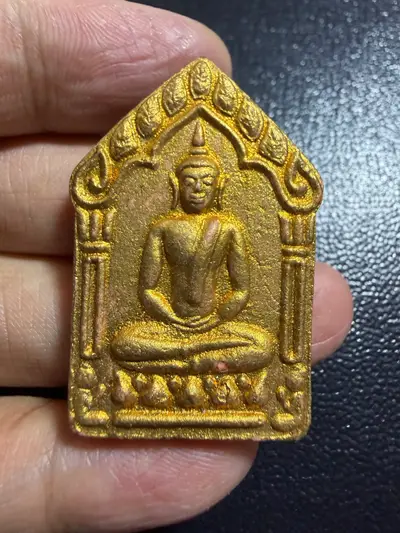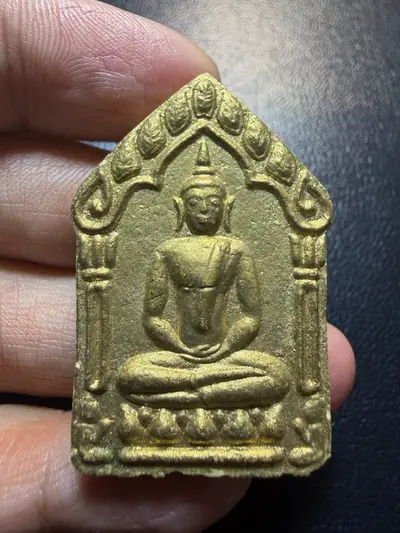
Life of Luang Phor Sakorn
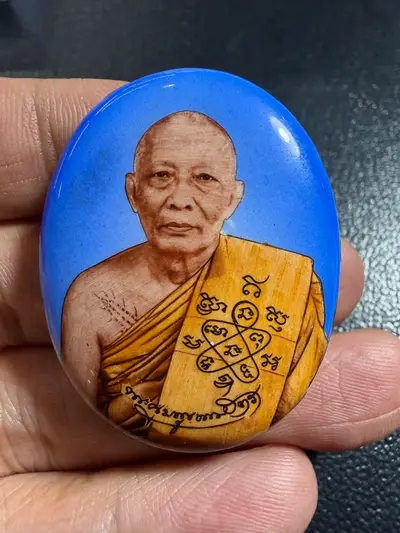
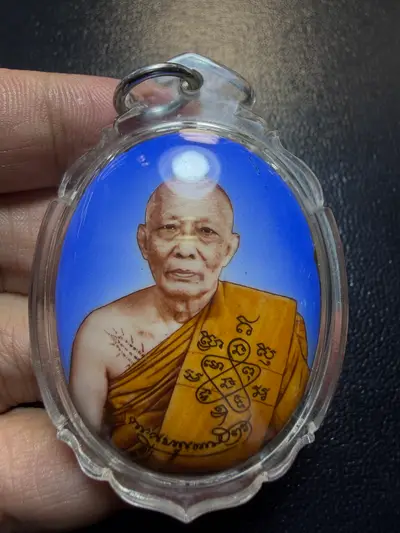
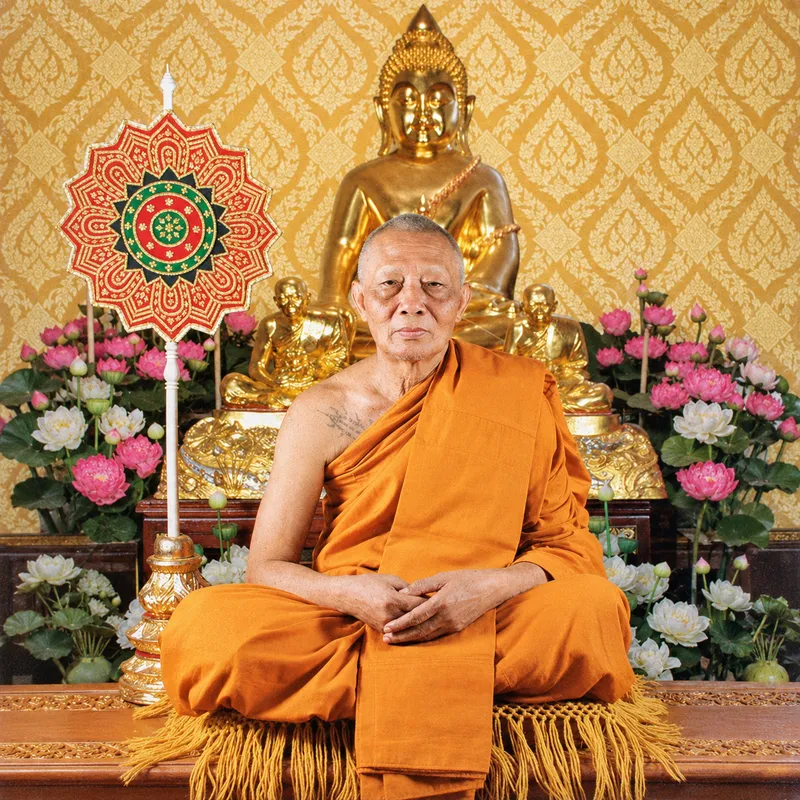
Luang Phor Sakorn Manunyo (Thai: หลวงพ่อสาคร มนุญโญ), who held the ecclesiastical title Phra Khru Manunthammawat (พระครูมนูญธรรมวัตร), was the abbot of Wat Nong Krub (วัดหนองกรับ) in Ban Khai district, Rayong province. He was born Sakorn Phaisali on Tuesday 3 February BE 2481 (1938) into a farming family in Ban Thai Thung, Nong Krub subdistrict.
He was ordained as a monk at Wat Nong Krub on 4 June BE 2501 (1958). His preceptor was Phra Khru Chantharothai, known locally as Luang Phor Ding, and he received the monastic name Manunyo. He then went to nearby Wat Lahan Rai (วัดละหารไร่) to study the monastic discipline and ritual knowledge under Luang Pu Tim Isariko. Thai newspapers routinely describe him as Luang Pu Tim's foremost disciple.
Luang Phor Sakorn died of emphysema in the early hours of 18 September BE 2556 (2013) at Samitivej Srinakarin Hospital in Bangkok, aged 75 and after 55 rains retreats as a monk. His body was returned to Wat Nong Krub the same day; the temple held nine nights of chanting and kept the body for one hundred days so that devotees could pay respects. The abbot of Wat Lahan Rai presided over the funeral arrangements.
Practice and lineage
According to biographies in the Thai press, he was drawn to incantations and traditional herbal medicine from childhood. Luang Pu Tim was his principal teacher. He also studied with Luang Phor Pheng Sasano of Wat Lahan Yai and Luang Pu Hin of Wat Nong Sanom. Reports add that Luang Phor Pheng had once served as an attendant to the Prince of Chumphon and had learned from Luang Pu Suk of Wat Pak Khlong Makham Thao.
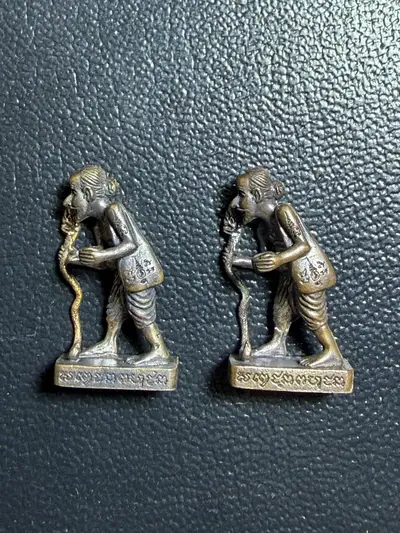
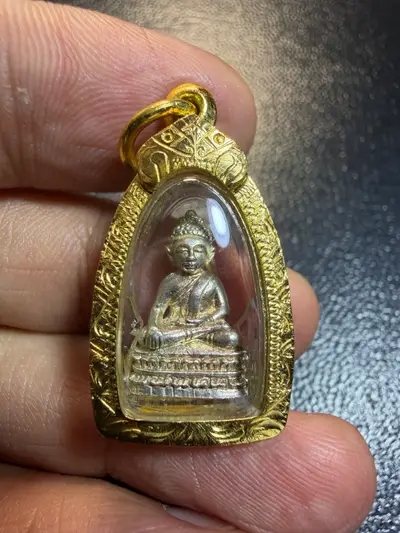
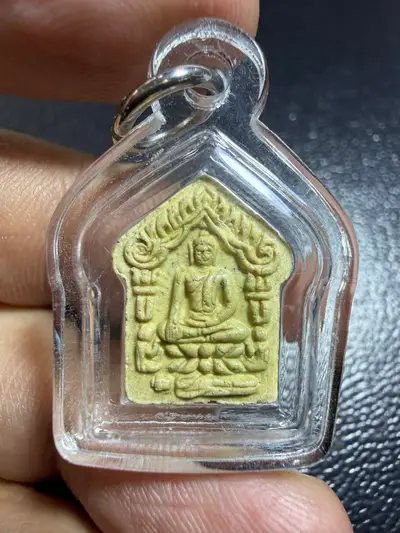
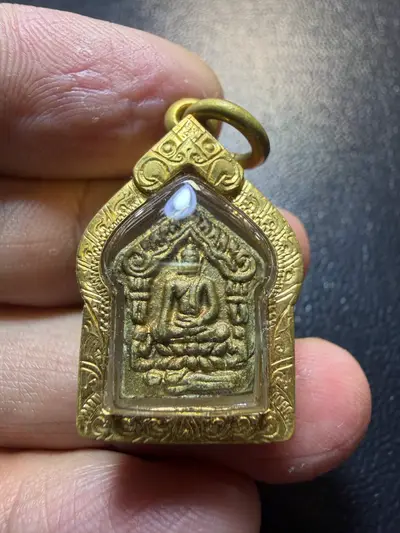
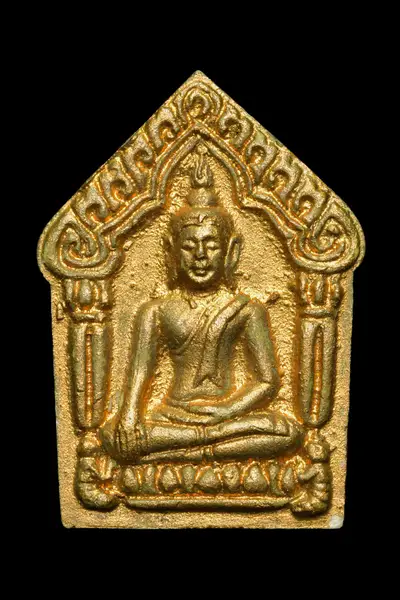
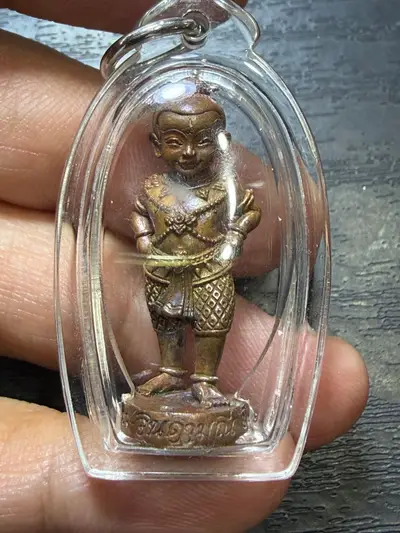
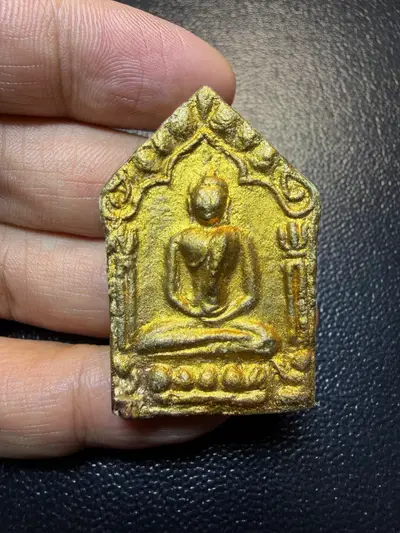
He is best known for Phra Khun Paen. Luang Pu Tim's Khun Paen made with Phong Phrai Kuman powder are highly regarded among Thai collectors, and Luang Phor Sakorn carried on that approach; Thai sources and authentication records usually list his pieces as "ขุนแผนผงพรายกุมาร". He also made portrait coins, Phra Kring images and Chuchok figures. Thai devotees traditionally associate this powder with personal charm; that is folk belief, not a promised result.
Notable batches
- BE 2530 (1987) first-batch Khun Paen: powder, with a takrut set in the back, in large and small moulds. Khaosod's amulet column lists the first-batch large mould among his most sought-after pieces, and later batches are measured against it.
- BE 2530 Phra Kring Chinnabanchon, nicknamed the "Chinese face": a cast metal image and the main example of his early metal work.
- First-batch portrait coin: the reverse carries the five-fold yantra, with "หลวงพ่อสาคร มนุญโญ" on the upper rim and "วัดหนองกรับ ระยอง" on the lower. Khaosod reports it was handed out as a keepsake after the ceremony, so few circulate.
- BE 2538 (1995) Khun Paen: Phong Phrai Kuman powder with a gold takrut, the batch most often cited after the first.
- Khun Paen of the BE 2540s: Khaosod names a gold-takrut batch of BE 2545 (2002). The Thai market and association authentication cards also record batches dated BE 2543 and BE 2546, so rely on the year registered on the card.
- BE 2552 (2009) 71st-birthday portrait coin: issued by Wat Nong Krub together with the printed biography "หลวงพ่อในใจเรา".
- The last pieces he consecrated: according to Khaosod, the Charoen Phon rains-retreat coin, a Phra Kring Chinnabanchon and Phong Phrai Kuman beads.
Collecting notes
Lifetime versus later issues: he died on 18 September BE 2556. Items registered with the year 2556 may have been consecrated before his death or released afterwards, so the ceremony date has to be checked piece by piece. Anything issued by Wat Nong Krub after that is a temple commemorative, not something he consecrated himself.
Not the same as Luang Pu Tim: both teacher and disciple have Phong Phrai Kuman Khun Paen, but they come from different temples, Wat Lahan Rai and Wat Nong Krub, with different dates and moulds. They should not be described interchangeably.
Same name, other temples: more than one Thai monk is called Sakorn, and the market includes Khun Paen registered under temples in other provinces with the monk's name written the same way. Confirm the consecrating monk separately before attributing such a piece to Wat Nong Krub.
Reading the card: the registration should show both "หลวงพ่อสาคร" and "วัดหนองกรับ" (sometimes with จ.ระยอง), along with the year, the mould (พิมพ์ใหญ่ large or พิมพ์เล็ก small) and the material. The takrut in the back may be gold, silver or copper, single or double, and the description should match the piece in hand. For global buyers who cannot visit the temple, the temple name and year on the card are the most direct evidence.