Life of Luang Pu Toh
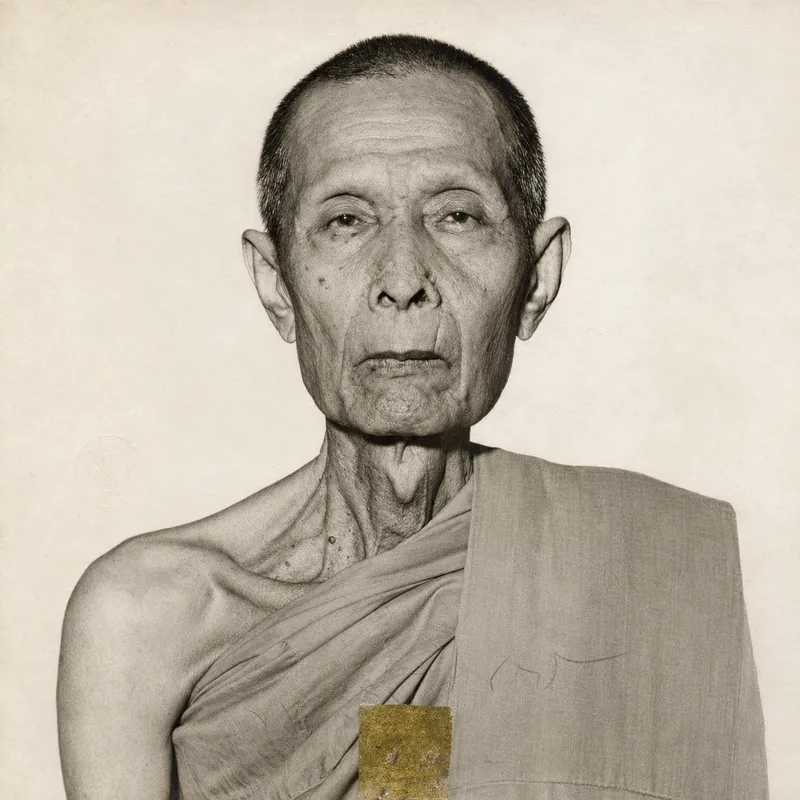
Luang Pu Toh Indasuvanno (Thai: หลวงปู่โต๊ะ อินทสุวัณโณ), whose royal ecclesiastical title was Phra Ratchasangwaraphimon (พระราชสังวราภิมณฑ์), was the long-serving abbot of Wat Pradu Chimphli (วัดประดู่ฉิมพลี) in Bangkok Yai district, Bangkok. He was born on 27 March 1887 at Khlong Bang Noi in Bang Khonthi, Samut Songkhram, the son of Ploi and Thap Rattanakhon. Thai sources give the birth year as either BE 2429 or BE 2430; the difference comes from the old Thai calendar, which changed year in April, and both correspond to 1887.
After his mother died, a relative who was a monk brought him to Bangkok at the age of 13 and placed him with Abbot Suk of Wat Pradu Chimphli. According to Thai Wikipedia he became a novice in BE 2447 (1904). He was ordained as a monk at Wat Pradu Chimphli in BE 2450 (1907); his preceptor was Phra Khru Samanatham Samathan (Saeng) of Wat Paknam, and he received the name Indasuvanno.
Thai Wikipedia records that he became abbot in BE 2456 (1913) and held the post for the rest of his life. He was made Phra Khru Wiriyakitti in BE 2463 and Phra Ratchasangwaraphimon in BE 2521 (1978). He died on 5 March BE 2524 (1981) after 73 rains retreats. Thai Wikipedia gives his age as 93 and Khaosod as 94, a difference in how age is counted.
Practice and lineage
Luang Pu Toh was known above all as a meditation monk. According to Khaosod and Thai Wikipedia he studied scripture and insight meditation with Phra Ajahn Phrom at his own temple and meditation with Luang Phor Chum of Wat Ratchasittharam. For ritual knowledge he went to Luang Phor Rung of Wat Tha Krabue in Samut Sakhon, from whom he received the Tri Nisinghe yantra, and he also learned from Luang Pu Iam of Wat Nang. The Tri Nisinghe yantra became the mark most often seen on the back of his amulets.
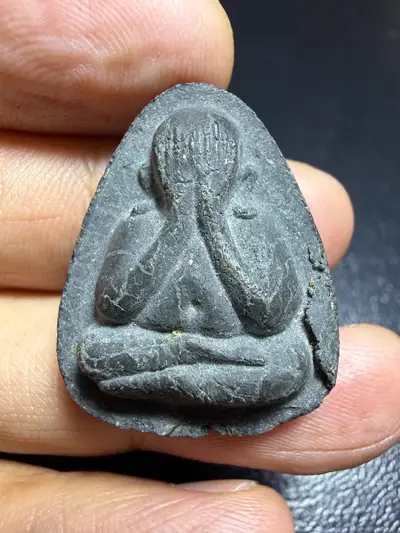
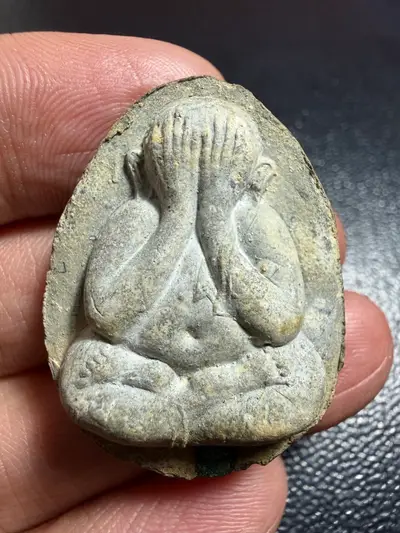
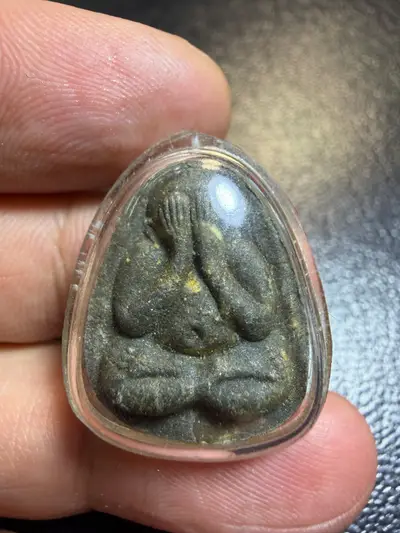
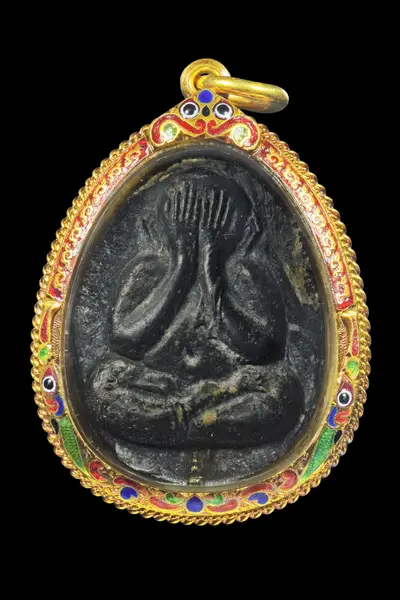
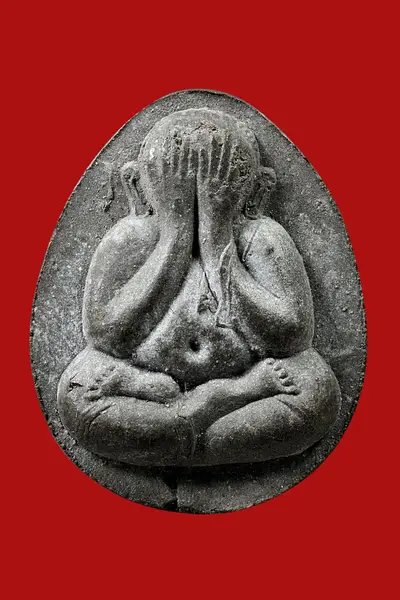
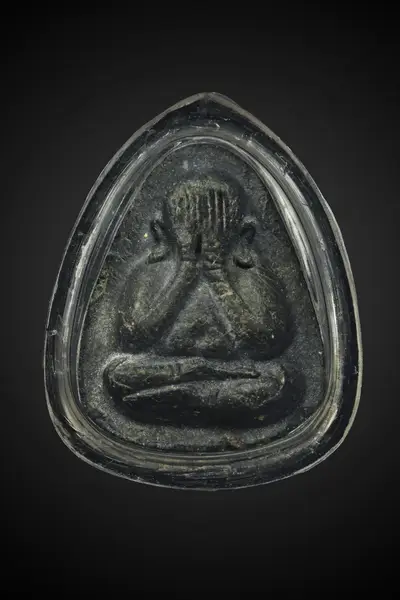
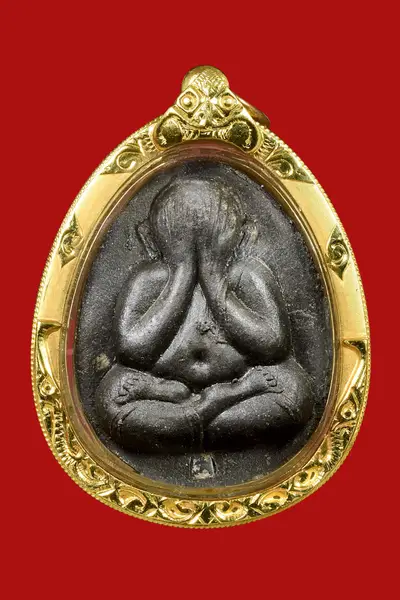
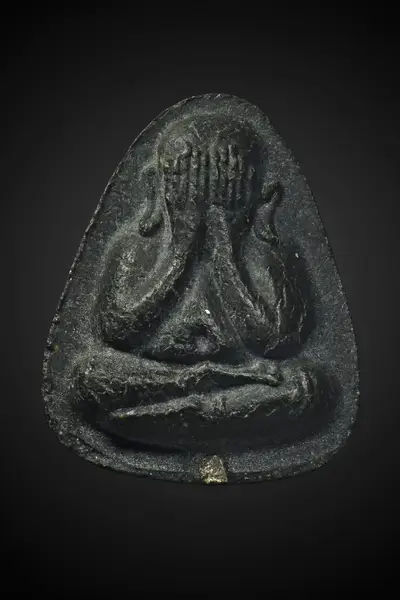
Khaosod reports that he began making amulets in BE 2468 (1925), first in powder and later as coins and Phra Kring. He is best known for Phra Pidta, the Buddha covering his eyes. The English Wikipedia article on Wat Pradu Chimphli notes that King Bhumibol (Rama IX) was among those who held him in high regard.
Notable batches
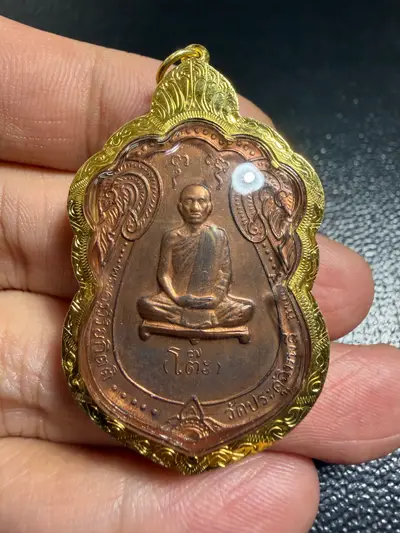
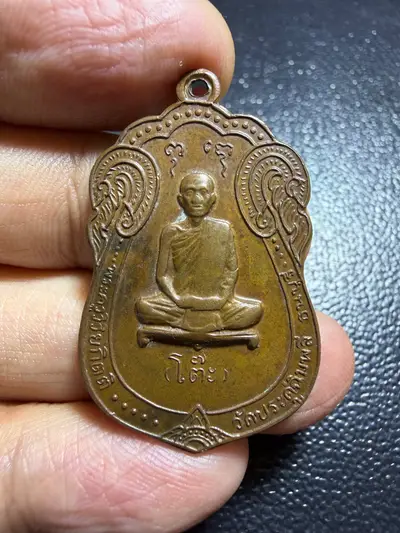
- BE 2510 (1967) first portrait coin: according to Thai amulet-market references, struck for his 80th year, with a seated portrait on the front and the Tri Nisinghe yantra on the back, in gold, silver, copper and nawaloha.
- BE 2512 (1969) large round coin: inscribed "พระครูวิริยกิตติ (หลวงปู่โต๊ะ)" and "พุทธศักราช ๒๕๑๒", with no loop. Khaosod says it was made only for distribution to disciples, in a run of 2,512 to match the year.
- BE 2518 (1975) Pidta "Maha Sanae": the back reads "หลวงปู่โต๊ะ วัดประดู่ฉิมพลี". Thairath reports that it was pressed at Wat Mai Amataros and then brought to Wat Pradu Chimphli for consecration.
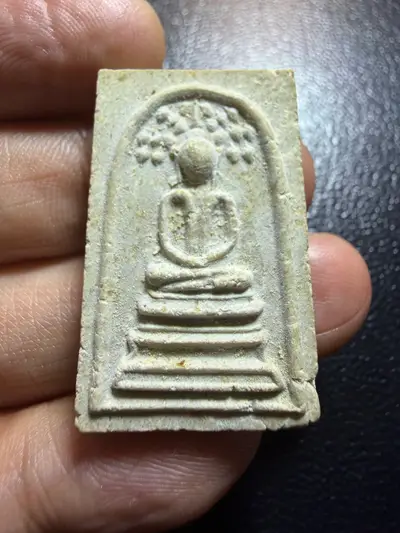
- BE 2520 (1977) Pidta Jumbo, first batch: made for his 90th year and larger than the other batches. Thairath records 1,272 pieces in palm-leaf powder, 57 in pollen powder and 16 in Somdej powder, which makes it one of the few batches with documented numbers.
- BE 2521 (1978) Pidta "Ngoen Lan" (one million): named after the one million baht raised for the temple restoration that year, in pollen and palm-leaf powder.
- BE 2521 to 2523 Pidta "Plot Ni" (clearing debts): according to Thairath, consecrated over three years, with two back moulds, the Na Maha Setthi yantra and the Tri Nisinghe yantra. The name comes from a blessing he often gave: may you be free of all debt.
Collecting notes
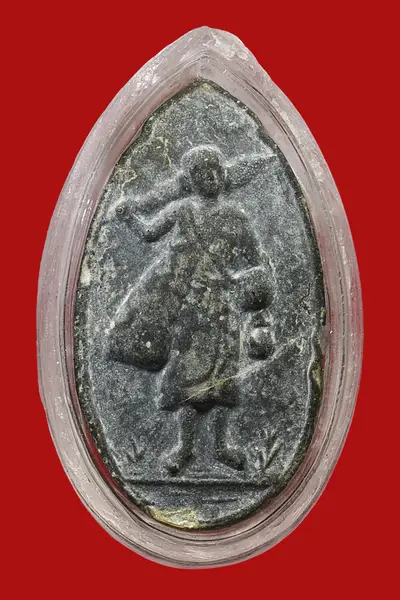
Lifetime versus later issues: he died on 5 March BE 2524, and the BE 2521 to 2523 pieces were his last large powder batch. His own temple and others have continued to issue commemorative and retro pieces using his portrait or the "Luang Pu Toh mould"; Wat Tham Singto Thong in Ratchaburi, for example, has held consecrations on the anniversary of his death. None of these were consecrated by him and they should be kept apart from lifetime batches.
Similar names: he is not Somdej Toh (สมเด็จพระพุฒาจารย์ โต พรหมรังสี) of Wat Rakhang, who lived in the nineteenth century; the Thai spellings differ, โต๊ะ and โต. Look for the temple name วัดประดู่ฉิมพลี.
Batch and mould names: Jumbo first batch means the BE 2520 pieces. The large mould that the market calls Jumbo 2 is registered to BE 2521 to 2523 and is a different batch. Within one batch, palm-leaf powder (ผงใบลาน) and pollen powder (ผงเกสร) were made in very different numbers.
Reading the card: the registration should show "หลวงปู่โต๊ะ" and "วัดประดู่ฉิมพลี" and state the mould, material and back yantra. Global buyers should first check that these match the piece, then that the year falls before BE 2524.